Technical Guide articles
Practical answers for design engineers and sourcing teams—from early DFM decisions to tooling, validation, and production readiness.
Use this library to
Compare options, identify manufacturing risk, and prepare a more useful supplier review.
Featured
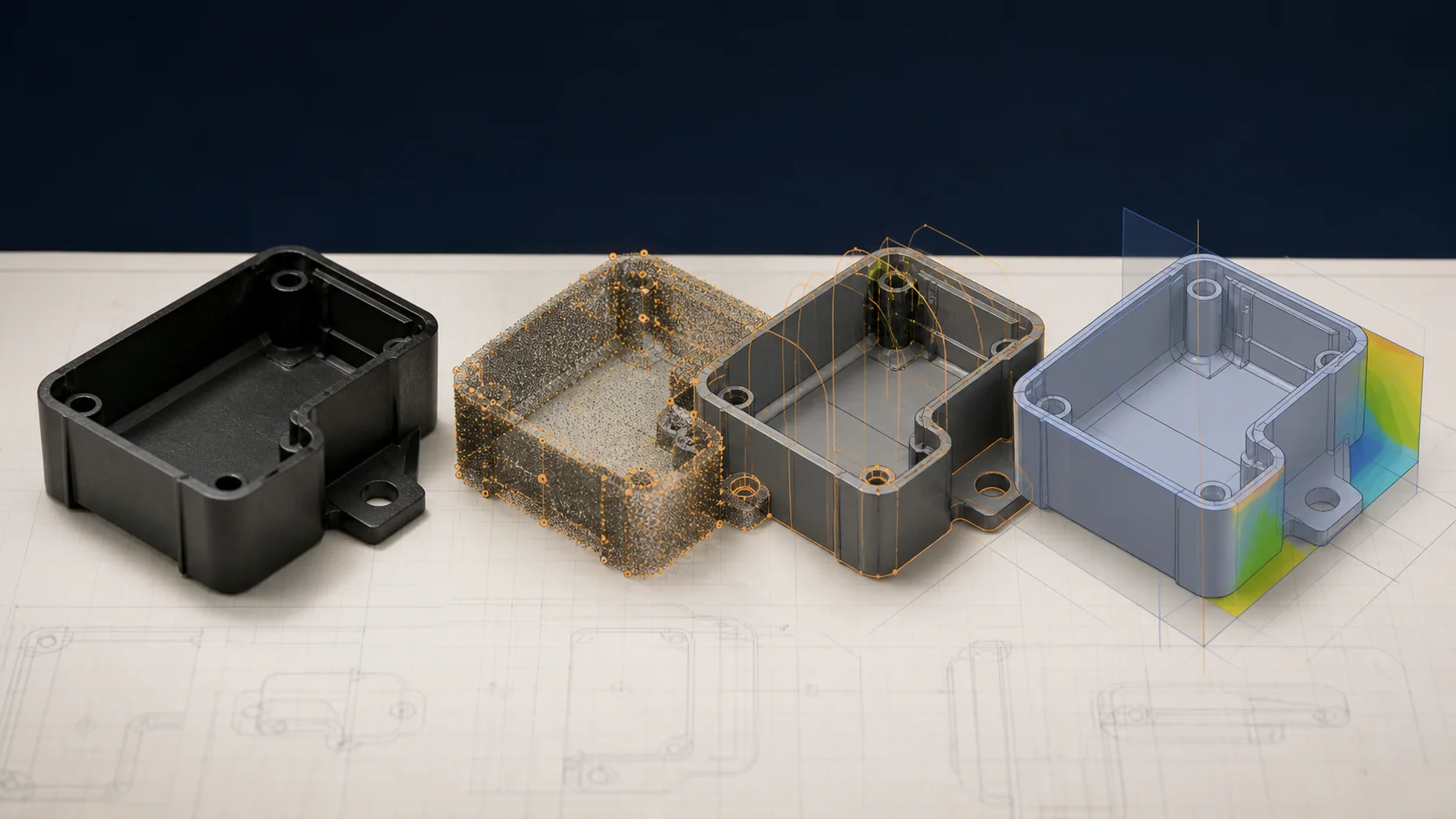
Reverse Engineering a Plastic Part: From Physical Sample to STEP File and Injection Molding
Learn how a physical plastic part becomes controlled 3D CAD and a STEP file, what must be measured, and how DFM prepares the reconstructed model for injection molding.
Use this guide when: a physical plastic part exists but controlled CAD, drawings, or production records are missing.
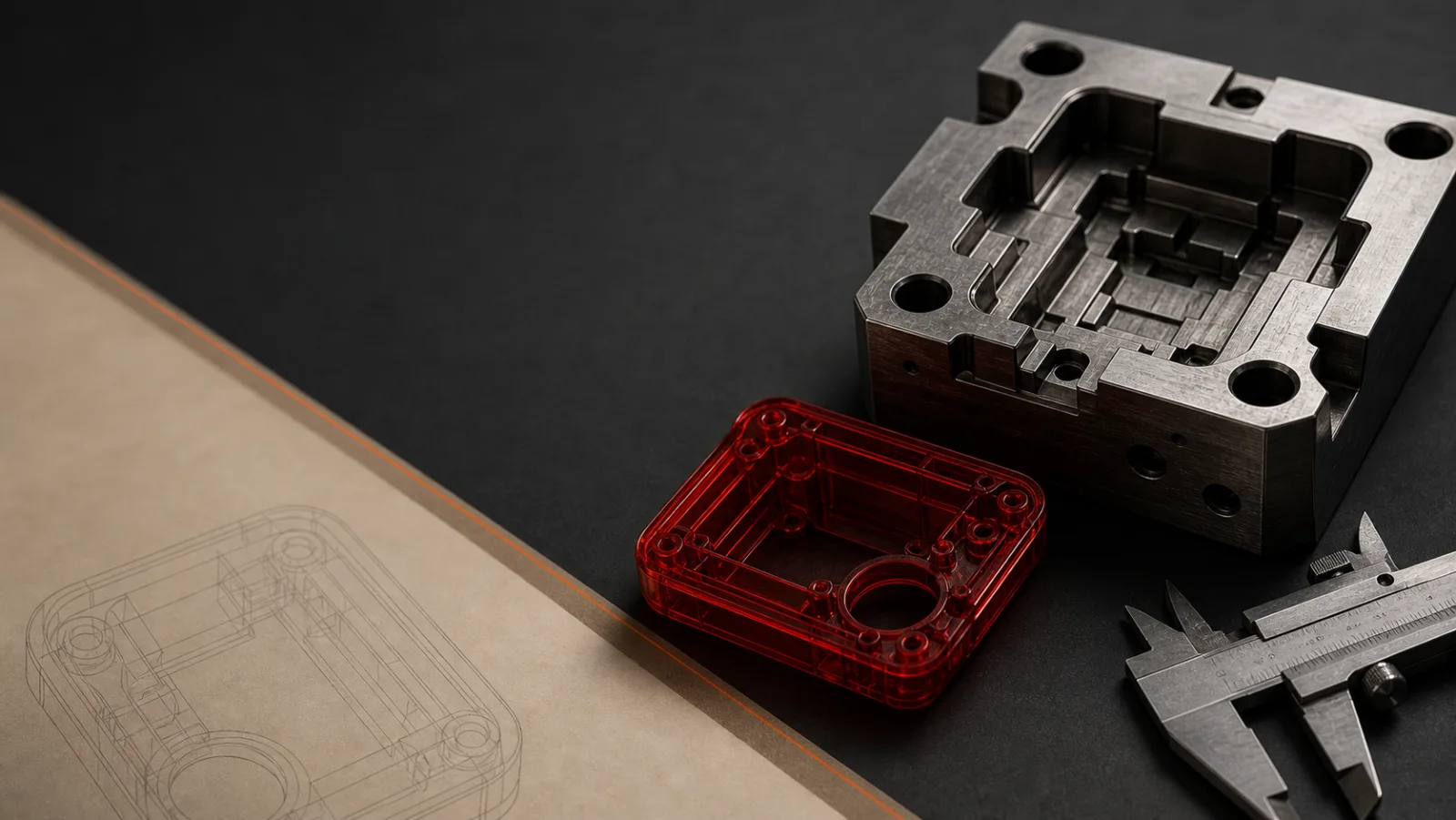
What Is Plastic Injection Molding? Process, Tooling, and Production Guide
Understand how plastic injection molding works and which material, DFM, tooling, process, and quality decisions shape a production program.
Use this guide when: you need to decide whether injection molding fits your part and which inputs must be resolved before tooling.
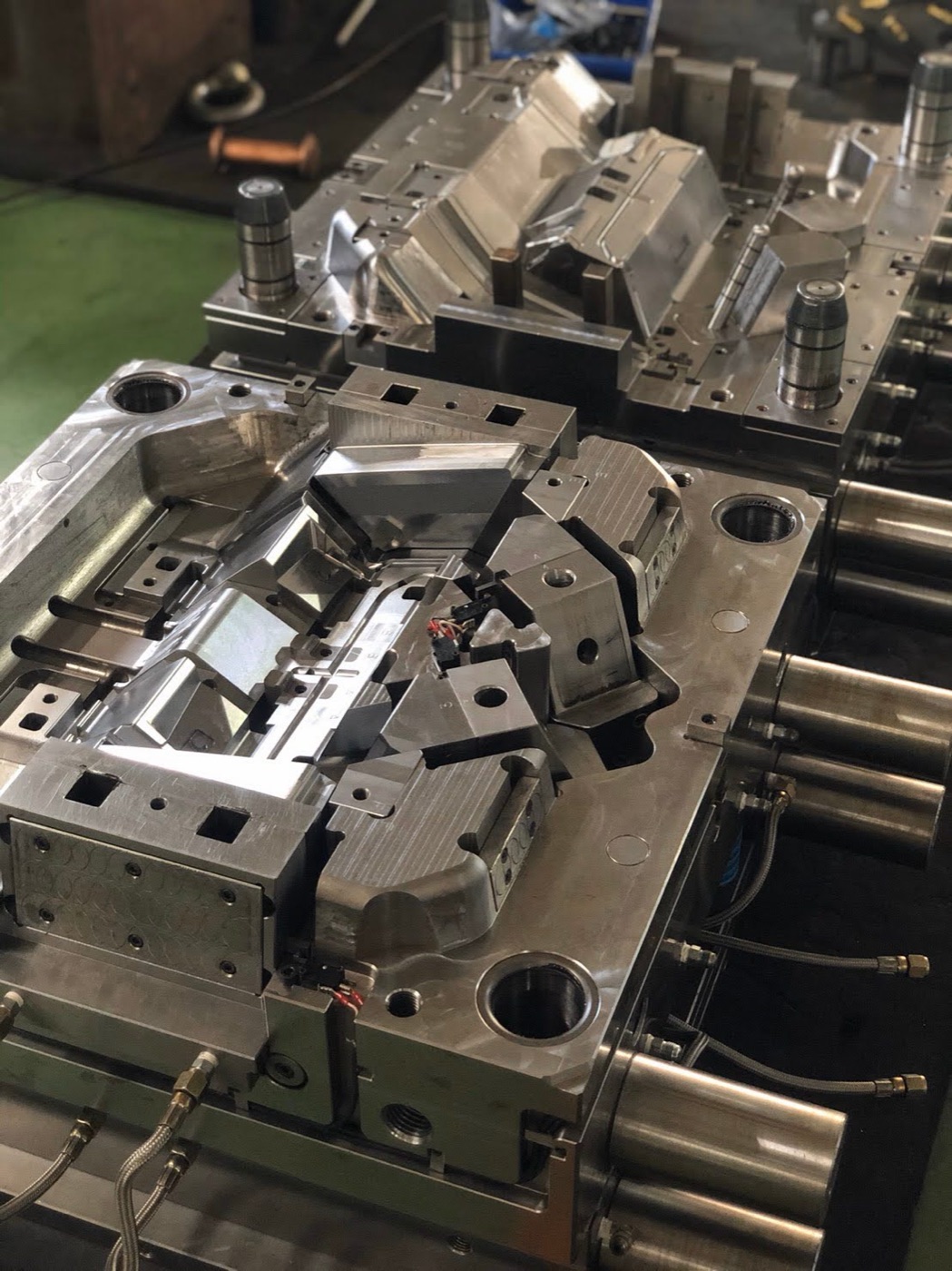
Plastic Injection Mold Manufacturing Guide: 6 Keys for Business Success
Plan injection mold manufacturing around part requirements, tool architecture, material, production demand, trials, maintenance, ownership, and approval evidence.
All articles
Threaded Metal Inserts in Plastic Parts: Molded-In vs Heat-Set vs Ultrasonic
Compare molded-in, heat-set, and ultrasonic threaded inserts by assembly method, part design, production demand, and verification needs.
Draft Angle Design for Injection Molding: How Much Taper Your Part Needs
Understand how draft, draw depth, texture, resin, and ejection strategy work together when preparing an injection-molded part for tooling.
Designing Snap-Fits and Living Hinges for Injection-Molded Parts
Design snap-fits and living hinges around material behavior, strain, gate location, mold release, and the assembly test that the part must pass.
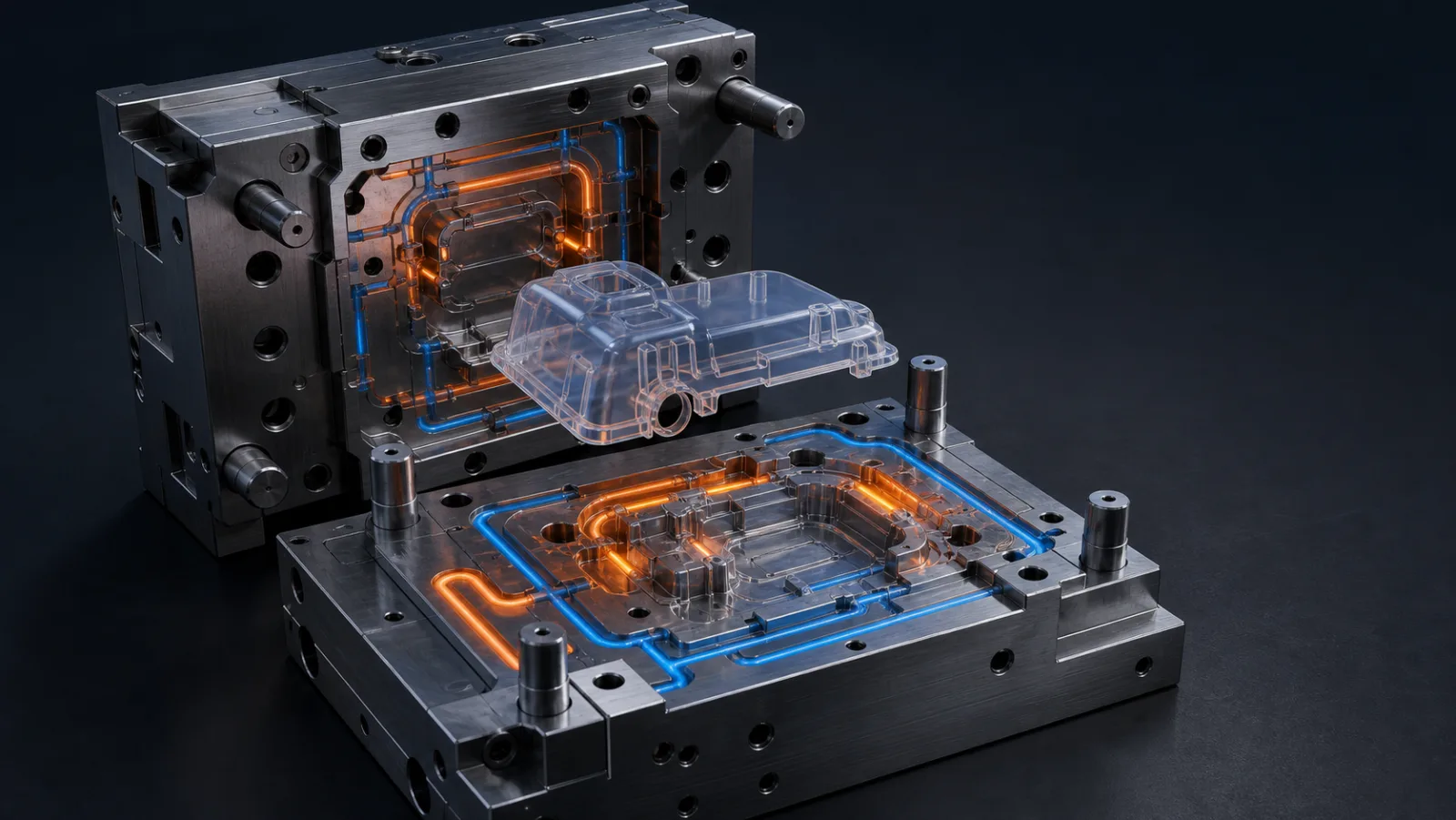
Conformal Cooling Channels in Injection Molds: Design Guide, Cycle Time Gains & ROI
Evaluate conformal cooling where conventional drilled circuits cannot follow cavity geometry or control local heat effectively.
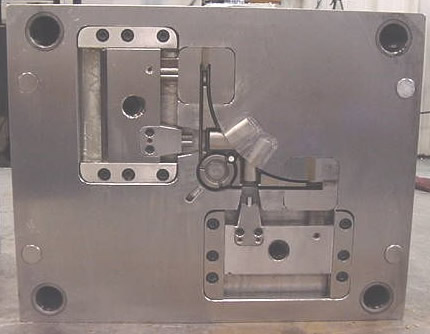
Injection Mold Preventive Maintenance: The Complete PM Program Guide
Build mold maintenance around tool design, resin, wear points, observed condition, shot and time history, defects, cleaning, spares, and production risk.
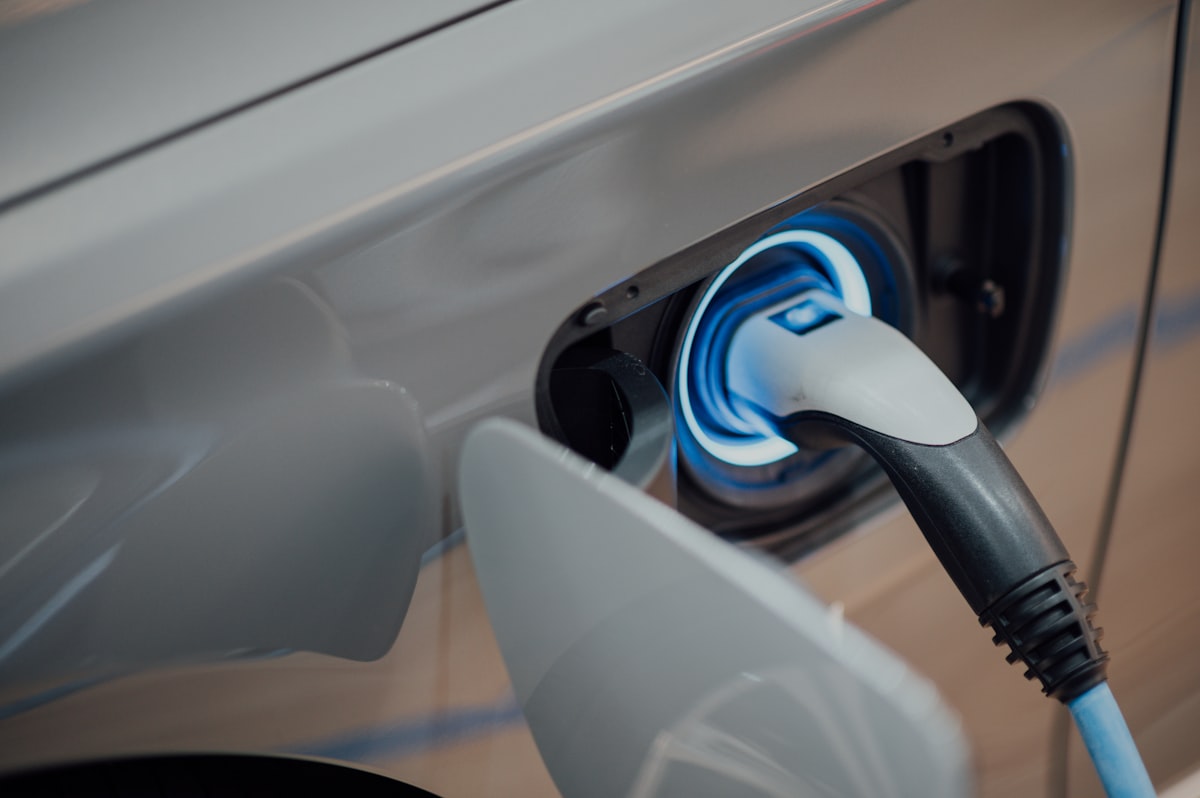
EV Battery Housing and Structural Plastic Parts: The Injection Molding Engineer's Guide to Electric Vehicle Components
Evaluate molded EV battery and electrical components from the specific part function, material, fire and electrical requirements, inserts, tooling, traceability, and automotive qualification scope.
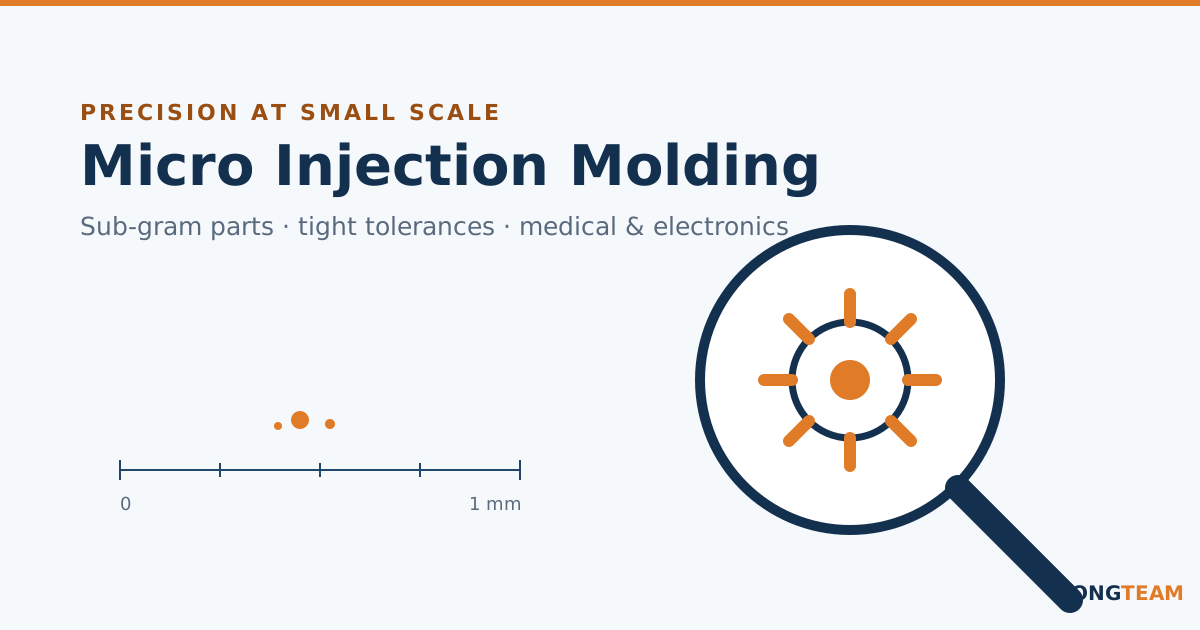
Micro Injection Molding: Applications, Tolerances, and Supplier Qualification Guide
Qualify micro injection molding through part mass and feature scale, resin handling, tool construction, machine control, metrology, handling, environment, and production evidence.
Medical Grade Injection Molding: ISO 13485 Supplier Guide
Qualify medical injection molding by defining device requirements, ISO 13485 scope, material evidence, contamination controls, validation, traceability, and change control.
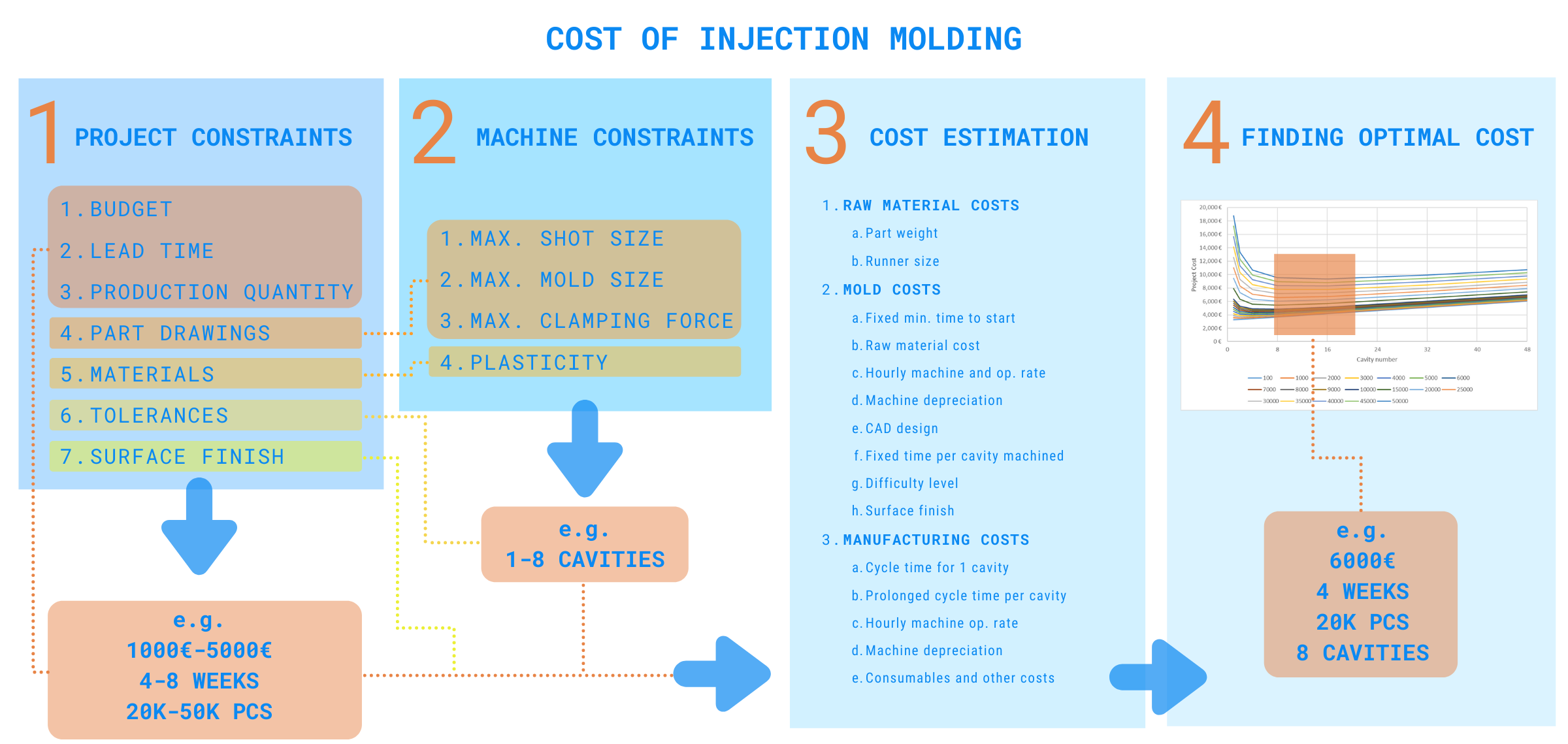
Injection Molding Cost Breakdown: Tooling, Per-Unit Pricing, and the Volume Crossover Point
Build an injection-molding cost model from tooling scope, resin, cycle assumptions, cavity output, labor, inspection, secondary operations, packaging, logistics, maintenance, and demand scenarios.
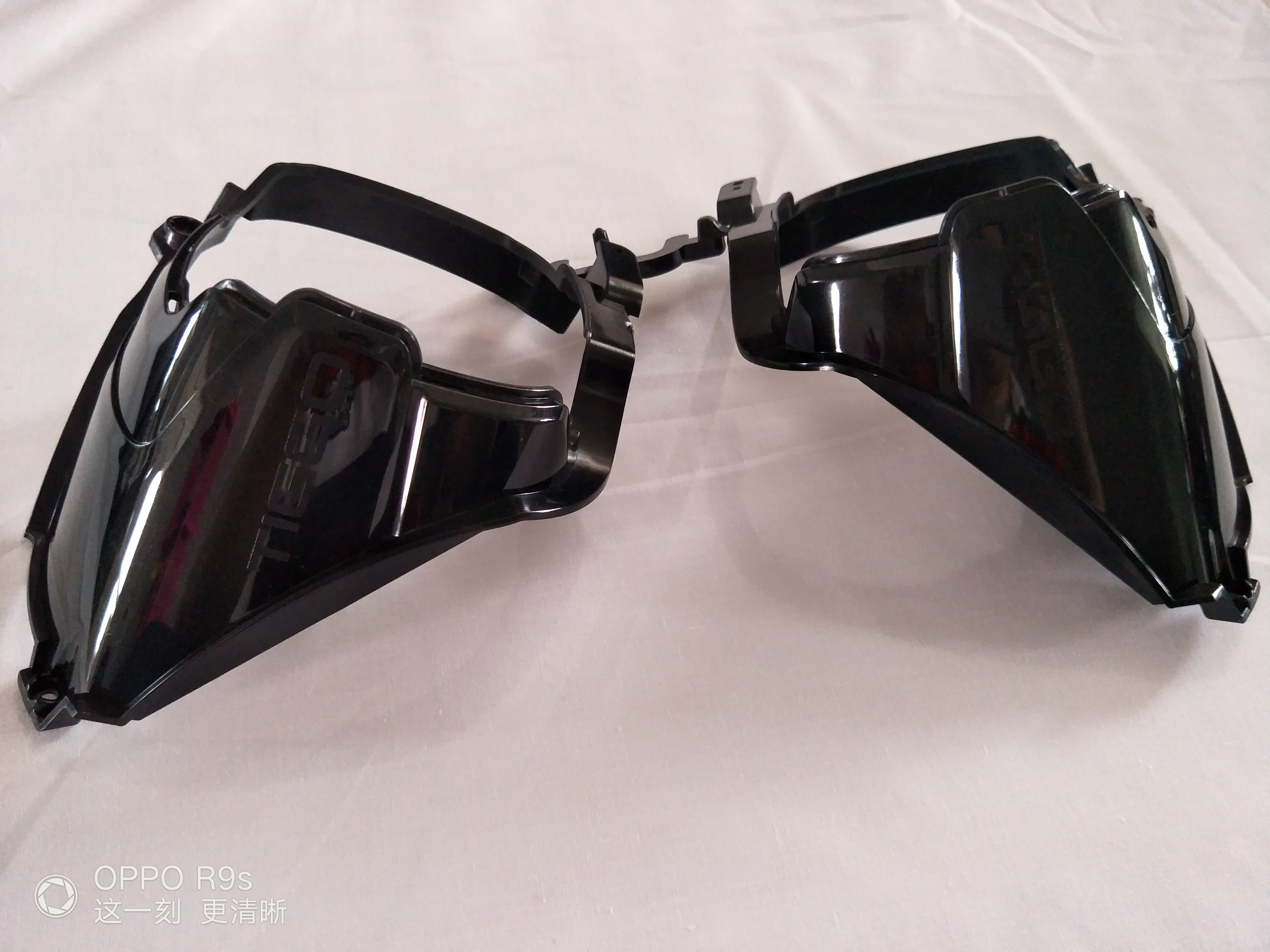
Multi-Cavity vs. Family Mold Design: Choosing the Right Tooling Strategy for High-Volume Production
Choose multi-cavity, family, or separate molds by comparing part mix, demand balance, fill and cooling behavior, quality risk, scheduling, maintenance, and total program cost.
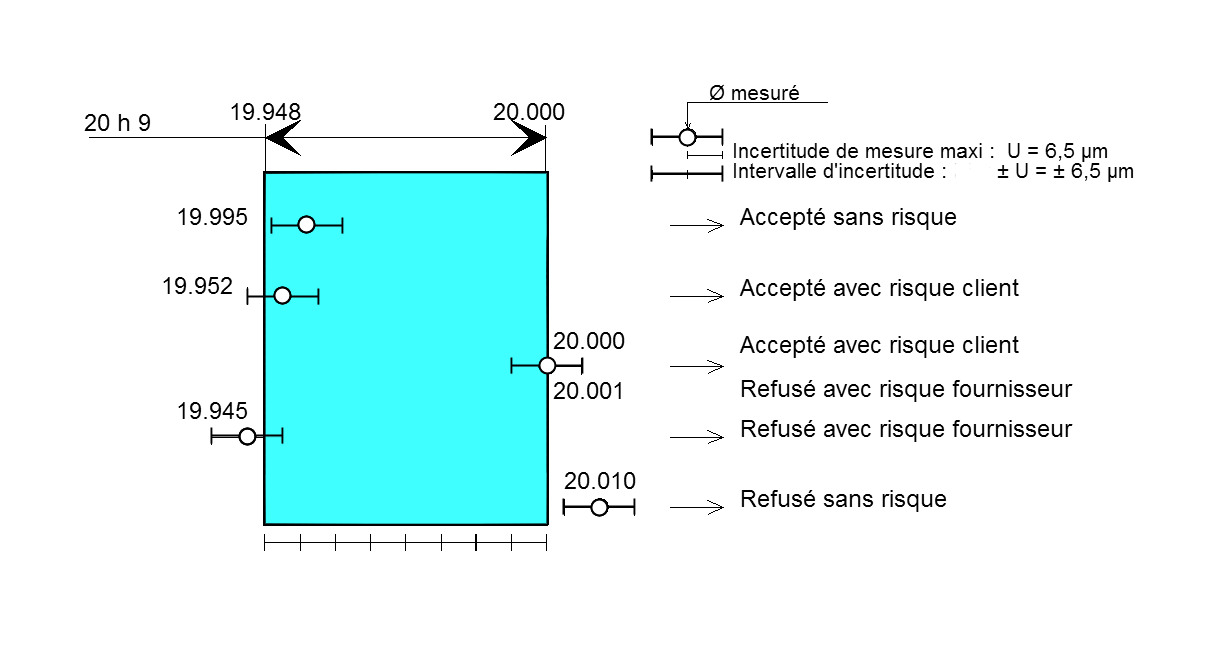
First Article Inspection (FAI) for Injection Molded Parts: OEM Buyer's Complete Guide
Use first article inspection to compare initial production-representative parts with the controlled drawing and agreed requirements before routine production approval.
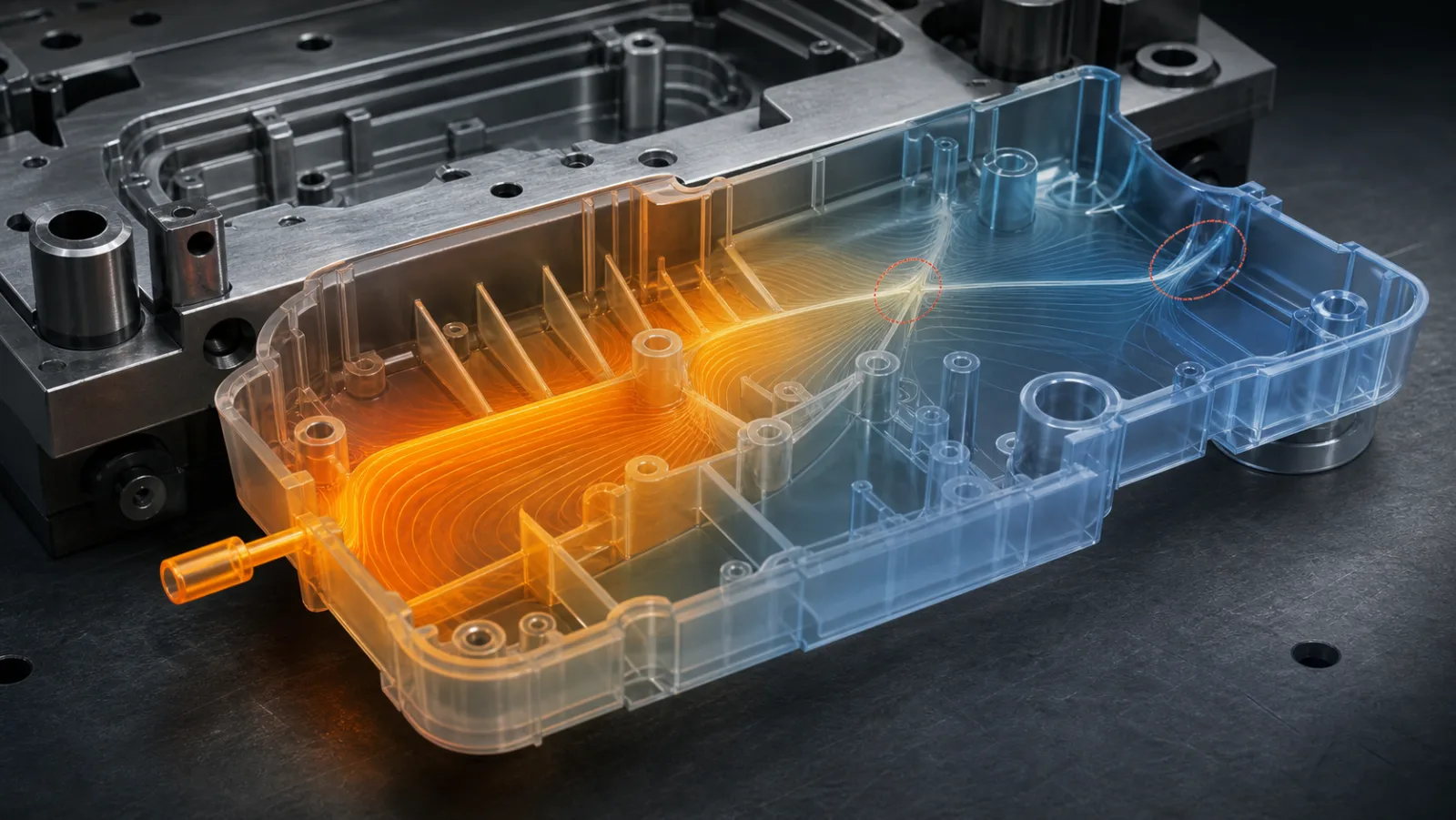
Mold Flow Analysis Guide: Predict Warpage, Weld Lines & Fills Before Cutting Steel
Use mold-flow simulation to compare design and tooling choices, then verify predictions during trials with the actual resin, mold, machine, and process.
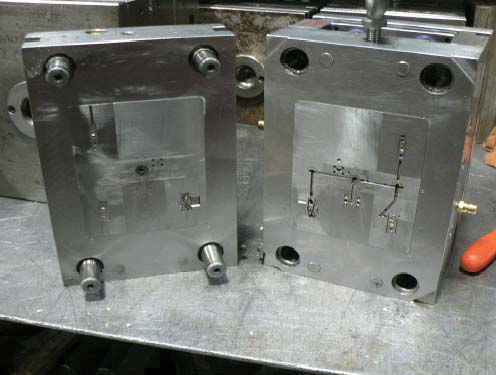
Injection Molding Side Actions: Sliders, Lifters, and How to Design Parts with Undercuts
Use sliders, lifters, inserts, collapsible cores, or design changes when a feature cannot release in the primary mold-opening direction.

Injection Molding Shrinkage and Warpage: Engineering Guide to Prediction and Control
Control shrinkage and warpage by connecting resin behavior, fiber orientation, wall geometry, gates, packing, cooling, ejection, conditioning, and measurement.
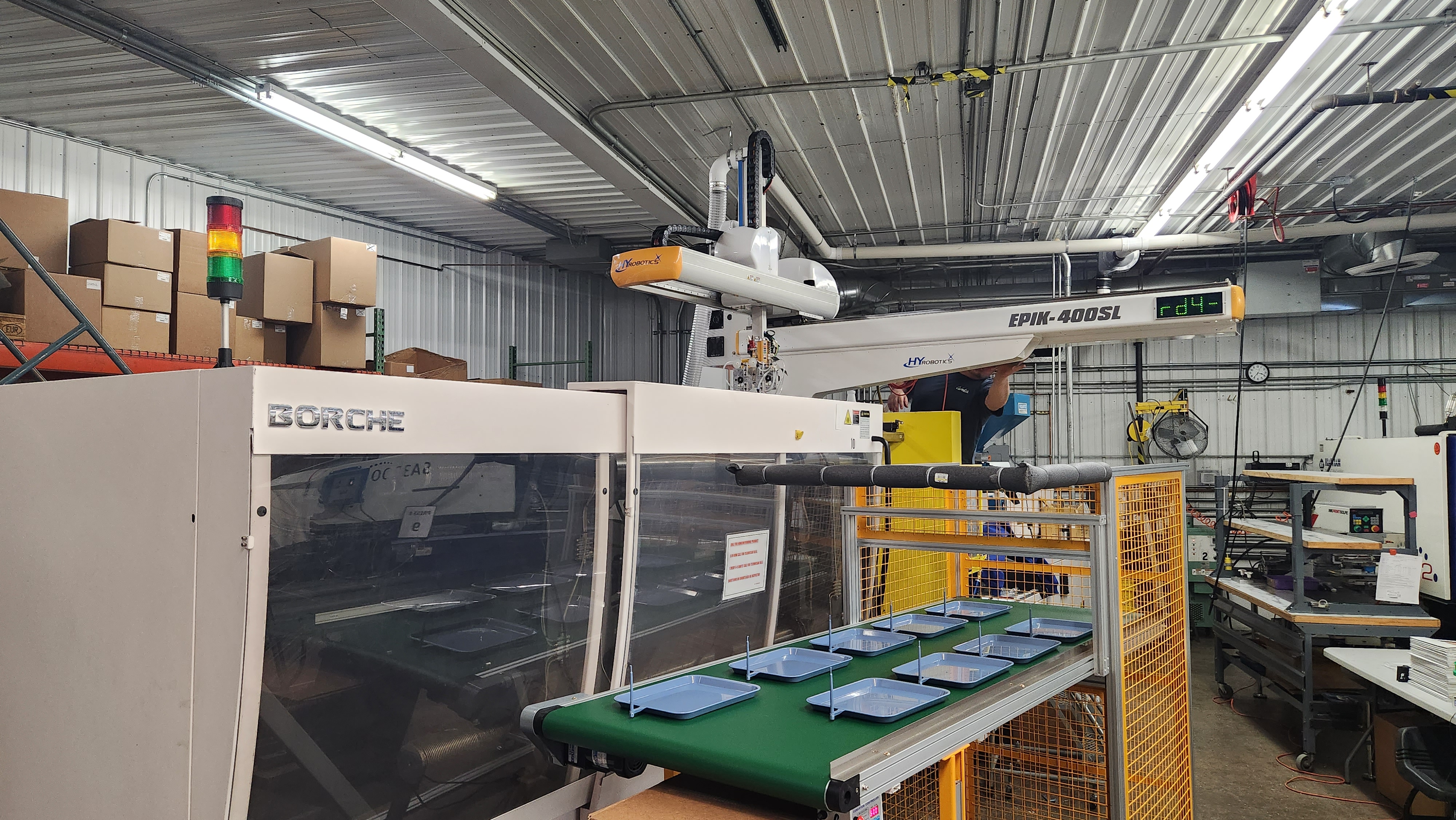
All-Electric vs. Hydraulic vs. Hybrid Injection Molding Machines: How Machine Type Affects Part Quality, Energy Cost, and Supplier Selection
Compare electric, hydraulic, and hybrid molding machines by the part, tool, process, environment, energy data, maintenance, and supplier controls required for the program.
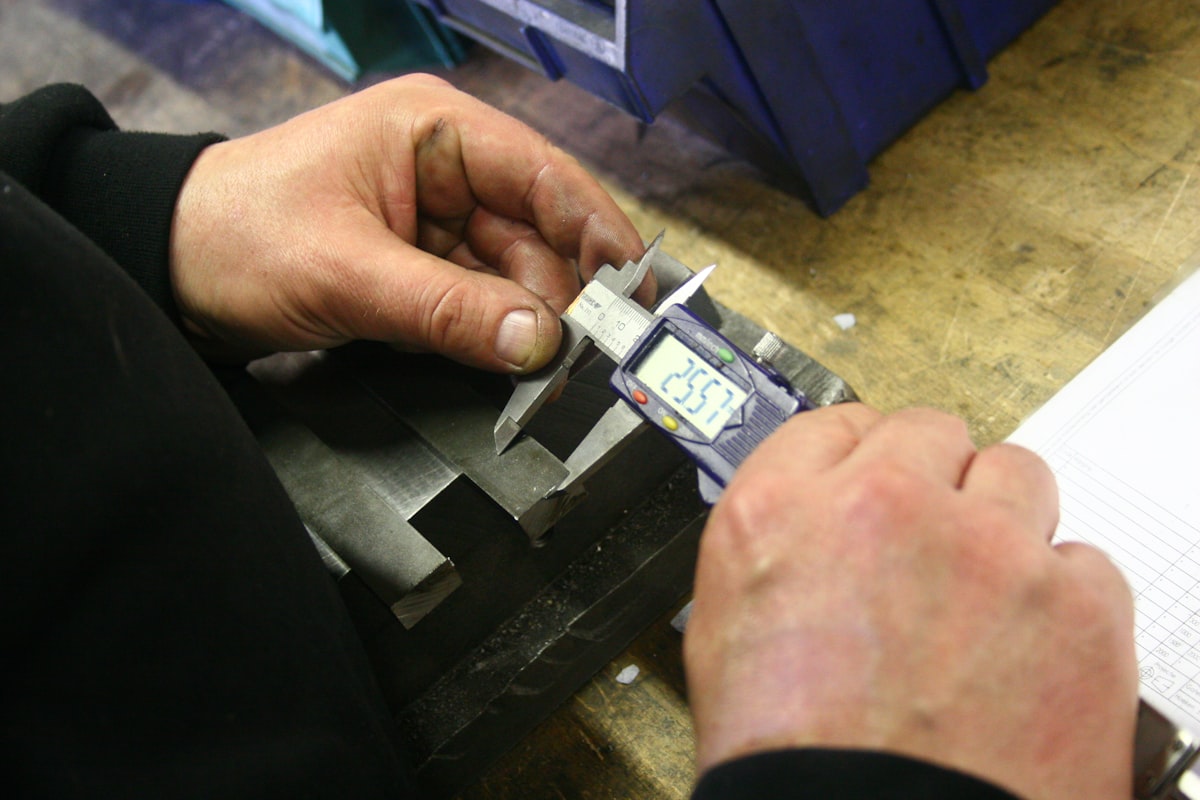
Injection Molding Tolerances: Standard vs. Tight, ISO 20457, and What Drives Dimensional Accuracy
Specify molded-part tolerances from function, material, geometry, tool, process, measurement method, and assembly—not a single universal precision number.
Injection Mold Cooling System Design: Conformal Cooling, Baffles, and How Channel Layout Drives Cycle Time and Part Quality
Design mold cooling around heat removal, part geometry, material, cavity layout, flow, temperature balance, maintenance, and the dimensional results required from the part.
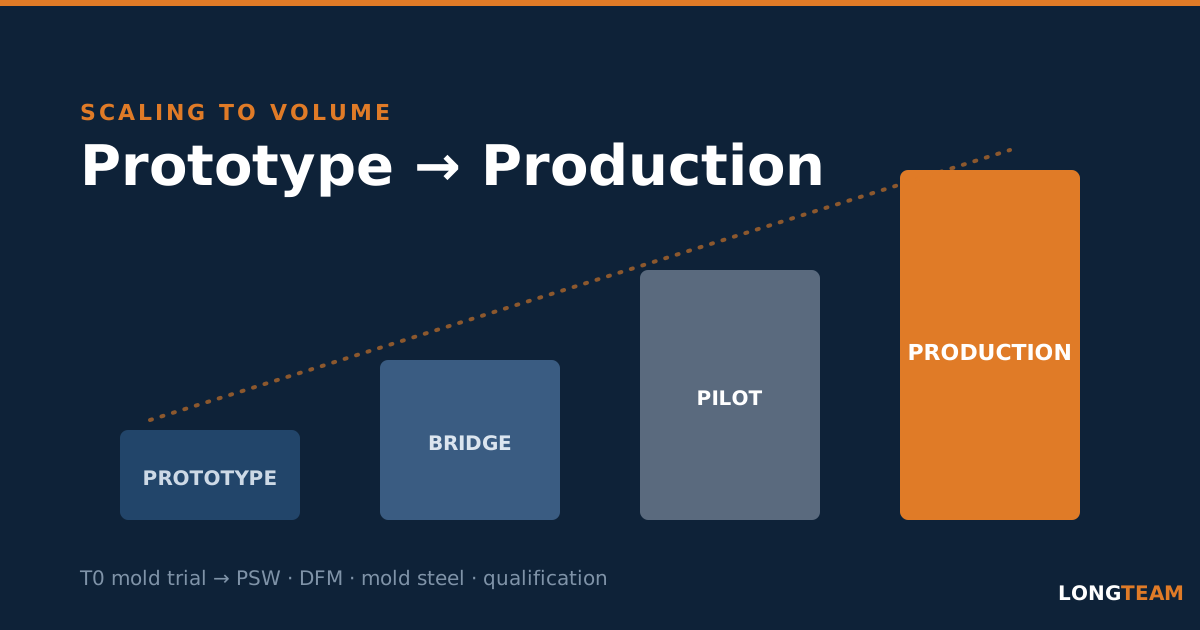
Scaling Injection Molded Parts from Prototype to High-Volume Production: Tooling, DFM, and Process Qualification
Move from prototype to production by controlling design maturity, material equivalence, tooling stages, acceptance evidence, and what each build is intended to prove.

Injection Molding Cycle Time Reduction: The 5 Engineering Levers That Cut Piece Price
Reduce molding cycle time by identifying the actual constraint in fill, pack, cool, mold movement, ejection, handling, or downstream work while protecting part quality.

PPAP and APQP for Injection Molded Parts: What Automotive OEMs Need to Know
Plan APQP and PPAP scope for injection-molded automotive parts by aligning customer requirements, tooling evidence, process controls, and submission timing.
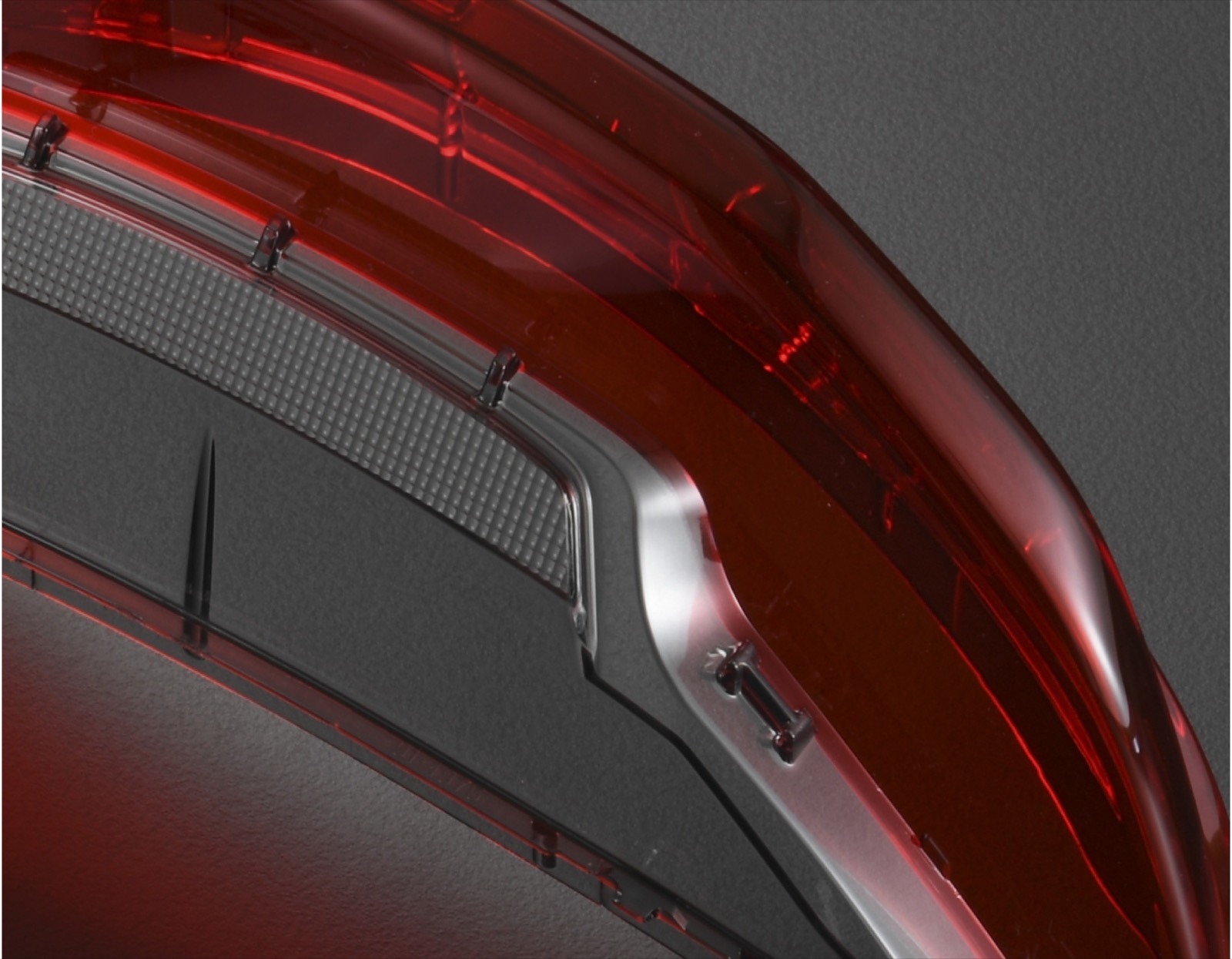
Two-Shot (2K) Injection Molding: How Multi-Material Molding Eliminates Assembly
Evaluate two-shot molding by material compatibility, interface design, mold sequence, production demand, and the qualification evidence required for the bonded part.
Metal-to-Plastic Conversion: Engineering Guide for OEMs Replacing Metal Parts with Injection-Molded Plastic
Evaluate a metal-to-plastic conversion through load cases, material behavior, molded geometry, tooling investment, and production validation.
Injection Molding Gate Types: A Practical Design Guide for Engineers
Choose an injection-mold gate by connecting fill behavior, gate vestige, weld lines, packing, appearance, automation, and tool construction.
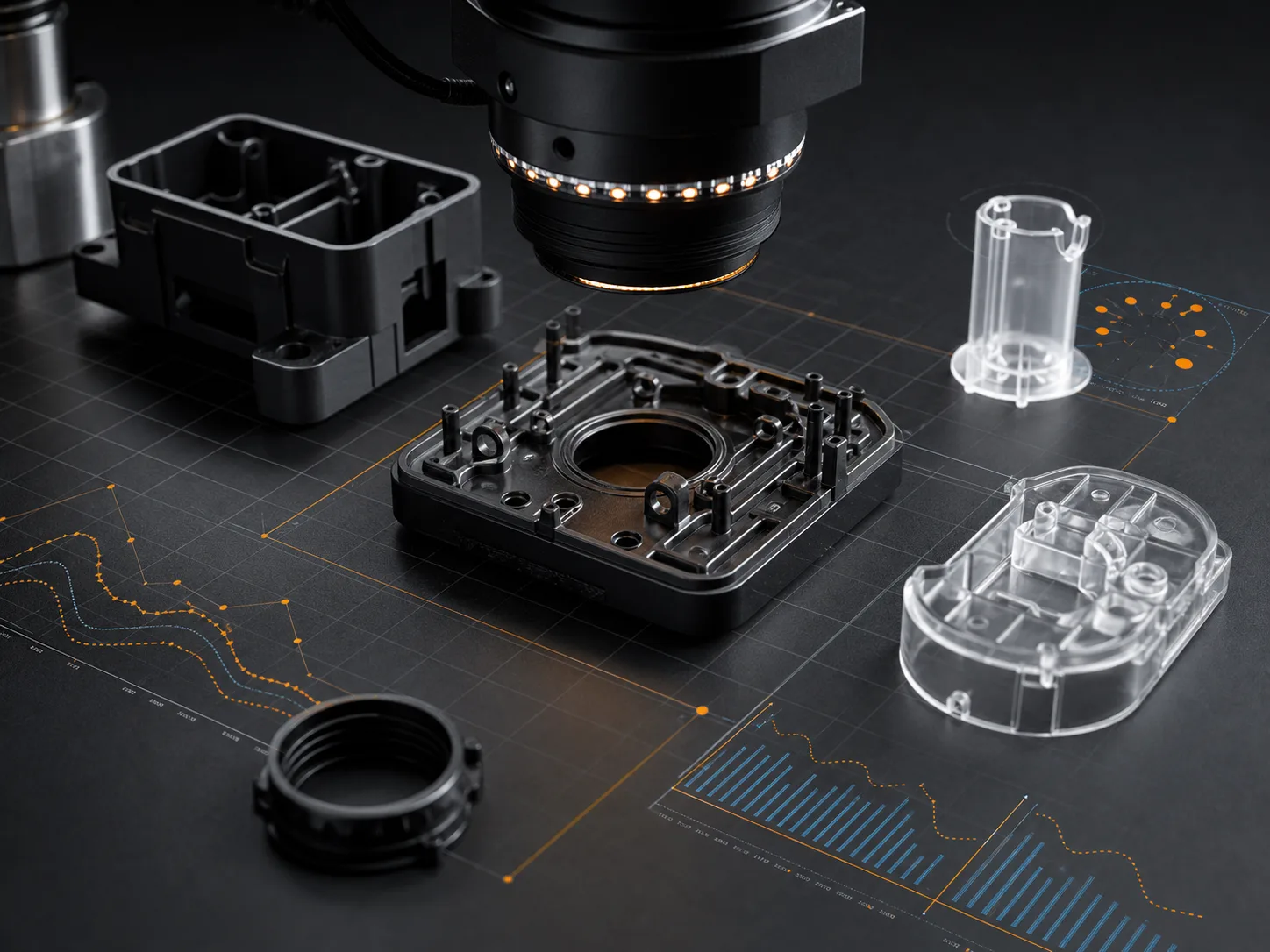
Scientific Molding: How Data-Driven Process Control Delivers Consistent Part Quality
Use scientific molding to define a repeatable process window, connect machine settings to cavity behavior, and retain evidence for production control.
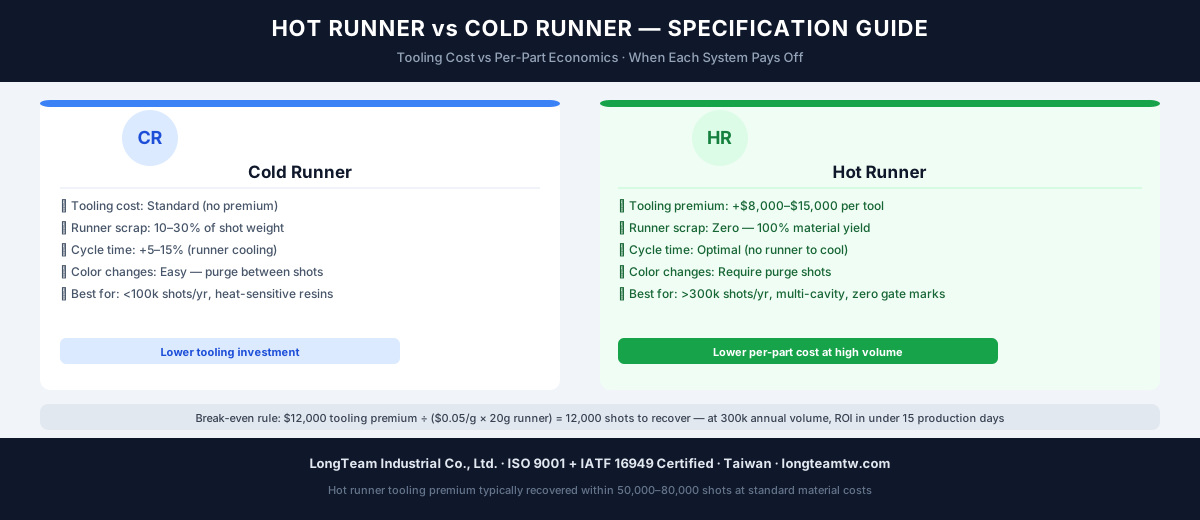
Hot Runner vs Cold Runner Systems: How to Choose the Right Mold Runner for Your Part
Compare hot-runner and cold-runner molds using resin behavior, part quality, runner waste, color changes, maintenance, cavity count, and production demand.
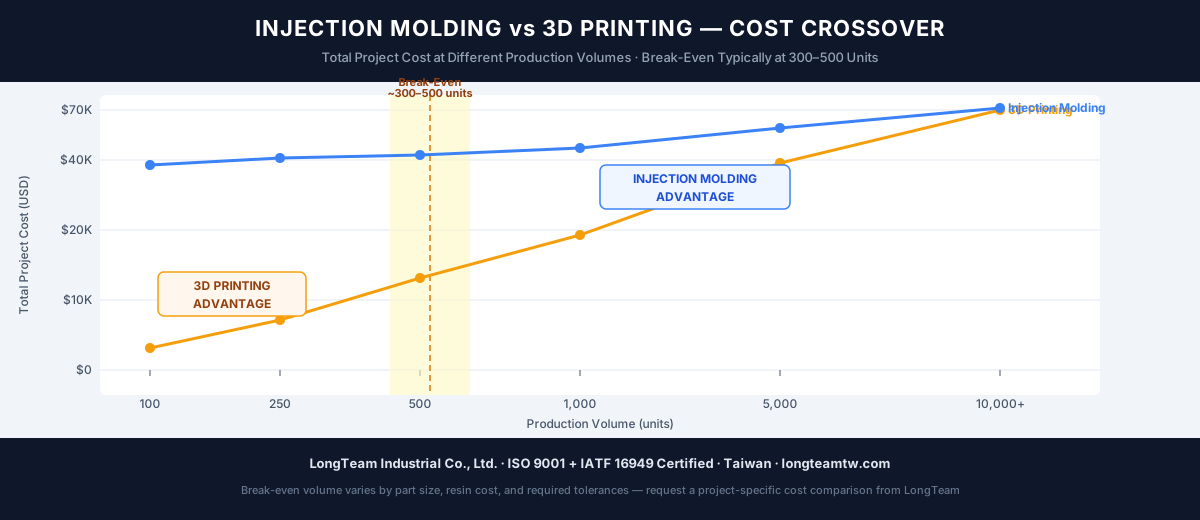
Injection Molding vs 3D Printing: A Complete Guide for Engineers Choosing Between Them
Compare injection molding and 3D printing by design maturity, material needs, part performance, demand, tooling, and validation—not one universal volume threshold.
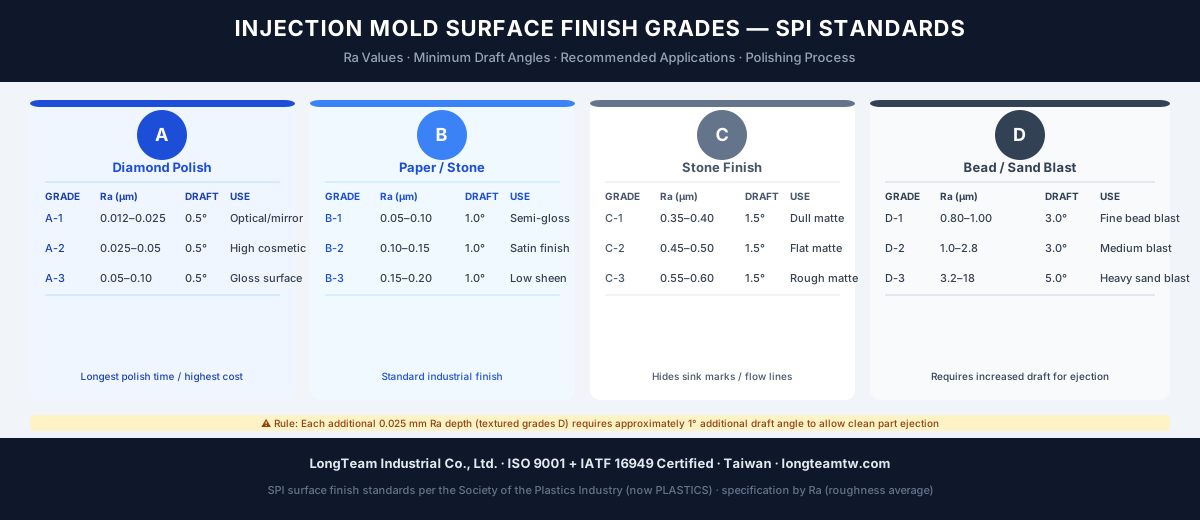
Injection Molding Surface Finish Guide: SPI, VDI 3400, and Mold-Tech Standards Explained
Specify injection-mold surface finish with a recognized reference, viewing conditions, texture location, draft, material, and an approved physical sample.
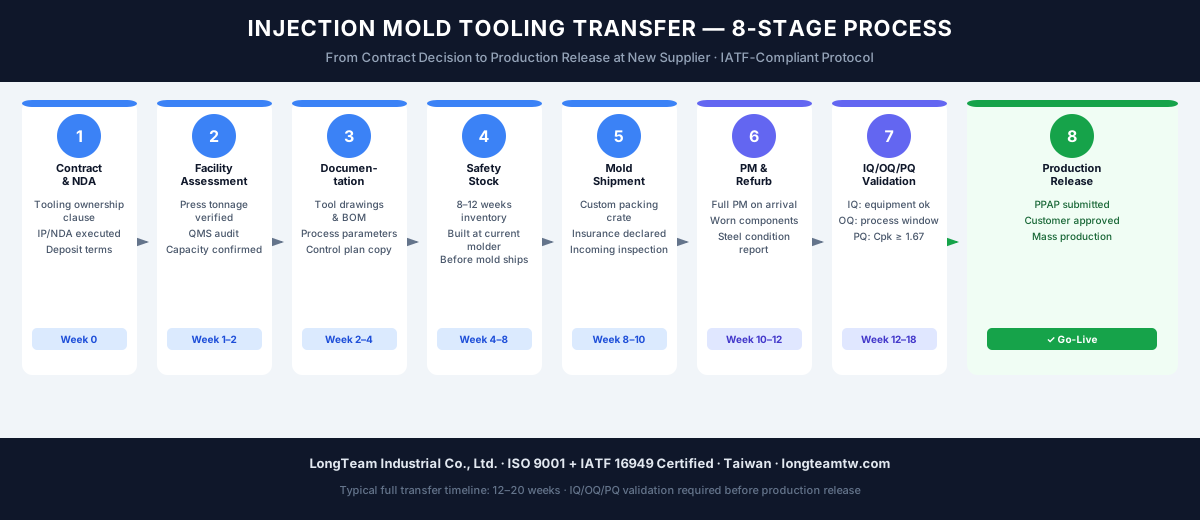
How to Transfer Injection Mold Tooling to a New Supplier: The OEM's Step-by-Step Guide
Transfer an injection mold by controlling ownership, records, physical condition, compatibility, trial evidence, and production requalification.
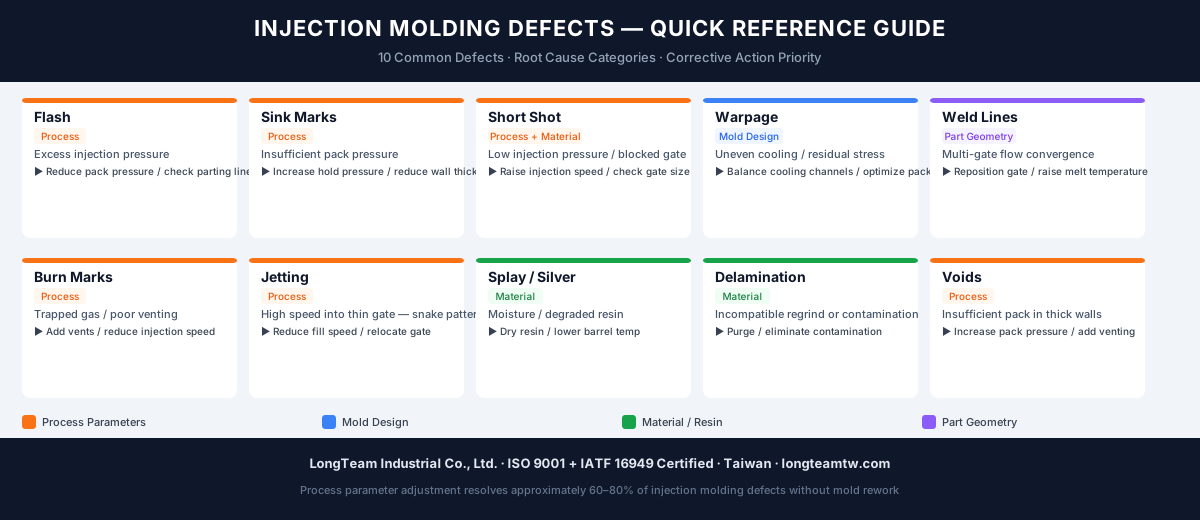
Injection Molding Defects Explained: Causes, Prevention & Fixes for 10 Common Problems
Troubleshoot molding defects by separating design, material, tool, machine, process, and handling causes before changing settings.

How to Source Plastic Parts from Taiwan: The OEM Buyer's Checklist for Choosing a Reliable Injection Molding Partner
Qualify a Taiwan injection molding supplier through current certificates, tooling ownership, engineering evidence, process controls, communication, logistics, and a controlled first program.
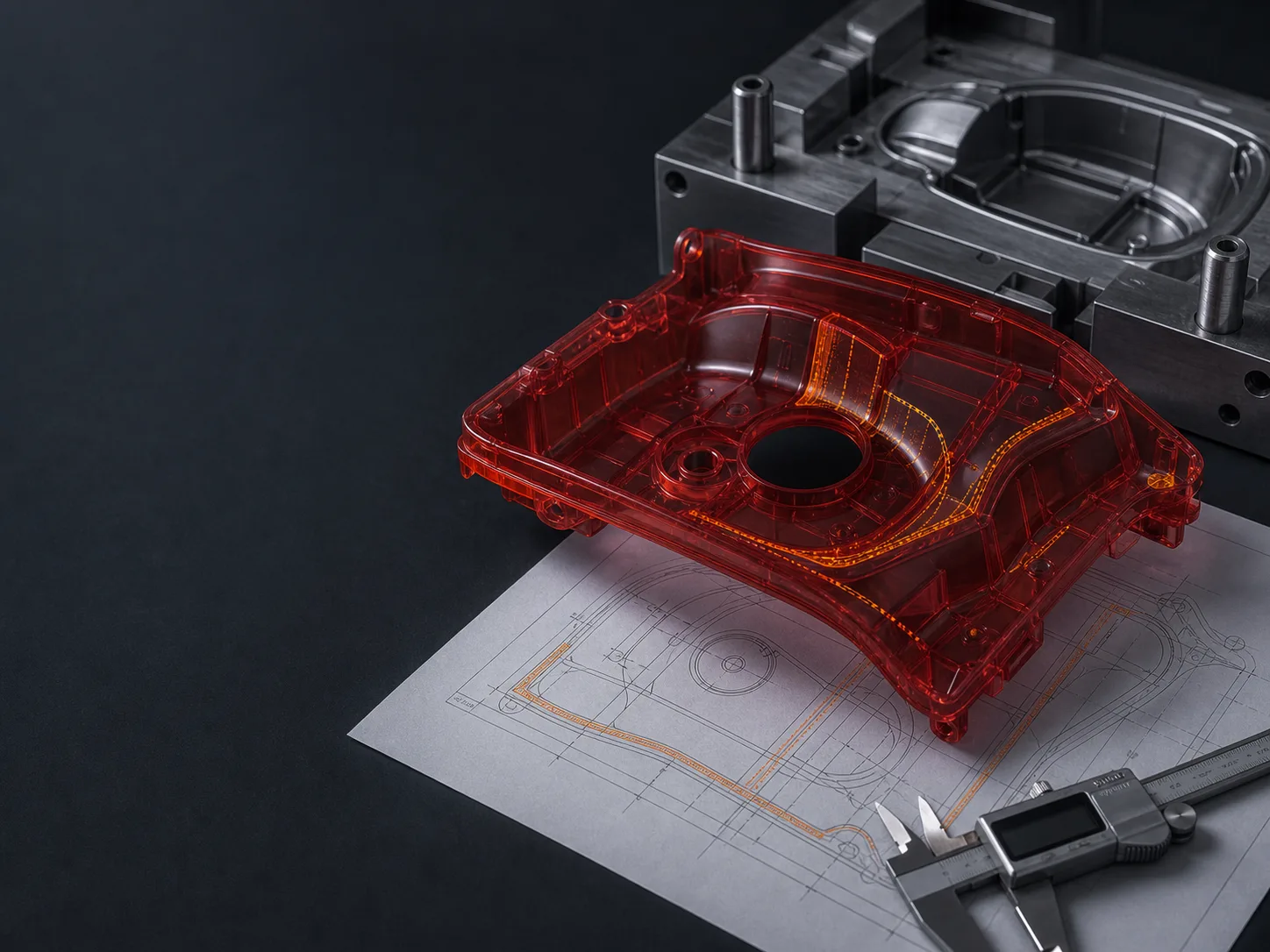
Design for Manufacturability (DFM) in Plastic Injection Molding: The Complete Engineer's Guide
Use injection molding DFM to connect part geometry, resin behavior, tooling, ejection, appearance, dimensions, and expected production demand before steel is cut.
Apply the guidance to your own part.
Send a drawing or describe the project. Our team will review the available files and clarify the quotation scope.