What matters most
- Define minimum features, walls, gates, flash limits, surface, mass, datums, and functional requirements.
- Review pellet size, degradation, moisture, residence time, fillers, color, and traceability.
- Evaluate cavity construction, venting, thermal control, ejection, machine shot control, and part handling.
Connect small geometry to measurable capability
Evaluate the technical choice together with part requirements, tooling consequences, production controls, and the evidence required for approval.
Part
Define minimum features, walls, gates, flash limits, surface, mass, datums, and functional requirements.
Material
Review pellet size, degradation, moisture, residence time, fillers, color, and traceability.
Tool and process
Evaluate cavity construction, venting, thermal control, ejection, machine shot control, and part handling.
Metrology
Agree on measurement method, fixture, magnification, uncertainty, conditioning, sampling, and correlation.
Technical guide
The sections below retain the detailed design, tooling, process, and quality context needed to evaluate this topic beyond the summary.
Key Takeaways
- 1 Micro injection molding achieves tolerances of ±0.003–0.025 mm and wall thicknesses as thin as 0.1 mm — far beyond the ±0.1–0.5 mm range of standard injection molding — enabling sub-gram parts for medical microfluidics, hearing aids, and miniaturized electronics.
- 2 The global micro injection molding market was valued at approximately USD 1.5 billion in 2025 and is projected to grow at a 10% CAGR through 2033, driven by medical device miniaturization and IoT electronics demand.
- 3 True micro molding machines use specialized screws of 14 mm or smaller (vs. 30–120 mm in standard machines) — or two-stage screw-plunger systems with plungers as small as 3–8 mm — to control shot volumes as low as 0.1 gram without material degradation.
- 4 Six specific qualification questions separate genuine micro molders from suppliers who market precision molding capabilities they cannot sustain across a production run — ask them before issuing a purchase order.
As medical devices shrink and electronics demand sub-millimeter plastic components at production scale, micro injection molding has become the only viable manufacturing method for an expanding class of critical parts. Qualifying the right supplier requires understanding both the process constraints and the quality systems needed to hold ±0.003–0.025 mm tolerances across tens of thousands of production cycles — not just during a first article inspection.
What Sets Micro Injection Molding Apart from Standard Precision Molding
The term “micro injection molding” is not simply a marketing label for tight-tolerance work. It describes a fundamentally different process architecture with distinct machine specifications, tooling requirements, and process control demands. The differences begin at the injection unit itself.
Standard injection molding presses use screw diameters of 30–120 mm to plasticate and inject shot weights of 5–500 g. Micro molding machines require specialized screws of 14 mm or smaller — or two-stage screw-plunger systems with injection plungers as small as 3–8 mm. These small-diameter systems prevent the material degradation that occurs when a small shot volume dwells in an oversized barrel. According to a peer-reviewed review of micro injection molding published in PMC, shot weights in production micro molding range from approximately 0.1 g to 1 g, with advanced two-stage systems achieving sub-0.1 g shots using plunger injection at pressures of 2,450–3,500 bar.
| Parameter | Standard Injection Molding | Precision Injection Molding | Micro Injection Molding |
|---|---|---|---|
| Dimensional tolerance | ±0.1–0.5 mm | ±0.05–0.1 mm | ±0.003–0.025 mm |
| Shot weight | 5–500 g | 1–50 g | 0.1–1 g |
| Screw / plunger diameter | 30–120 mm | 20–40 mm | 3–14 mm |
| Minimum wall thickness | 0.8–1.0 mm | 0.4–0.6 mm | 0.1–0.3 mm |
| Injection pressure | 700–1,400 bar | 1,400–2,000 bar | 2,450–3,500 bar |
| Cavity tooling method | CNC machined | CNC + EDM finishing | Micro-EDM, wire EDM |
Mold tooling for micro molding cannot be produced by conventional CNC machining alone. Micro-cavity geometries require micro-EDM (electrical discharge machining) achieving feature sizes of 10–25 µm and surface roughness values of Ra 0.05 µm. Wire EDM is used for ejector pin holes and guide pillars at ±0.003 mm precision. Ejector pins as small as 0.1–0.3 mm in diameter are required for part removal without deformation, and venting slots are machined to just a few microns depth — enough to allow air escape without permitting a flash burr that would occlude a microfluidic channel.
Primary Applications: Medical Devices and Electronics Miniaturization
Medical devices represent 31.8% of global micro injection molding demand in 2025 — the single largest end-use segment — according to Grand View Research’s 2025 polymer microinjection molding analysis. The medical micro injection molding subsegment was valued at USD 1.86 billion in 2026 and is projected to grow at a 9.1% CAGR through 2033. The driver is a secular shift in device design: minimally invasive procedures, point-of-care diagnostics, wearable drug delivery, and neural implants all require plastic components that are physically small, dimensionally exact, and fully biocompatible — a combination that only micro injection molding can deliver at production volumes.
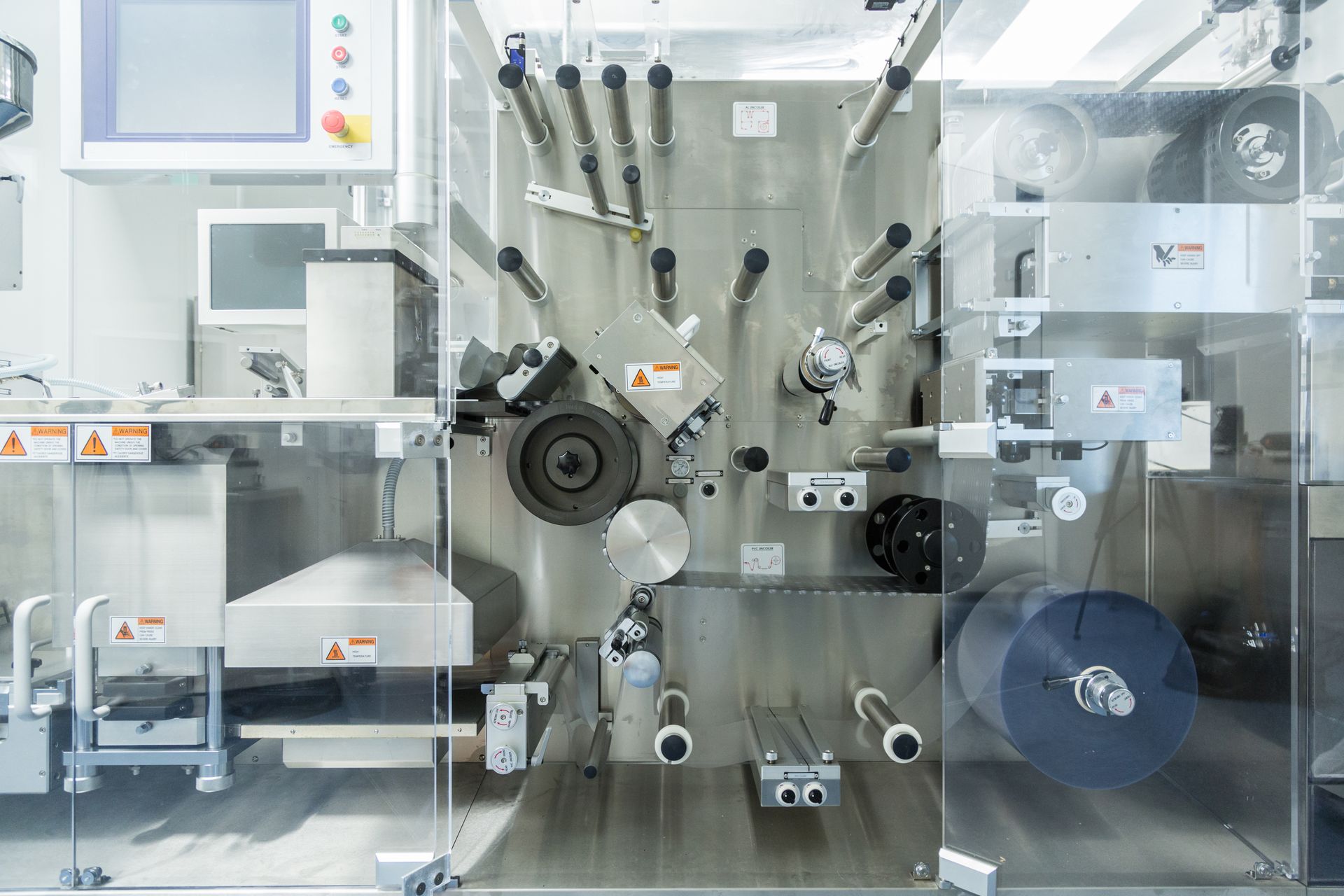
Electronics miniaturization is the second major growth driver. The telecom and fiber optics segment is growing at a 10.8% CAGR as IoT devices, wearables, high-density connectors, and MEMS sensor packaging demand plastic components at sub-millimeter scale. According to a 2025 ScienceDirect review of in-mold electronics for microfluidics, in-mold embedding (IME) technology is advancing to integrate electrical traces directly into micro-molded substrates, eliminating the need for a separate PCB in many IoT sensor assemblies.
| Sector | Representative Applications | Critical Material Requirement |
|---|---|---|
| Medical Devices | Microfluidic diagnostic cartridges, catheter hubs, inhaler valves, wearable injector components, endoscope tips, cochlear implant connectors | ISO 10993-1 biocompatibility, sterilization resistance (autoclave, gamma, EtO) |
| Wearable Electronics | Hearing aid housings, wearable biosensor enclosures, earphone acoustic chambers, blood glucose monitor micro-components | Dimensional stability, low moisture absorption, skin-safe material grades |
| Consumer Electronics | High-density connectors (<2 mm pitch), MEMS packaging, fiber optic ferrules, optical lens holders, IoT sensor housings | Electrical insulation, high flow for thin walls (LCP), solder-process resistance |
| Automotive / Industrial | Micro-gears, precision valve seats, fuel system micro-components, pressure sensor housings | Chemical resistance, tribological properties, thermal stability |
Material Selection: PEEK, POM, LCP, and PVDF
Four materials dominate the high-performance micro molding segment. Each requires process parameter windows far narrower than standard injection molding — making material selection and process validation inseparable disciplines for any micro molding program.
PEEK (Polyether ether ketone) is the preferred material for implantable and sterilizable medical micro-components, representing 28.3% of the global polymer microinjection molding market by resin type in 2025. It passes ISO 10993-1 biocompatibility evaluation, withstands autoclave sterilization (134°C), and maintains dimensional stability from −65°C to +250°C. PEEK requires barrel temperatures of 380–420°C and mold temperatures of 150–200°C; barrel residence time must be minimized — thermal degradation in small shot volumes is a primary failure mode.
POM (Polyoxymethylene / Acetal) is specified for micro-precision mechanical components requiring low friction and dimensional stability: micro-gears, pump impellers, valve seats, and filter components. Its tight crystalline structure delivers excellent fatigue resistance. POM is thermally sensitive — cascade barrel temperature profiles and maximum 5-minute barrel residence time are required to prevent formaldehyde off-gassing and degradation.
LCP (Liquid Crystal Polymer) provides exceptionally low melt viscosity, enabling reliable fill of wall thicknesses below 0.2 mm that no other engineering plastic can achieve at micro scale. Vectra-grade LCP fills cavities under 0.2 mm thick, with near-zero post-mold shrinkage (0.1–0.5%) and full solder-process resistance (vapor-phase and IR). These properties make LCP uniquely suited for high-density electrical connectors (<2 mm pitch) and SMT-compatible sensor housings for wearable and IoT applications.
PVDF (Polyvinylidene fluoride) is selected for micro-molded chemical sensor components, microfluidic fittings handling aggressive media, and diagnostic device connectors where chemical resistance and biocompatibility are both required. Its piezoelectric properties make it valuable in acoustic and pressure sensor applications. PVDF requires corrosion-resistant barrel and screw materials during processing due to fluoride chemistry.
Six Questions to Ask Before Awarding a Micro Molding Program
The micro injection molding market’s rapid growth — from approximately USD 1.5 billion in 2025 at a 10% CAGR — has attracted suppliers who market “precision molding” capabilities without the specialized equipment and quality infrastructure required to hold ±0.01 mm across a production run. These six questions identify suppliers with genuine micro molding capability before the purchase order is issued:
- What is your minimum screw diameter, and do you use a two-stage screw-plunger system? — A supplier using standard 30 mm screws cannot reliably process sub-gram shots without material degradation. True micro molding requires dedicated screws of 14 mm or smaller, or a two-stage system with a 3–8 mm injection plunger. Ask for machine specification sheets, not verbal claims.
- How are your micro-cavities manufactured — CNC only, or micro-EDM and wire EDM? — Micro-EDM achieves feature sizes of 10–25 µm and is the only reliable method for sub-0.3 mm wall cavities and ejector pin holes at ±0.003 mm precision. Suppliers claiming CNC-only tooling for this geometry class should be disqualified from medical and precision electronics programs.
- What is your in-process inspection method — statistical sampling or 100% part verification? — Manual CMM sampling at end-of-shift is insufficient for micro production runs. Ask specifically for integrated vision inspection systems at the press, automated micro-CMM with sub-micron probing, or a protocol for 100% dimensional verification. For microfluidic parts, confirm inspection covers channel width and depth, not only external dimensions.
- Can you provide Cpk/Ppk data from a production run — not a first article inspection? — A Cpk of 1.67 or higher from a validated production run of at least 500–1,000 shots distinguishes a genuinely capable process from a demonstration sample. Request the raw SPC data, not a summary certificate.
- What is your cleanroom classification and ISO 13485 certification scope? — Medical micro-molded parts require at minimum an ISO Class 8 cleanroom environment and ISO 13485:2016 quality management. Verify the certificate covers the specific manufacturing site and product category, not a parent-company holding. Request IQ/OQ/PQ validation records for the process and cleanroom environment.
- What is your lot-level material traceability protocol? — Biocompatible micro-molded components require traceability from resin lot receipt through drying, barrel loading, and finished parts — enabling a batch recall if a supplier issues a material change notification. Request a sample Device History Record (DHR) to verify the system is operational, not aspirational.
Suppliers who answer all six questions with documented evidence — not verbal assurances — have the process infrastructure to hold micro tolerances and maintain regulatory compliance at production volumes. For medical OEMs and electronics manufacturers, this pre-award verification reduces qualification risk and protects program timelines from supplier change notifications after production has begun.
Qualifying a Precision Mold Supplier for Your Program?
LongTeam Industrial supports precision injection-molding programs for medical-device, automotive, and electronics applications. Process documentation is scoped to the customer’s qualification requirements. Contact us to discuss your precision molding requirements and receive a DFM review.
Discuss Your Precision Molding Requirements →What to confirm before supplier review
Use the drawing, material specification, expected demand, application conditions, and acceptance requirements to turn a general process discussion into a program-specific review.
- Which feature and tolerance create the real micro-molding challenge?
- Can the proposed process prepare and meter the exact resin consistently?
- How are parts separated, handled, and protected?
- Is the measurement system capable relative to the requirement?
Continue the engineering review
Use the related guides and capability pages to connect this topic to part geometry, tooling, molding, and qualification decisions.