Medical & Aesthetic Device Injection Molding
Medical and device-component molding, including multi-material applications, reviewed against the specific quality-system scope, material, contamination, validation, traceability, packaging, and regulatory requirements of the program.
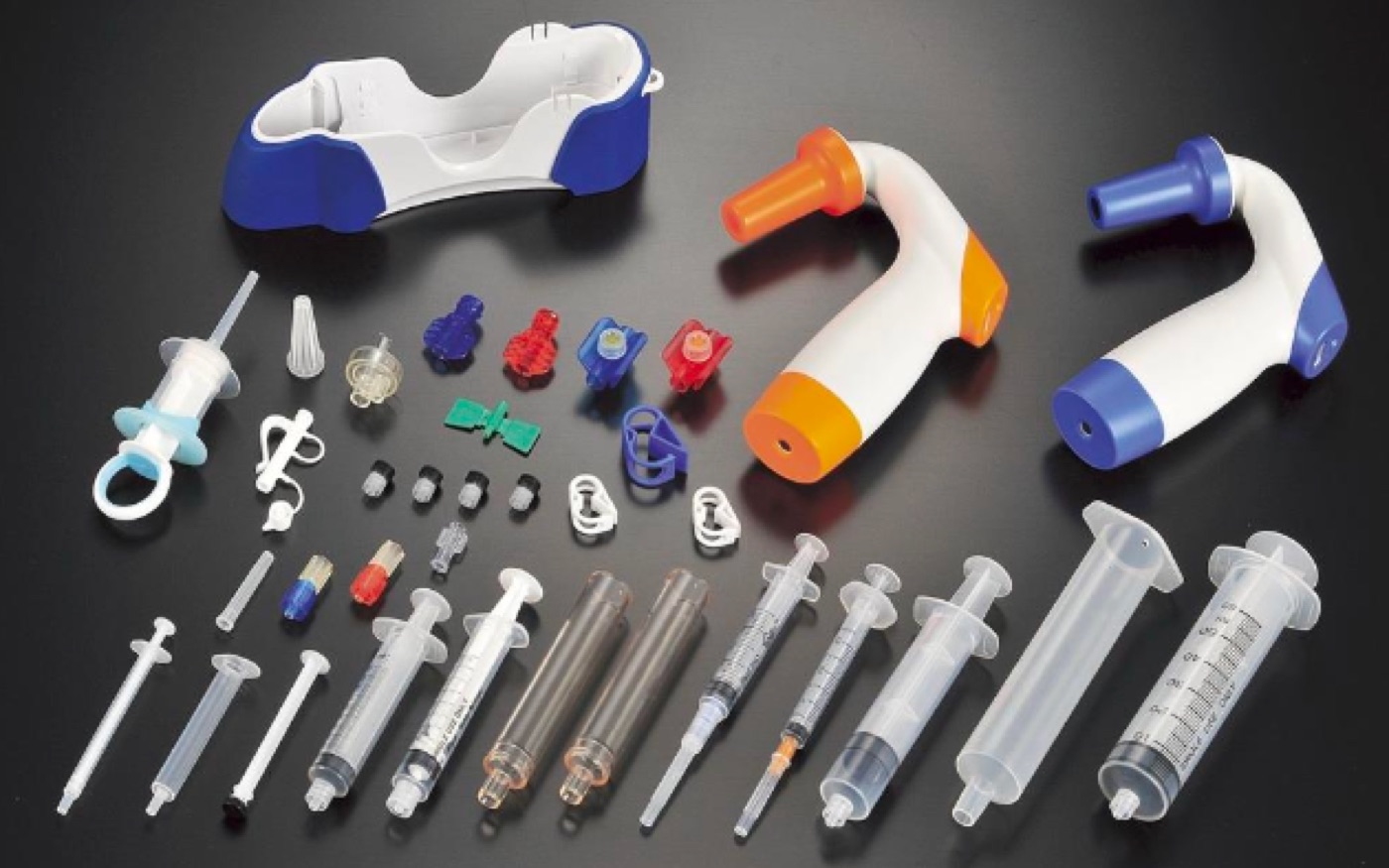
- Process
- Medical and device-component injection molding
- Engineering path
- Drawing review → DFM → tooling → trials → production
- Press range
- 80–850 tonnes; final press selection depends on the part and tool
- Location
- Tainan, Taiwan
- Company
- LongTeam Industrial Co., Ltd., founded in 1989
- Multi-material routes
- Two-shot, insert molding, or overmolding selected against the device and material requirements
- Quality system
- ISO 13485 wording retained; verify current certificate and program scope
Define the device requirement before the process
Part function, patient or user contact, material, cleanliness, dimensions, appearance, tests, packaging, traceability, and regulatory pathway determine the supplier and process evidence required.
Use multi-material molding where integration serves the device
Industry applications include rigid-soft grips, integrated seals, fluid-handling interfaces, diagnostic components, tactile surfaces, and color-coded controls. The appropriate route may be two-shot molding, insert molding, or overmolding; the device owner must define material, contact, sterilization, regulatory, and functional requirements before a route is approved.
- Integrate a grip, seal, interface, or visual function
- Compare two-shot, insert molding, overmolding, and assembly
- Define the interface test and acceptance evidence
Verify quality-system and material scope
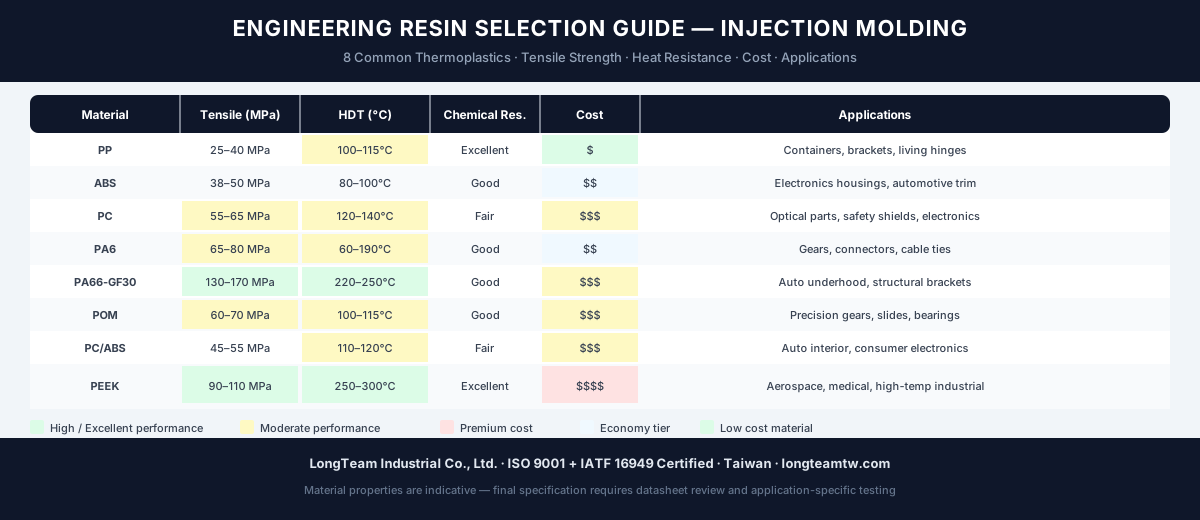
Review the current ISO 13485 certificate, legal entity, site, activities, exclusions, issuing body, and expiry. Approve the exact resin grades and supporting evidence, then define handling, cleaning, environment, storage, packaging, and traceability from the device risk. Certification does not by itself establish a cleanroom class or approve a material combination.
Plan validation and release evidence
Agree on material compatibility, interface testing, tool and process validation, measurement, functional testing, deviations, retained records, and production release responsibilities.
The same engineering path, adapted to your program.
See how analysis, tooling, and process learning stay connected from review through production. Findings and acceptance criteria are defined for each program.
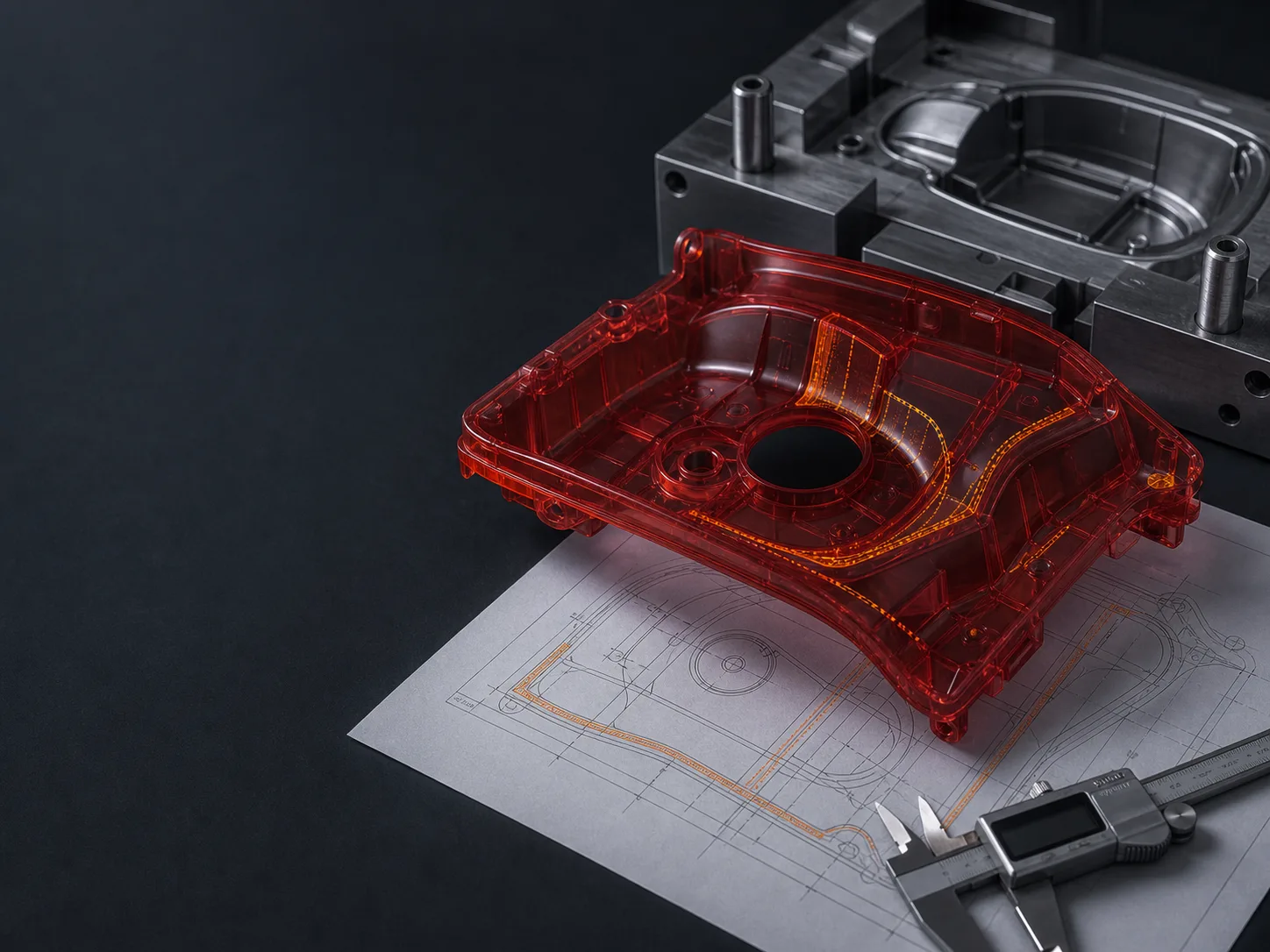
Review geometry, material, gates, ejection, and tooling risks before steel is cut.
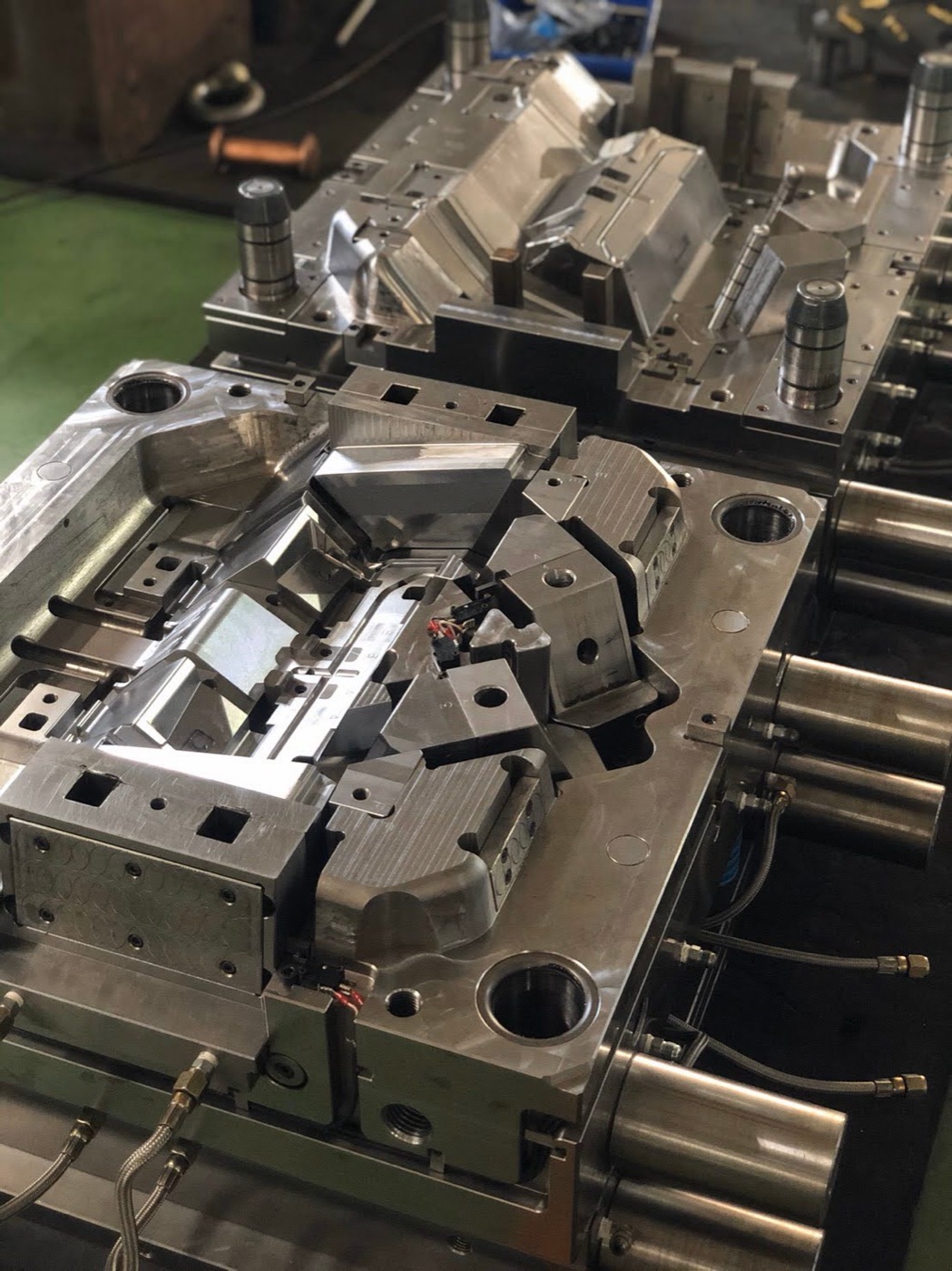
LongTeam injection mold tooling, built to carry engineering decisions into production.
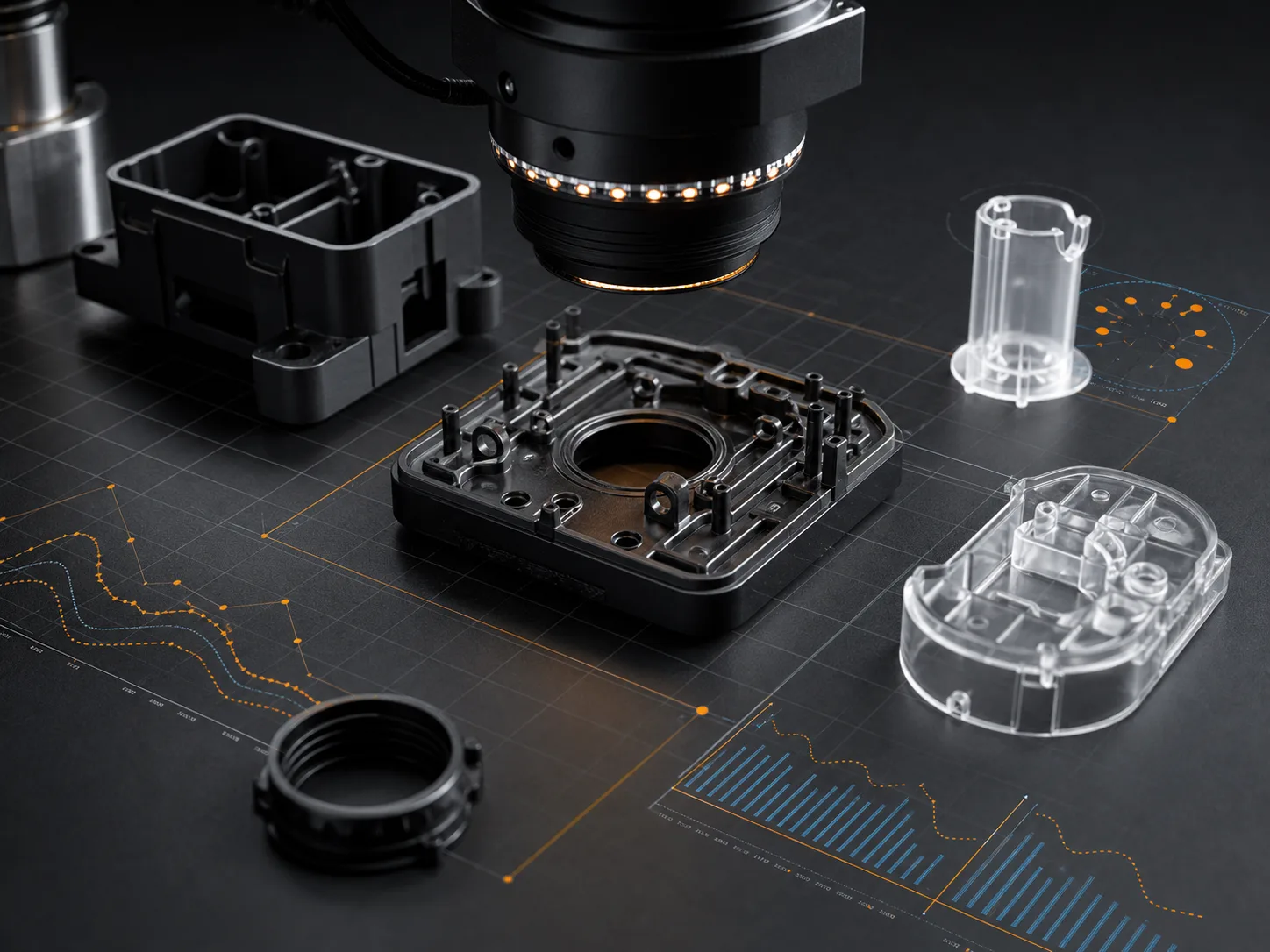
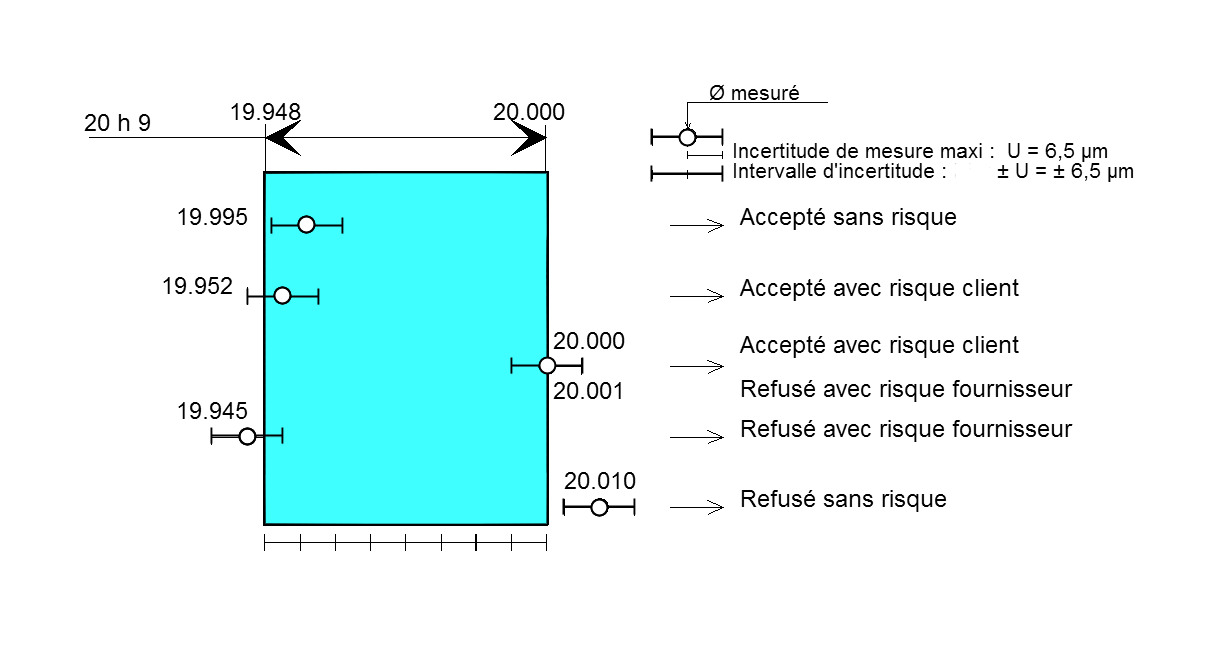
Use dimensional and process data to identify variation and guide engineering decisions.
Frequently asked questions
Related capabilities and program guidance
Prepare the right information for an engineering review.
Share the drawing, material, expected volume, and critical requirements so LongTeam can clarify the project and quotation scope.