Two-shot / 2K
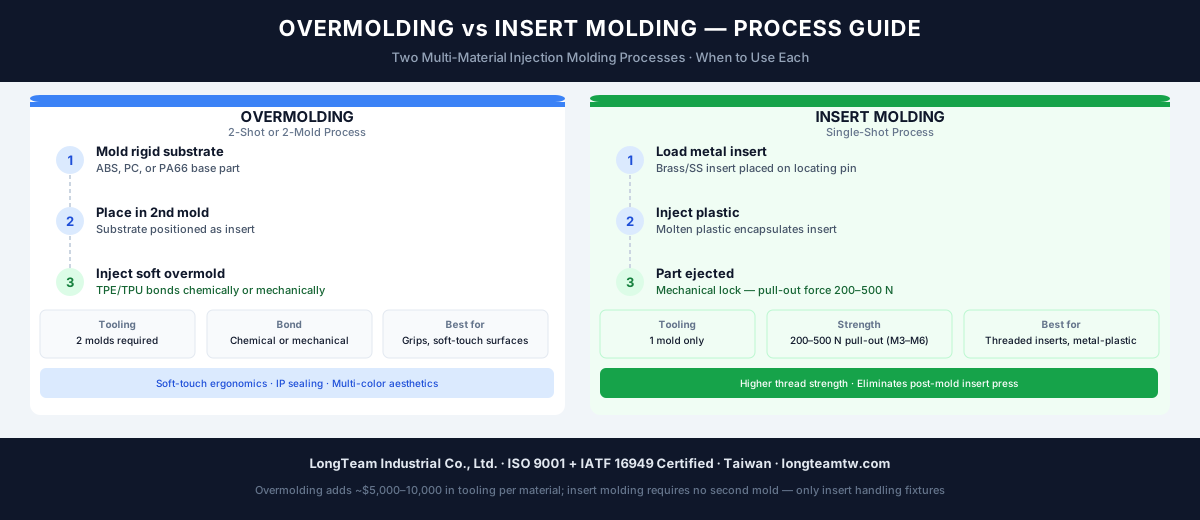
Both materials should be formed in one coordinated molding sequence.
Confirm: Material compatibility, first-shot retention, transfer sequence, gates, shutoffs, and interface testing.
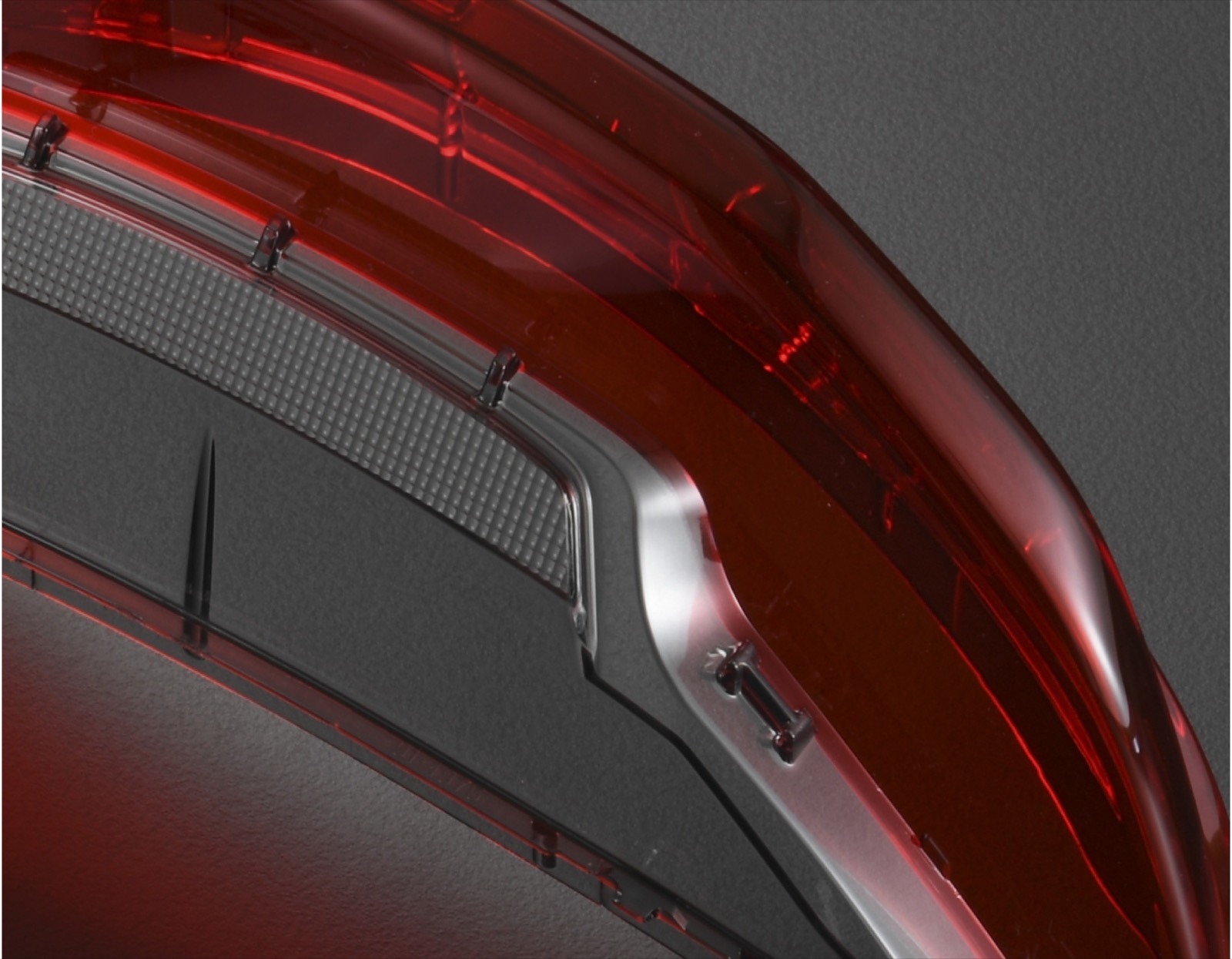
LongTeam specializes in multi-material components made through two-shot (2K) molding. Use the process when compatible materials or colors need to form one coordinated part, with the interface, tooling sequence, expected demand, and approval method reviewed before release.
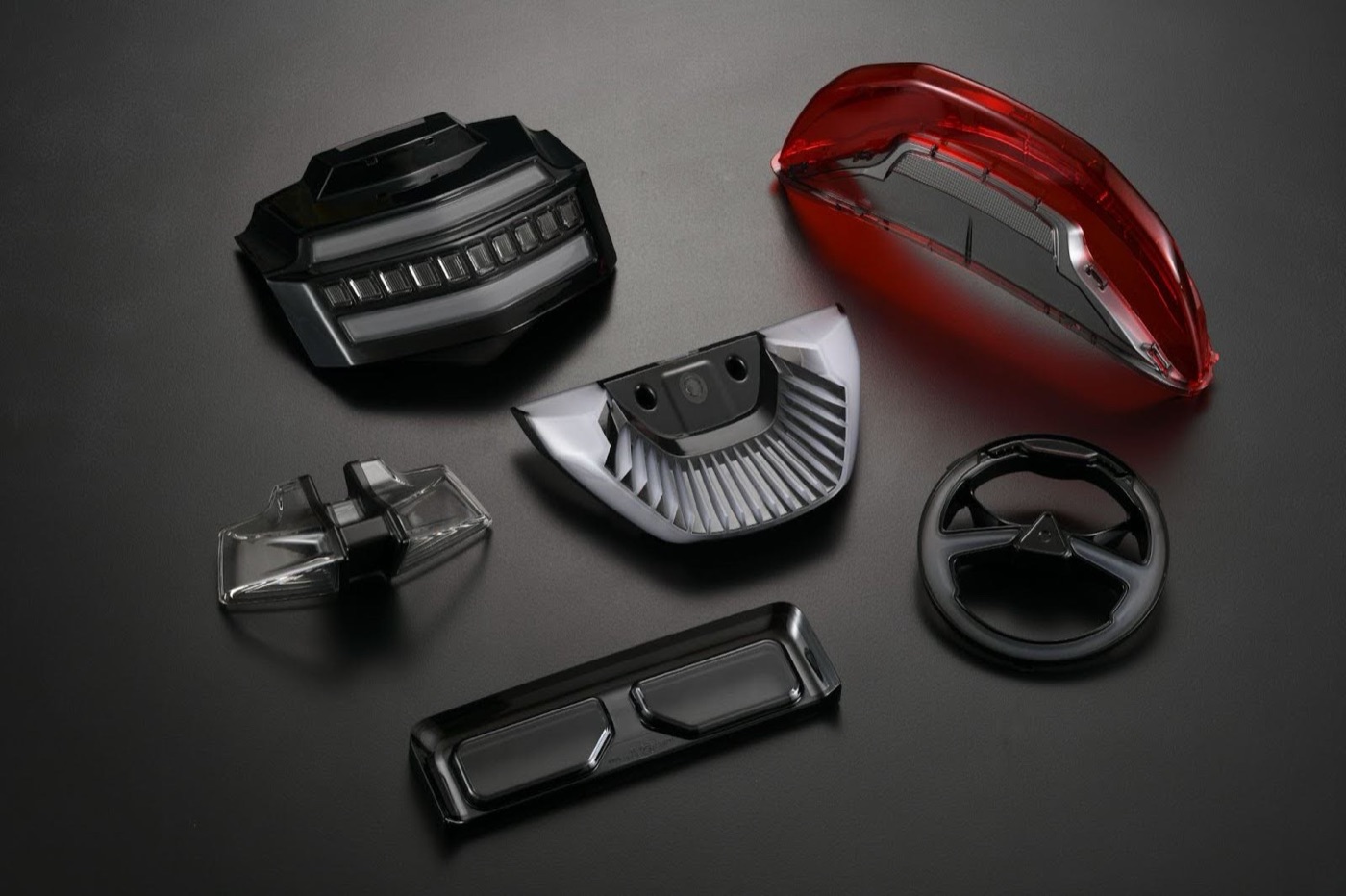
The right route depends on the interface, material pair, annual demand, handling risk, and evidence required to approve the finished part.
Read the two-shot process and design guideBoth materials should be formed in one coordinated molding sequence.
Confirm: Material compatibility, first-shot retention, transfer sequence, gates, shutoffs, and interface testing.
A separately molded substrate can be transferred into a second tool for the added material.
Confirm: Substrate condition, placement, bond or interlock, flash limits, and transfer controls.
Metal hardware or another prepared component must be positioned and encapsulated during molding.
Confirm: Insert tolerances, orientation, support, detection, heat exposure, and pull-out or functional tests.
Multi-material molding can combine a rigid structure with a soft or sealing surface, distinguish controls with color, or create a defined interface without treating separate assembly as the default. Two-shot molding should be compared with insert molding, overmolding, and separate assembly using the same functional and production assumptions.
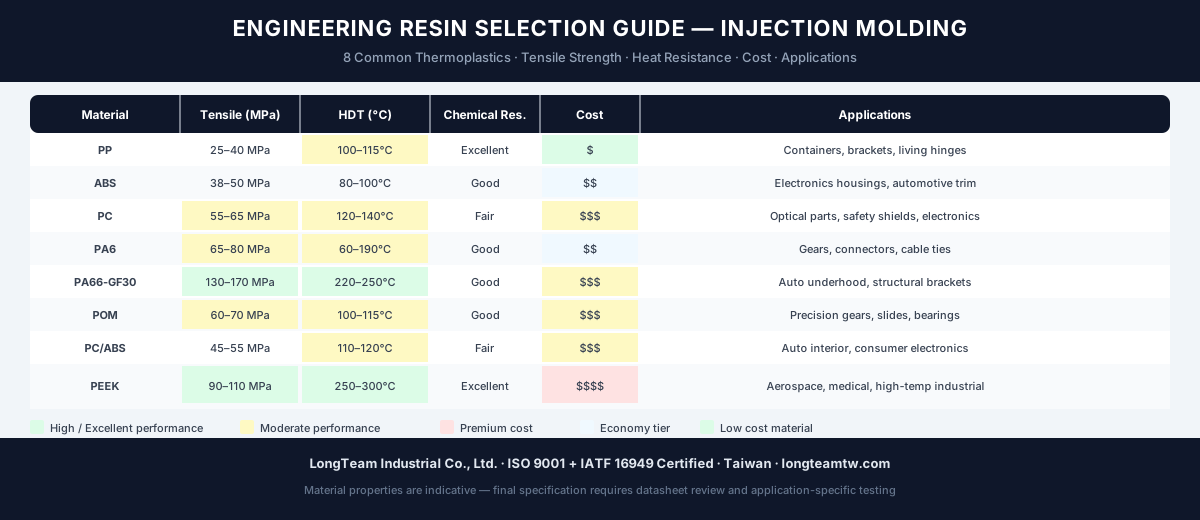
The interface may rely on chemical adhesion, mechanical interlock, or both. The drawing and DFM review should define shutoffs, first-shot support, second-shot flow, flash limits, appearance, and the functional test used for approval.
Review how the first shot is formed and retained, how the mold rotates or transfers, where both shots gate and vent, and how the completed part is ejected and inspected. Machine and tool selection follow the actual projected area, shot requirements, and geometry.
Agree on material records, dimensional and cosmetic criteria, interface tests, cavity identification, process controls, samples, and change notification for the specific program.
See how analysis, tooling, and process learning stay connected from review through production. Findings and acceptance criteria are defined for each program.
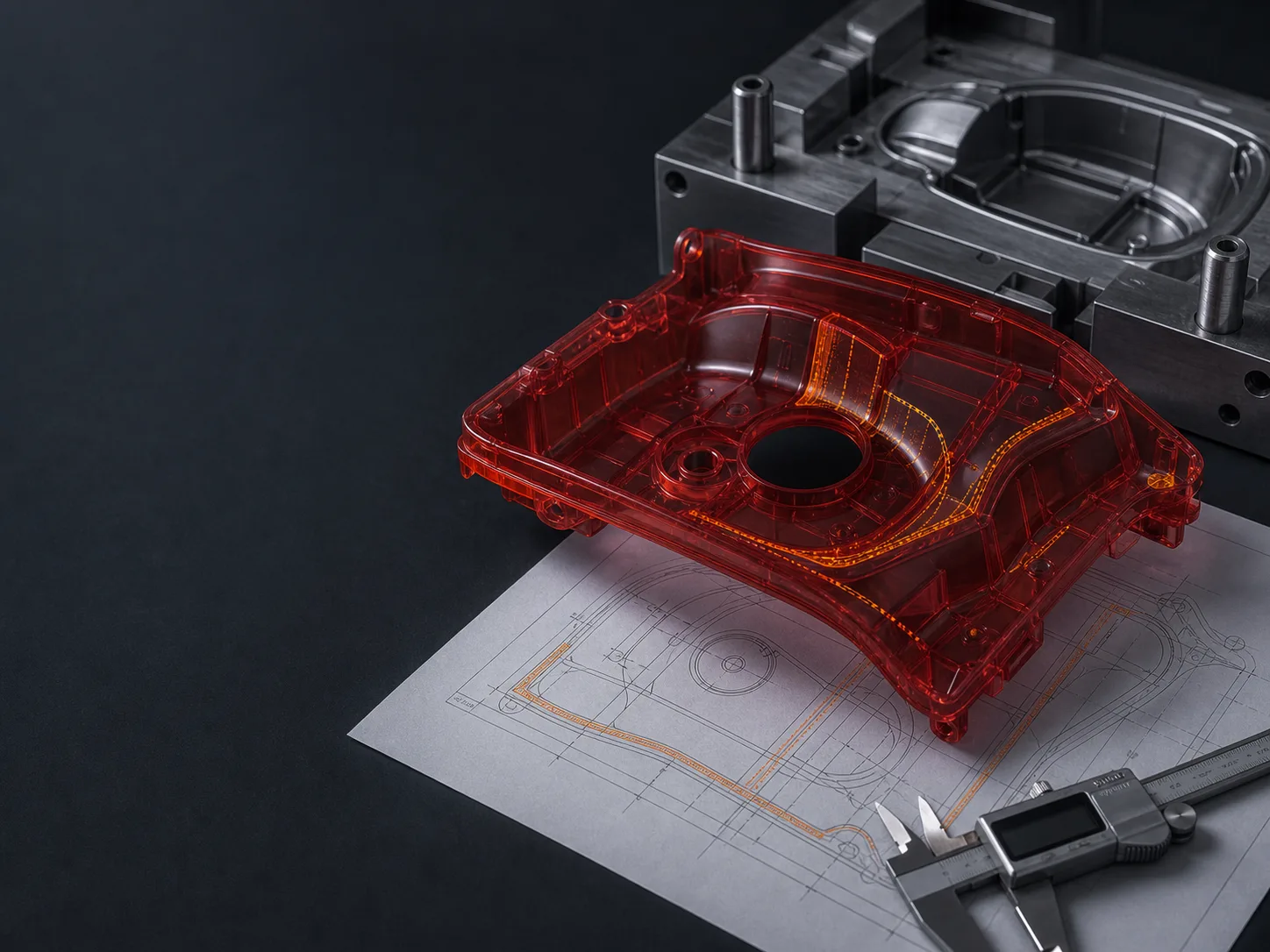
Review geometry, material, gates, ejection, and tooling risks before steel is cut.
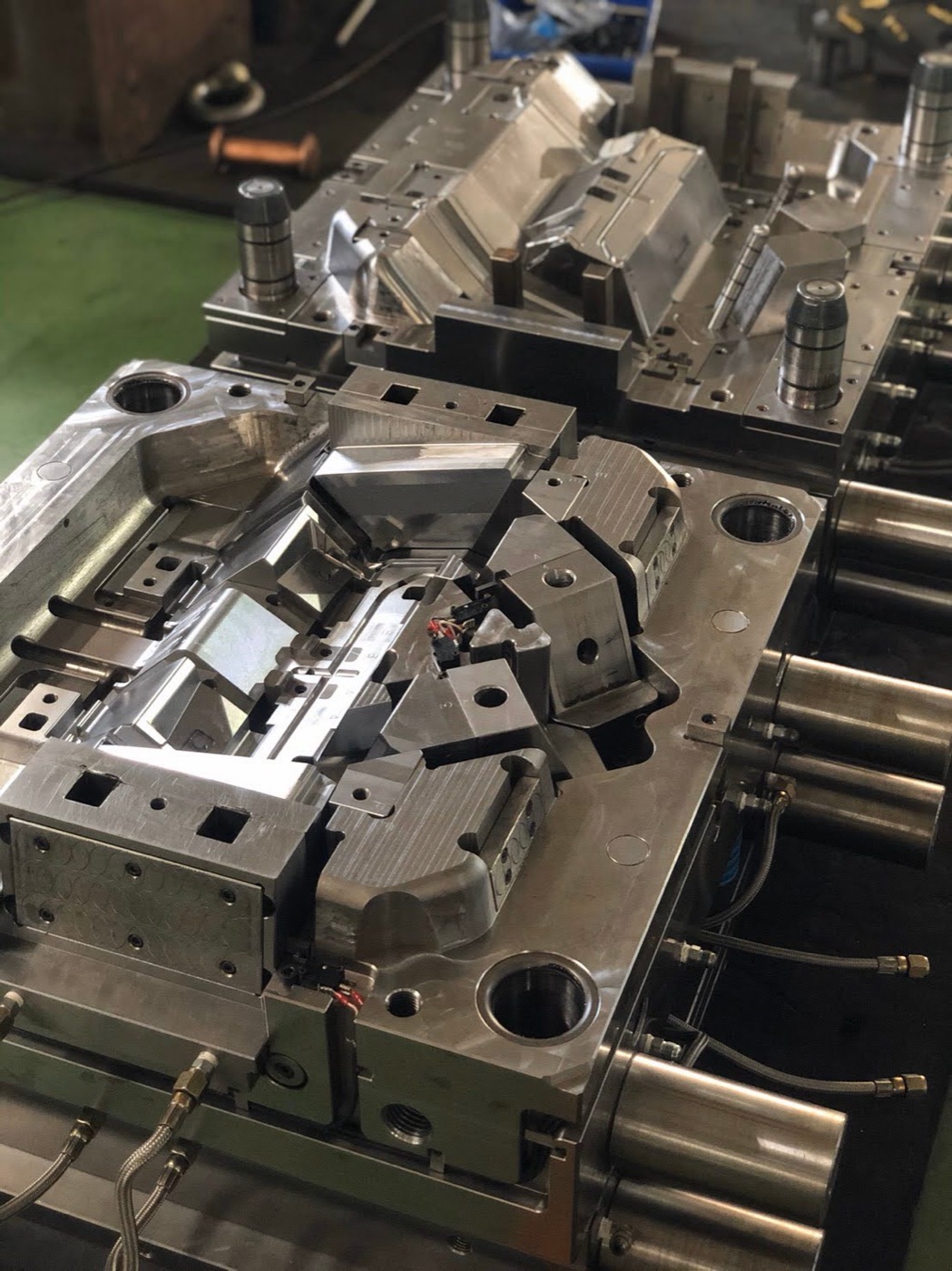
LongTeam injection mold tooling, built to carry engineering decisions into production.
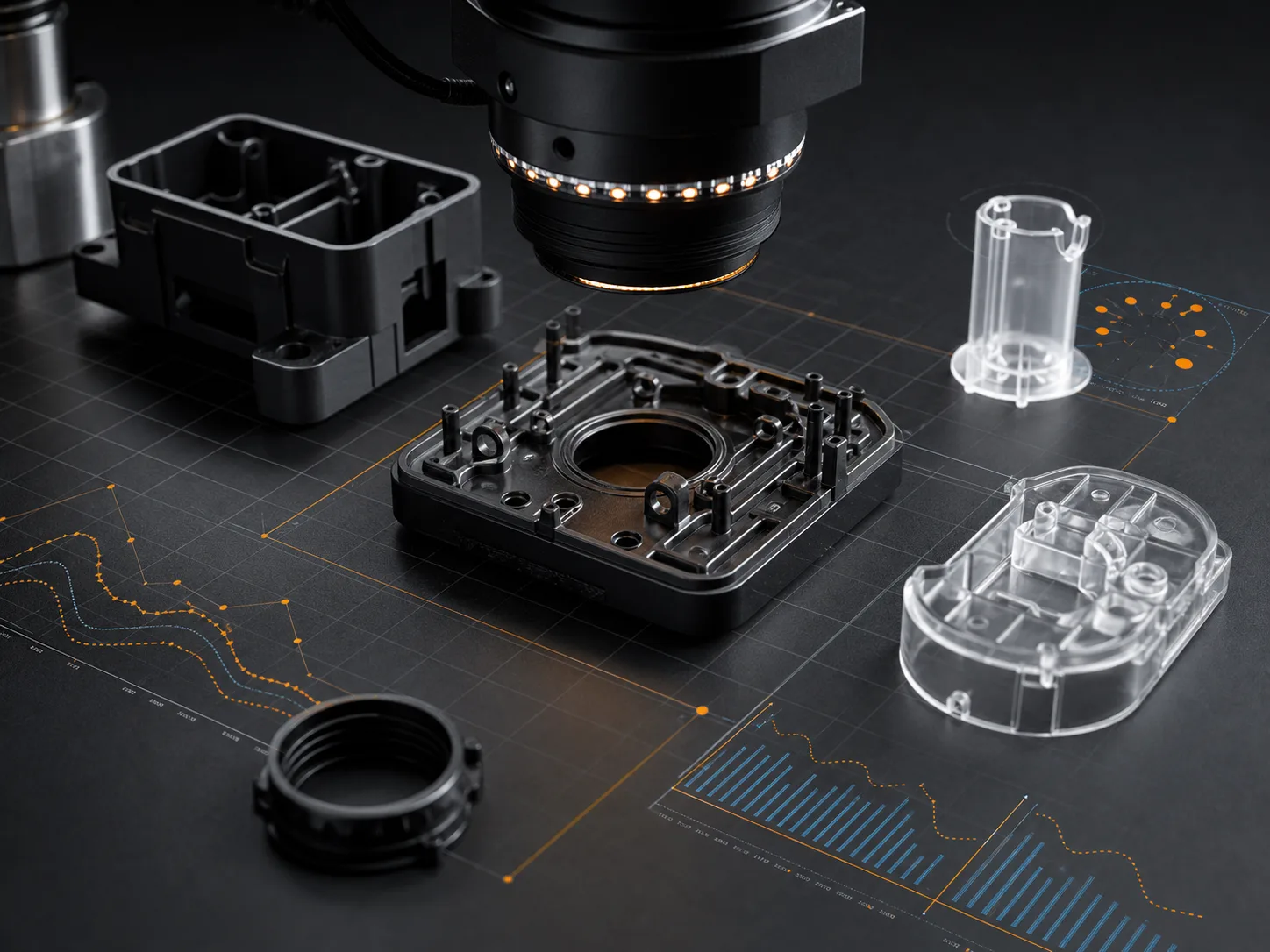
Use dimensional and process data to identify variation and guide engineering decisions.
Share the drawing, material, expected volume, and critical requirements so LongTeam can clarify the project and quotation scope.