What matters most
- Material compatibility and interface geometry should be resolved before tooling.
- The first shot must remain dimensionally and thermally suitable for the second shot.
- Production demand and part integration determine whether 2K tooling is preferable to separate molding and assembly.
Design the interface as a functional feature
Review the bond mechanism, shutoffs, flash risk, first-shot support, second-shot flow, and how the interface will be tested in the real application.
Material pair
Confirm grade-level compatibility, color, additives, conditioning, and service environment.
Interface
Define chemical bonding, mechanical interlock, sealing, appearance, and edge conditions.
Tool sequence
Review rotation or transfer, first-shot retention, venting, gates, and ejection.
Approval
Agree on adhesion, dimensional, cosmetic, and functional tests for the finished part.
When two-shot molding fits the part
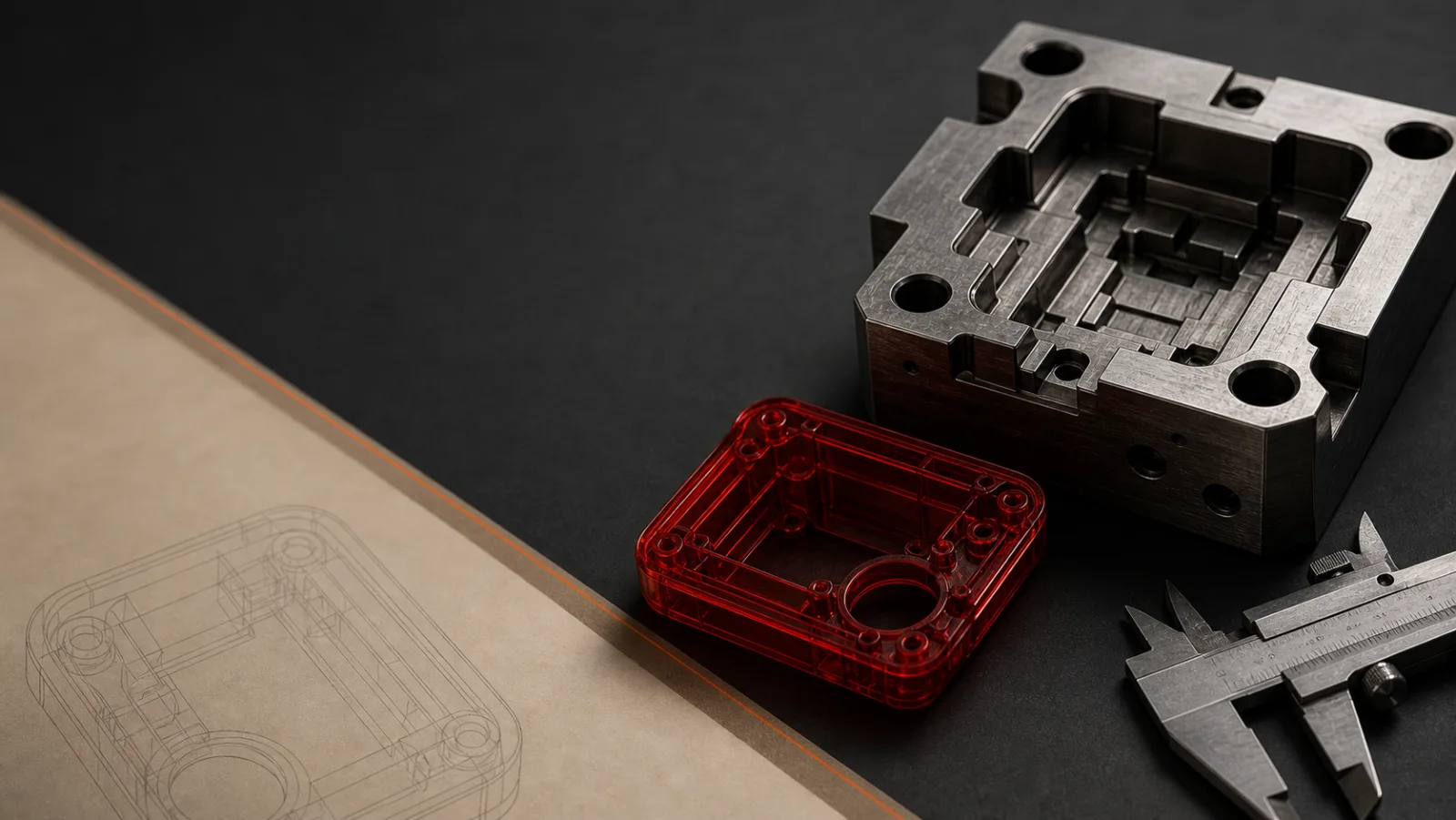
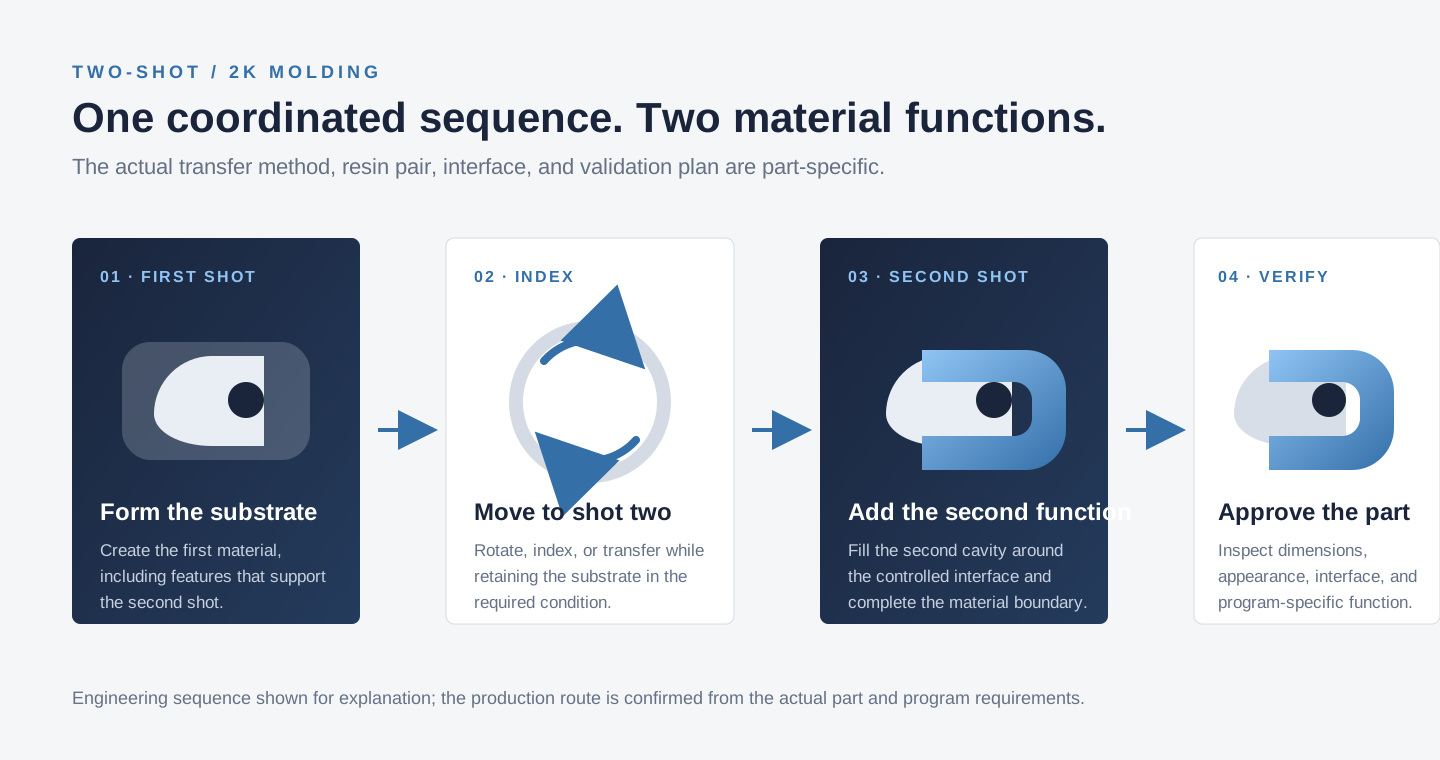
Two-shot injection molding forms two materials or colors in one coordinated molding sequence. It is most useful when the finished component needs an integrated function—such as a rigid structure with a soft interface, a controlled seal, a defined color boundary, or two material behaviors—and when the expected production program justifies the additional mold and process coordination.
The decision should not begin with the assumption that two materials require a 2K tool. Compare two-shot molding with overmolding, insert molding, and separate molding plus assembly using the same part requirements. Geometry, material grades, annual demand, appearance, interface performance, automation, validation, and change control can alter the preferred route.
| Route | Useful when | Questions to close |
|---|---|---|
| Two-shot / 2K | Both materials should be formed in one coordinated molding sequence. | Material pair, first-shot retention, transfer method, cavity sequence, gates, shutoffs, and interface test |
| Overmolding | A separately molded substrate can be placed in a second tool. | Substrate condition, placement, surface preparation, interlock, flash, and transfer controls |
| Insert molding | Metal hardware or another prepared component must be encapsulated. | Insert dimensions, orientation, support, detection, heat exposure, and functional testing |
| Separate parts and assembly | Materials, service, demand, maintenance, or commercial constraints favor independent parts. | Alignment, joining, fixtures, inspection, traceability, serviceability, and total process steps |
Design the material interface as a functional feature
A two-shot interface may depend on chemical adhesion, mechanical interlock, compression, geometry, or a combination of these mechanisms. A generic compatibility chart cannot approve a production material pair. Confirm the exact resin grades, colorants, fillers, additives, moisture or conditioning requirements, process-temperature relationship, and intended service environment with the material suppliers and production trials.
Define what the interface must do before deciding how it should look. A grip, seal, visible color boundary, light-related surface, electrical isolation feature, or structural interface will require different geometry and evidence. The drawing and DFM record should identify controlled edges, shutoffs, flash limits, material overlap, visible zones, and the test used to accept the interface.
First-shot support
Review how the substrate is held during the second shot, where pressure acts, and which features protect dimensions and appearance.
Second-shot flow
Review gate position, flow length, air escape, weld regions, edge fill, and the risk of moving or reheating the substrate.
Material boundary
Define the visible line, sealing or bonding area, mechanical locks, transition radii, and permitted flash or mismatch.
Approval method
Connect the interface to dimensional, cosmetic, adhesion, leakage, cycling, chemical, or assembly tests required by the application.
Connect the mold sequence to production
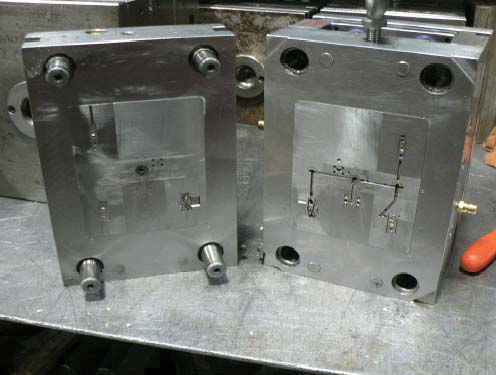
The first and second cavities form one production system. Review parting lines, rotary or transfer motion, substrate retention, cavity balance, gates, runners, vents, cooling, ejection, sensors, and maintenance access together. A change to one shot can affect the other shot's dimensions, surface, or interface.
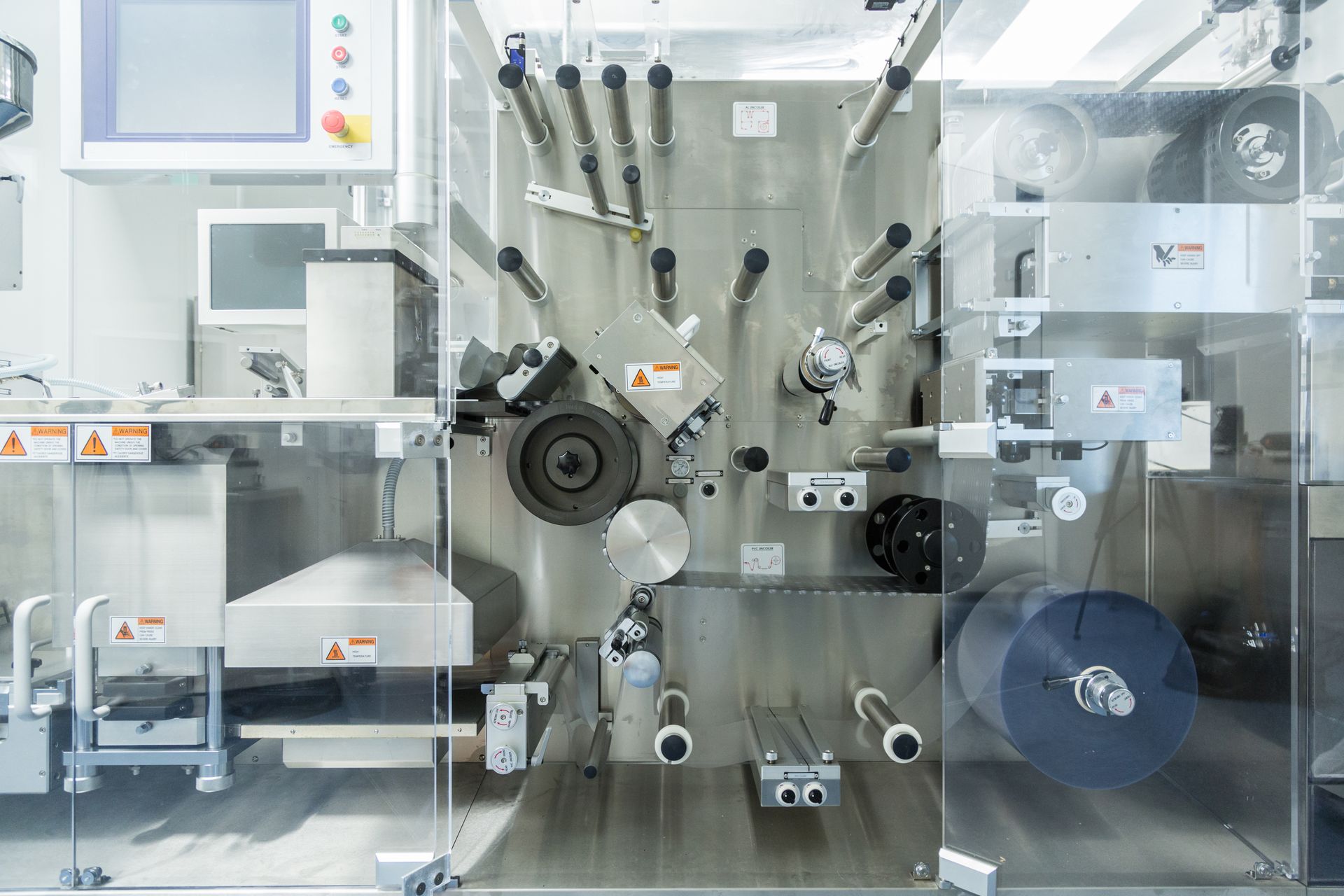
Press selection follows the actual projected area, shot sizes, resin requirements, tool dimensions, transfer mechanism, and process window. Avoid selecting a supplier from tonnage alone. Ask how the proposed machine, mold architecture, auxiliary equipment, material preparation, and inspection plan support the particular component.
Automotive-lighting and medical-device considerations
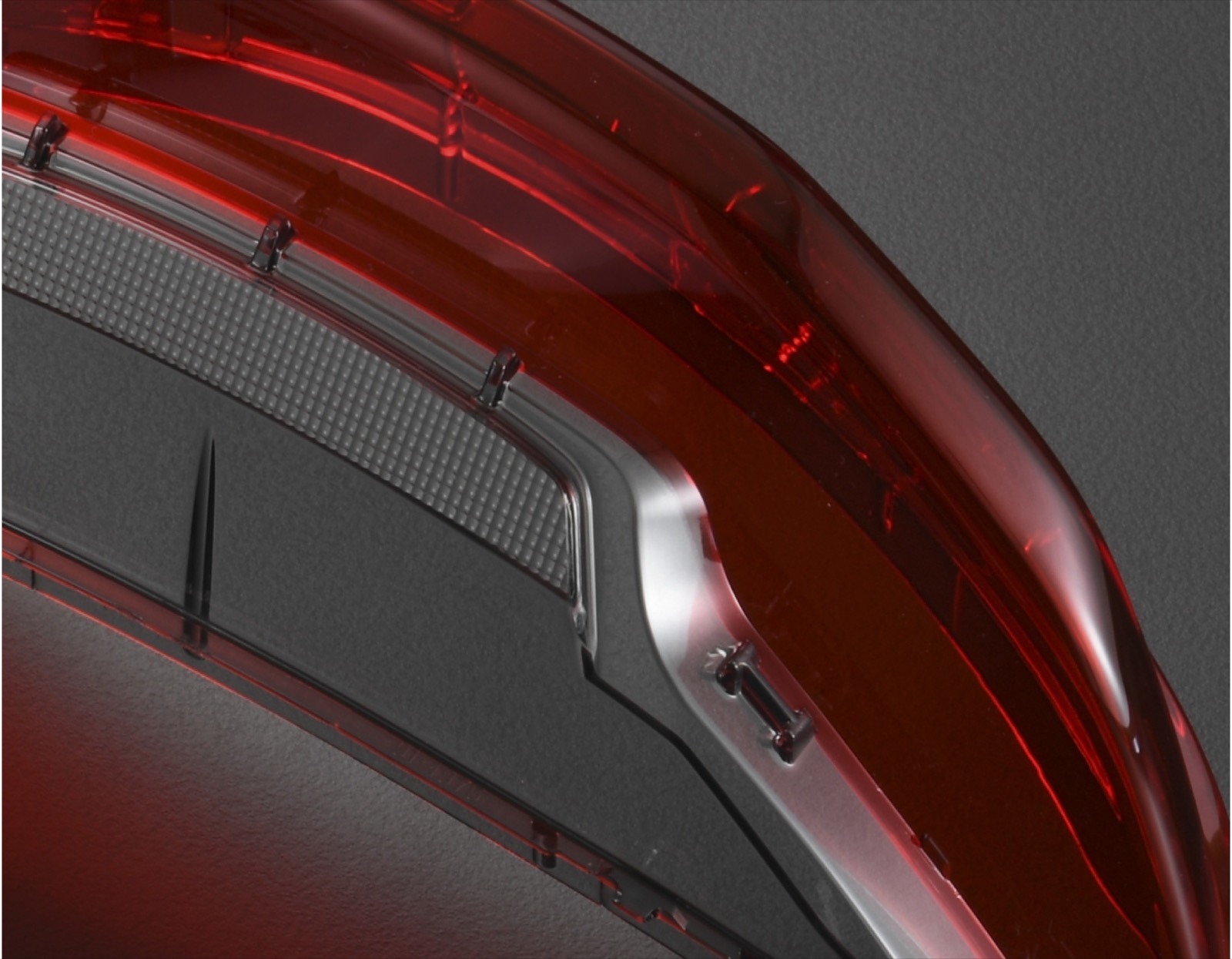
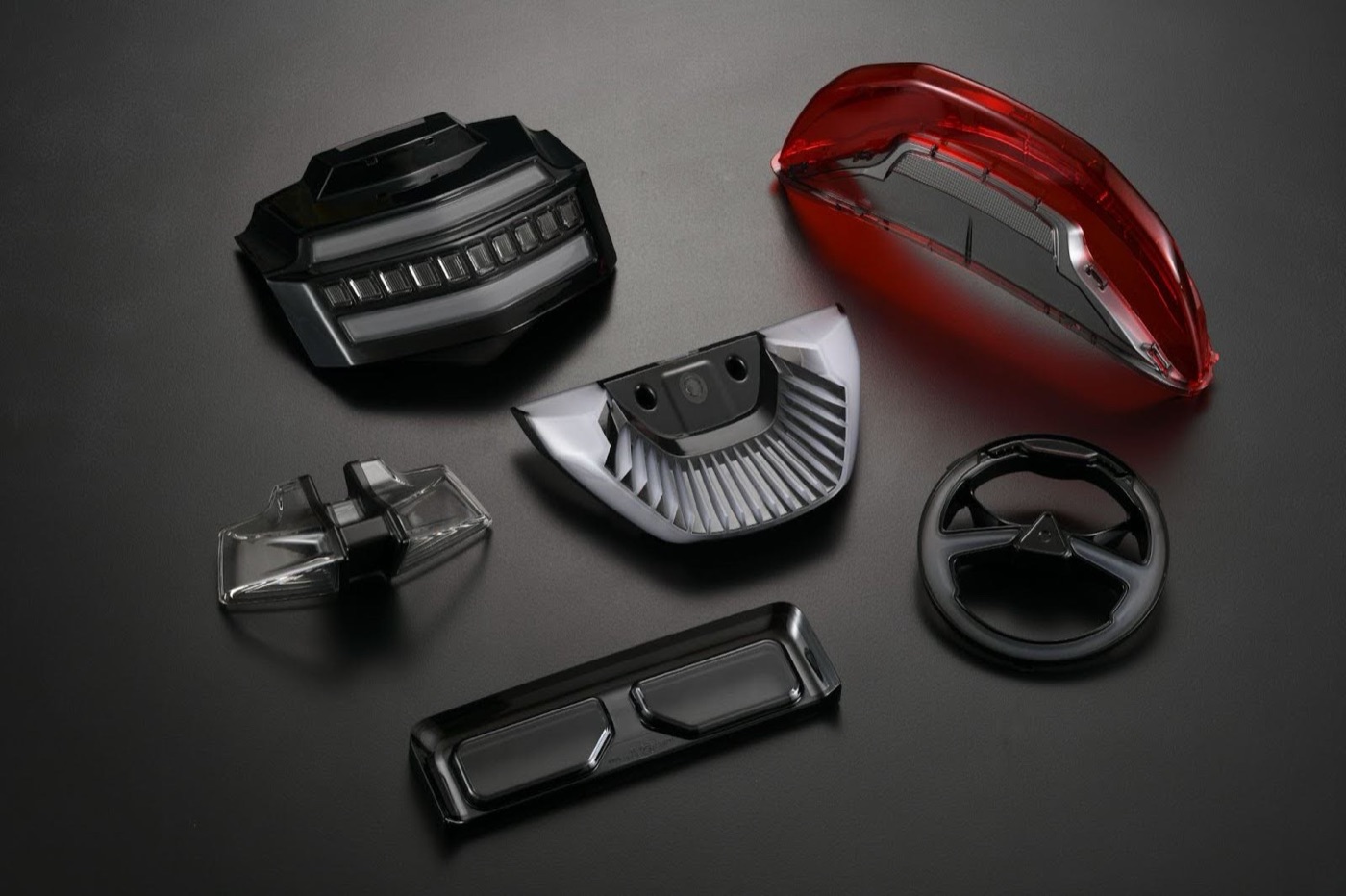
For automotive lighting-related components, the controlled requirements may include visible surfaces, light transmission, haze, gloss, color, weld-line location, dimensional alignment, assembly interfaces, traceability, and customer-specific PPAP evidence. Two-shot molding can be one production route, but the customer must define the optical, appearance, dimensional, environmental, and approval criteria for the actual component.
For medical and device components, multi-material molding can integrate rigid and soft functions, seals, tactile surfaces, fluid-handling interfaces, or color coding. The device owner must define contact classification, exact materials, cleanliness, sterilization exposure, functional tests, packaging, regulatory responsibilities, and validation evidence. A quality-system certificate does not by itself approve a material pair, cleanroom condition, or device application.
Define the evidence before production approval
The qualification plan should follow the risks of both materials and the completed interface. Agree on the production-representative tool, cavities, material lots, process conditions, sample quantities, measurement methods, functional tests, appearance references, records, deviations, and change-notification rules before the approval run.
| Evidence area | What the review should define |
|---|---|
| Materials | Exact grades, color or additive package, certificates or records, preparation, substitutions, and lot traceability |
| Dimensions and appearance | Datums, critical dimensions, conditioning, cosmetic zones, color boundary, flash, inspection method, and acceptance references |
| Interface function | Bond, interlock, sealing, movement, cycling, chemical, environmental, or assembly tests tied to the application |
| Production control | Cavity identification, process window, monitoring, reaction plan, approved changes, retained samples, and release records |
What to send for a two-shot molding review
- Current 3D CAD and controlled 2D drawing with revision and units;
- the function of each material, color, or inserted feature;
- proposed resin grades and any required customer or regulatory specifications;
- marked interfaces, critical dimensions, visible surfaces, and allowable witness areas;
- service environment, mating parts, assembly loads, and functional tests;
- expected annual and lifetime demand, variants, and forecast assumptions;
- required qualification, traceability, submission, and change-control evidence.
LongTeam can compare the route through two-shot molding, insert molding and overmolding, or another production approach. Final material, tooling, process, and capability commitments are confirmed from the actual part and program requirements.