Material interface
The part combines rigid, soft, clear, opaque, sealing, insulating, or inserted functions.
Confirm: Exact grades, interface geometry, service exposure, acceptance test, and production sequence.
Custom plastic injection molding for OEM parts that need one accountable path from DFM and in-house tooling through production, inspection, finishing, and assembly in Taiwan.

Part types, materials and specifications are confirmed for each program.
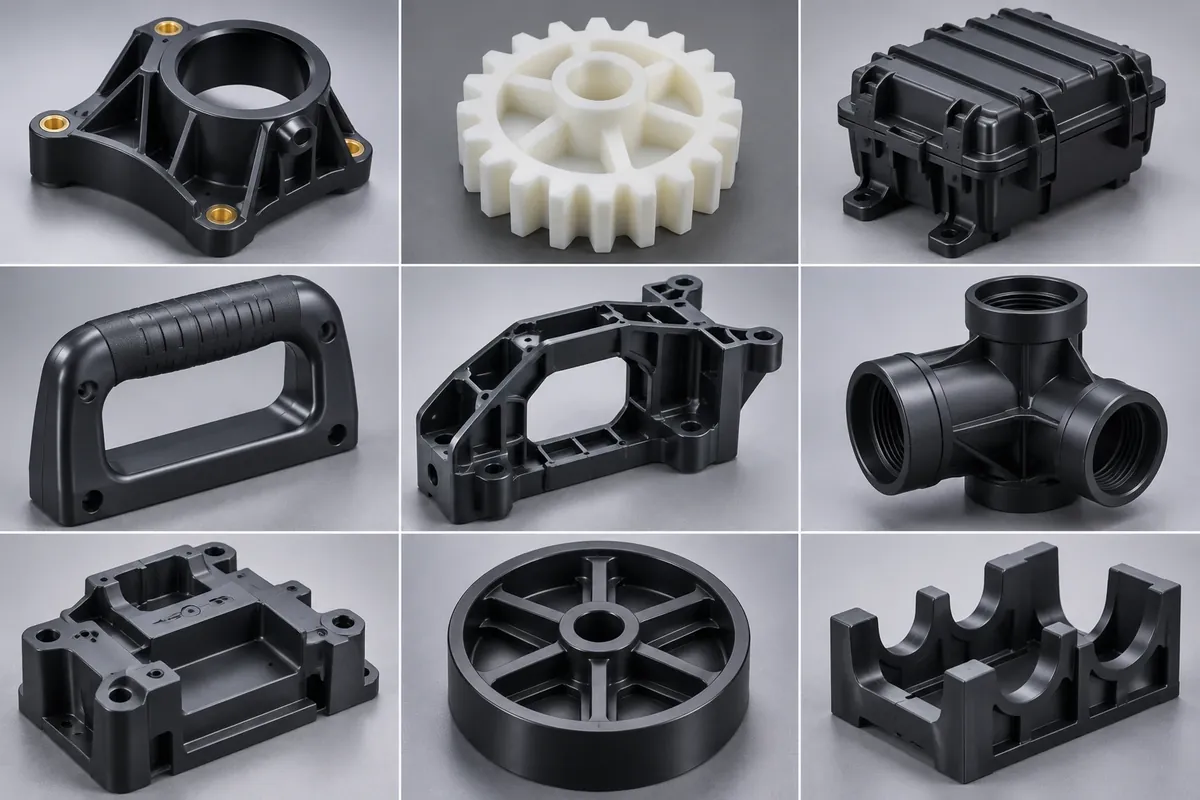
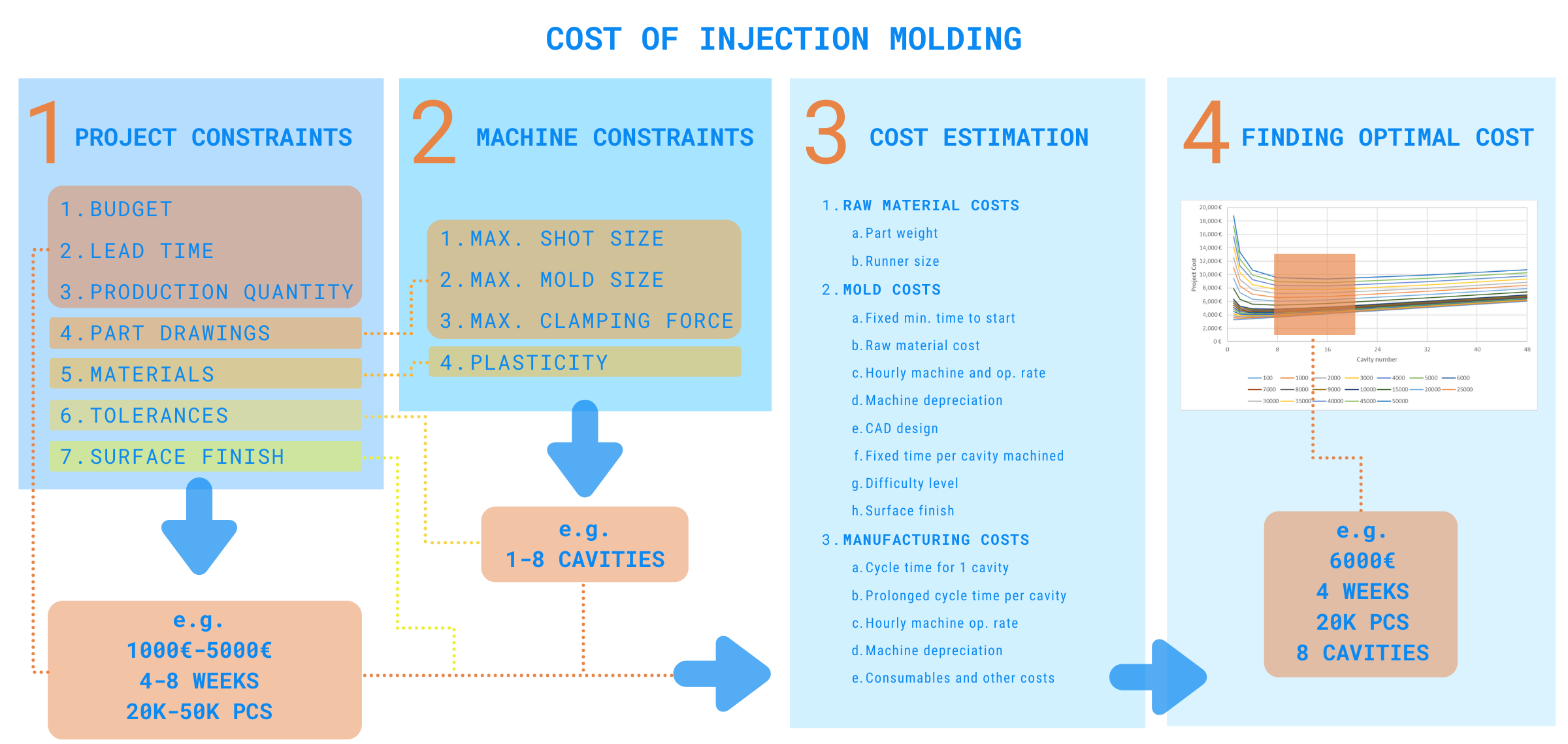
Long Team Industrial can evaluate the molding route around the requirement that carries the most product or qualification risk—not around a generic machine list.
Share the requirement that makes your part difficultThe part combines rigid, soft, clear, opaque, sealing, insulating, or inserted functions.
Confirm: Exact grades, interface geometry, service exposure, acceptance test, and production sequence.
Visible surfaces, light transmission, haze, gloss, color, weld lines, or alignment affect approval.
Confirm: Controlled zones, physical references, gate and flow strategy, handling, and inspection conditions.
The buyer needs automotive, medical-device, dimensional, traceability, or change-control evidence.
Confirm: Customer-specific deliverables, critical characteristics, samples, records, and approval responsibilities.
A useful supplier review starts with the controlled 3D file and drawing, resin requirement, annual demand, critical dimensions, appearance zones, functional tests, documentation, and delivery regions. These inputs determine whether the part fits the proposed mold, press, process, and inspection route.
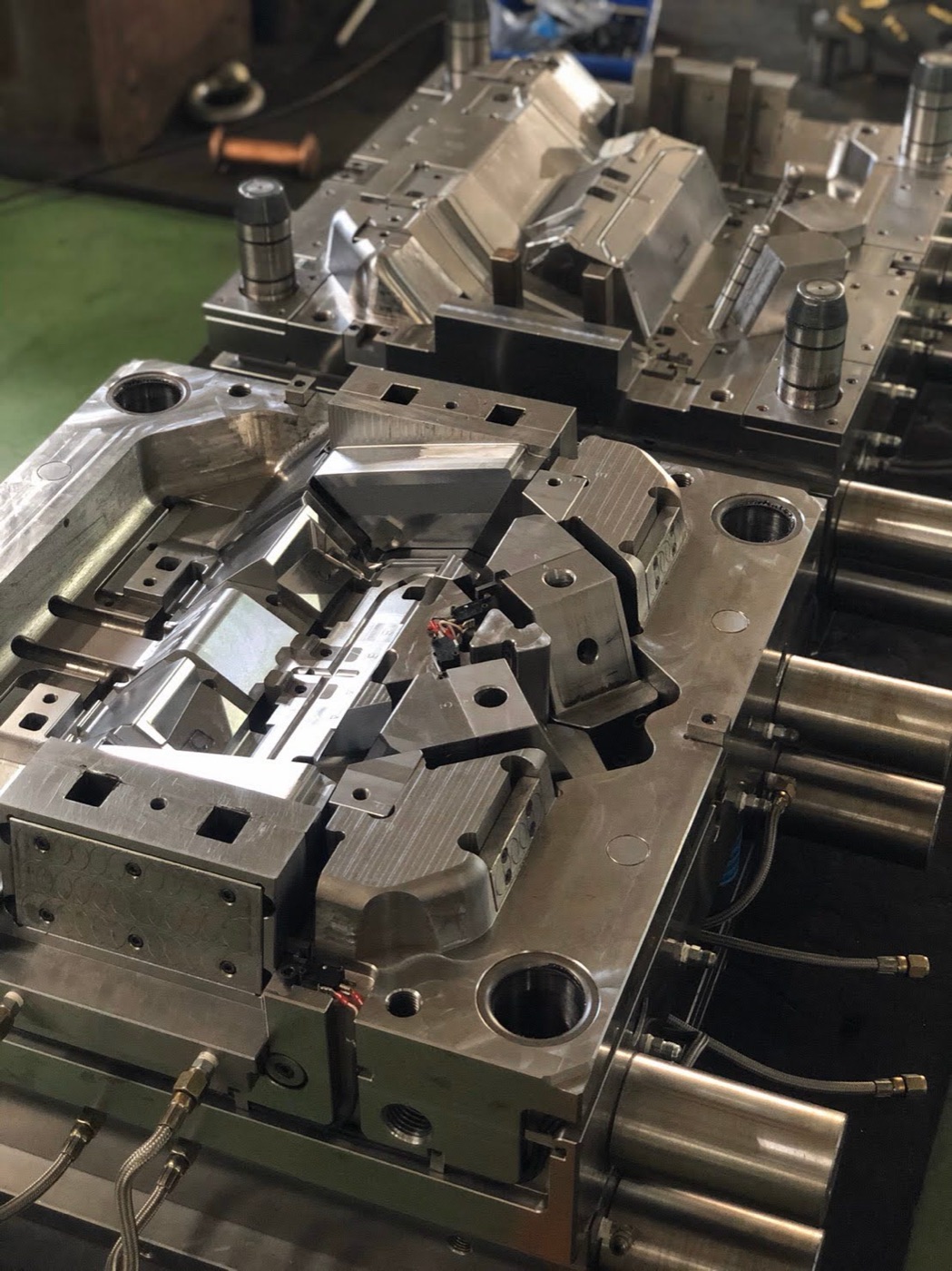
Gate location, cooling, ejection, shrinkage allowance, cavity layout, and steel decisions affect the process window and finished part. Connecting mold manufacturing with production molding keeps trial findings and tooling corrections inside one accountable team.
Long Team Industrial reports an 80–850 tonne injection-molding press range, from small precision components to larger assemblies. Press selection depends on projected area, shot weight, material, wall thickness, and mold size, so the machine and process window are confirmed during DFM instead of being assumed from part size alone.
For high-precision injection molding, a useful specification names the critical dimensions, the tolerance on each, the datum scheme, the measurement method, and the sampling plan. Resin shrinkage, cavity-to-cavity variation, and gauge capability can each use up the tolerance, so Long Team Industrial reviews them with the drawing before tooling release and connects the limits to trial samples and inspection records.
Material interfaces, dimensional fit, molded appearance, light transmission, inserts, sealing, and assembly features each require a defined acceptance method. Long Team Industrial reviews those requirements before tooling release and connects them to trial samples, inspection, and production controls.
Printing, decoration, joining, inserts, purchased components, packaging, and assembly can change datums, surfaces, handling, traceability, and total program risk. Include them in the quotation and engineering review instead of treating them as downstream details.
See how analysis, tooling, and process learning stay connected from review through production. Findings and acceptance criteria are defined for each program.
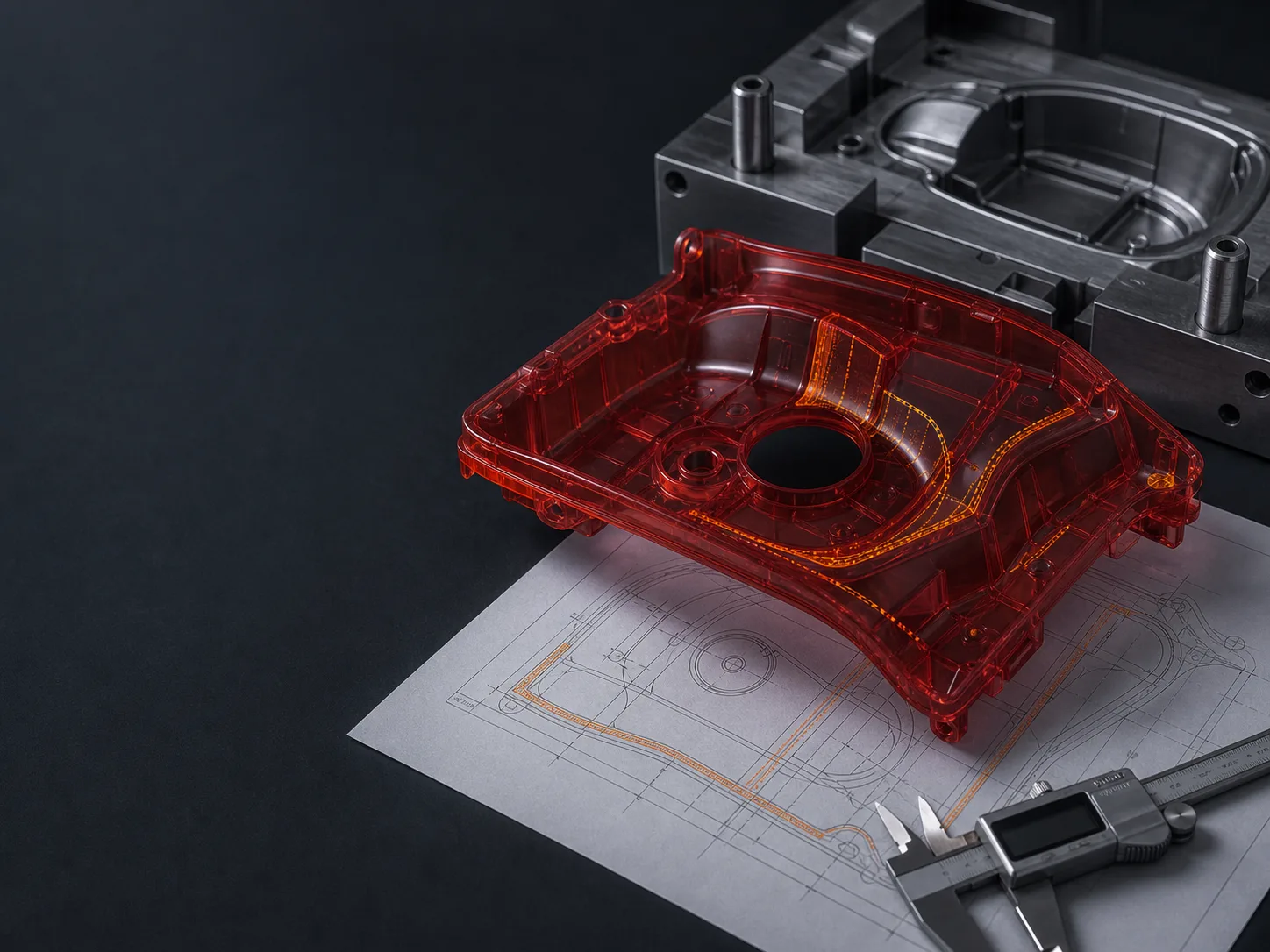
Review geometry, material, gates, ejection, and tooling risks before steel is cut.
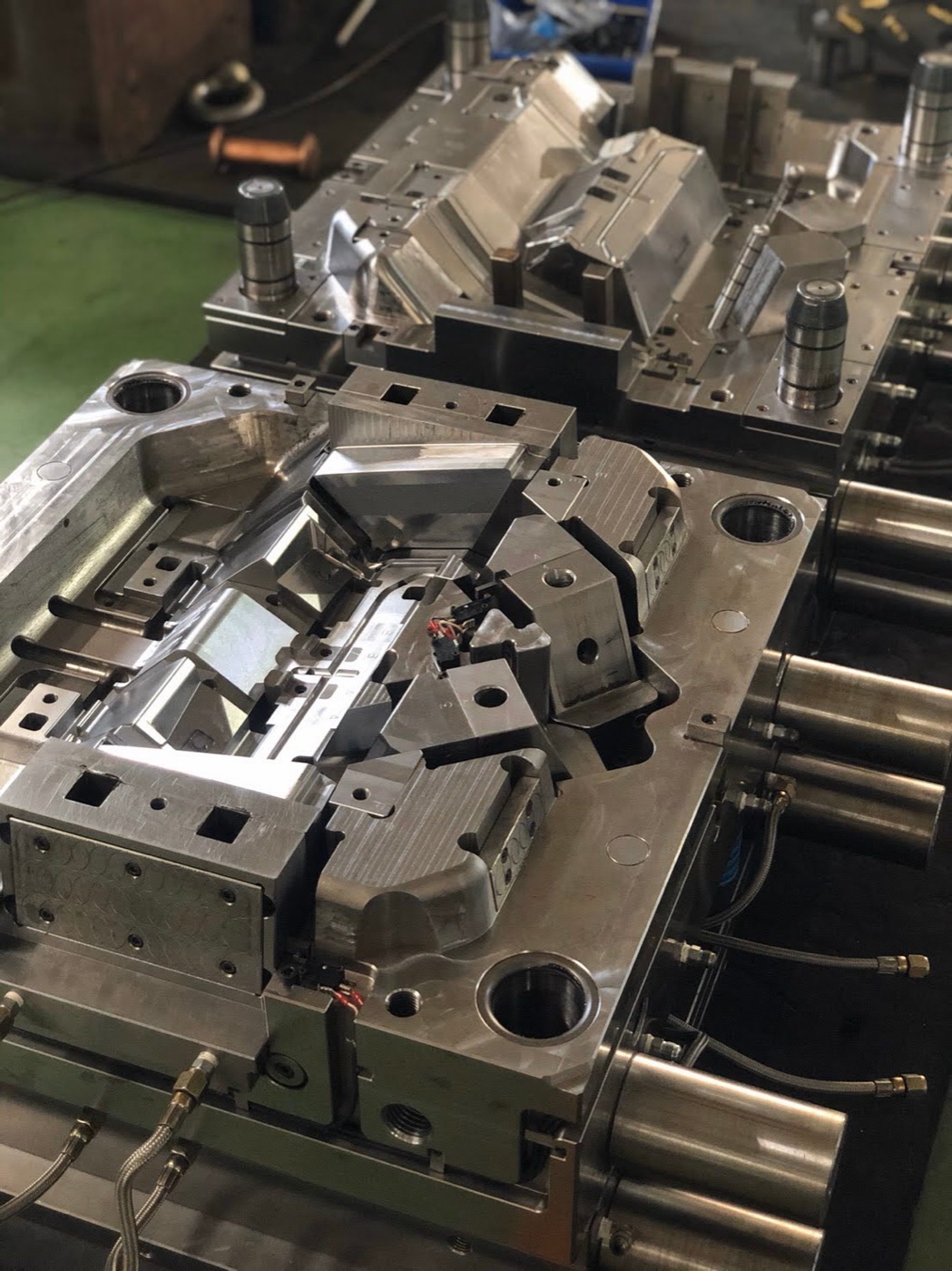
Long Team Industrial injection mold tooling, built to carry engineering decisions into production.
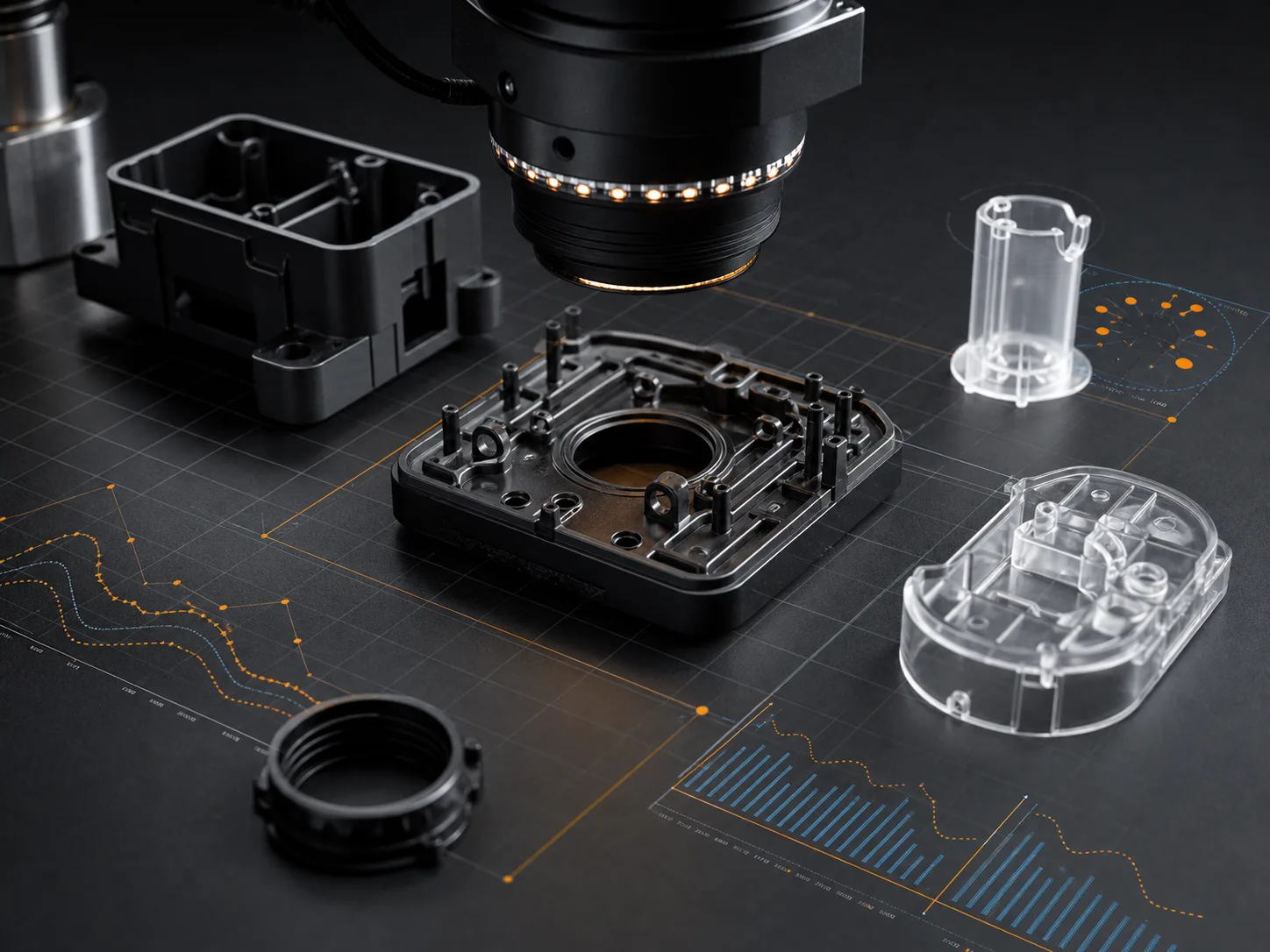
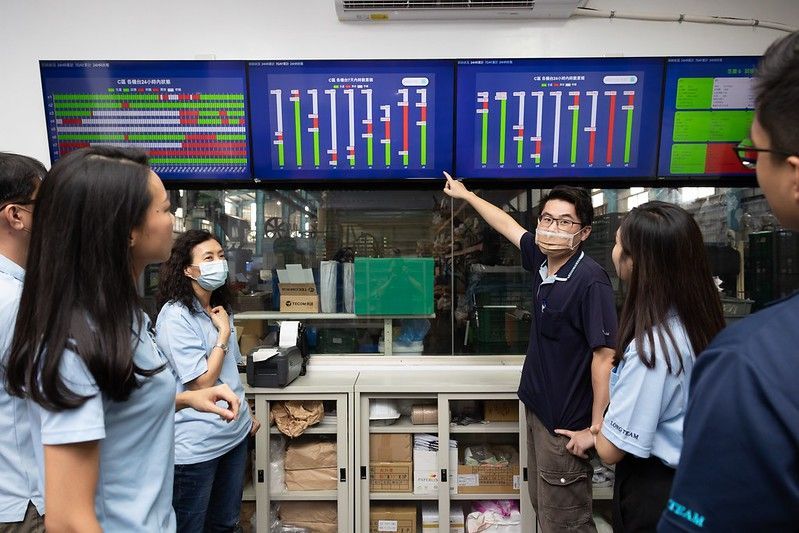
Use dimensional and process data to identify variation and guide engineering decisions.
Share the drawing, material, expected volume, and critical requirements so Long Team Industrial can clarify the project and quotation scope.