Automotive Plastic Injection Molding
IATF 16949-certified injection molding for automotive OEM and Tier 1 programs — from in-house tooling through two-shot production and assembly, built on a quality system designed for PPAP and APQP from Day 1.
- Industry served
- Automotive (OEM & Tier 1) — interior trim, lighting, functional housings
- Automotive certification
- IATF 16949 (verify site scope on current certificate)
- Quality certifications
- ISO 9001, IATF 16949
- Service model
- OEM + ODM one-stop — design → tooling → molding → assembly
- Specialist capability
- Two-shot / 2K (double-shot) molding
- Press range
- 80–850 tonnes
- Tooling
- In-house mold design & tooling, single & multi-cavity
- PPAP capability
- PPAP submission support, with the submission level aligned to your program
Injection Molding Built for Automotive Programs
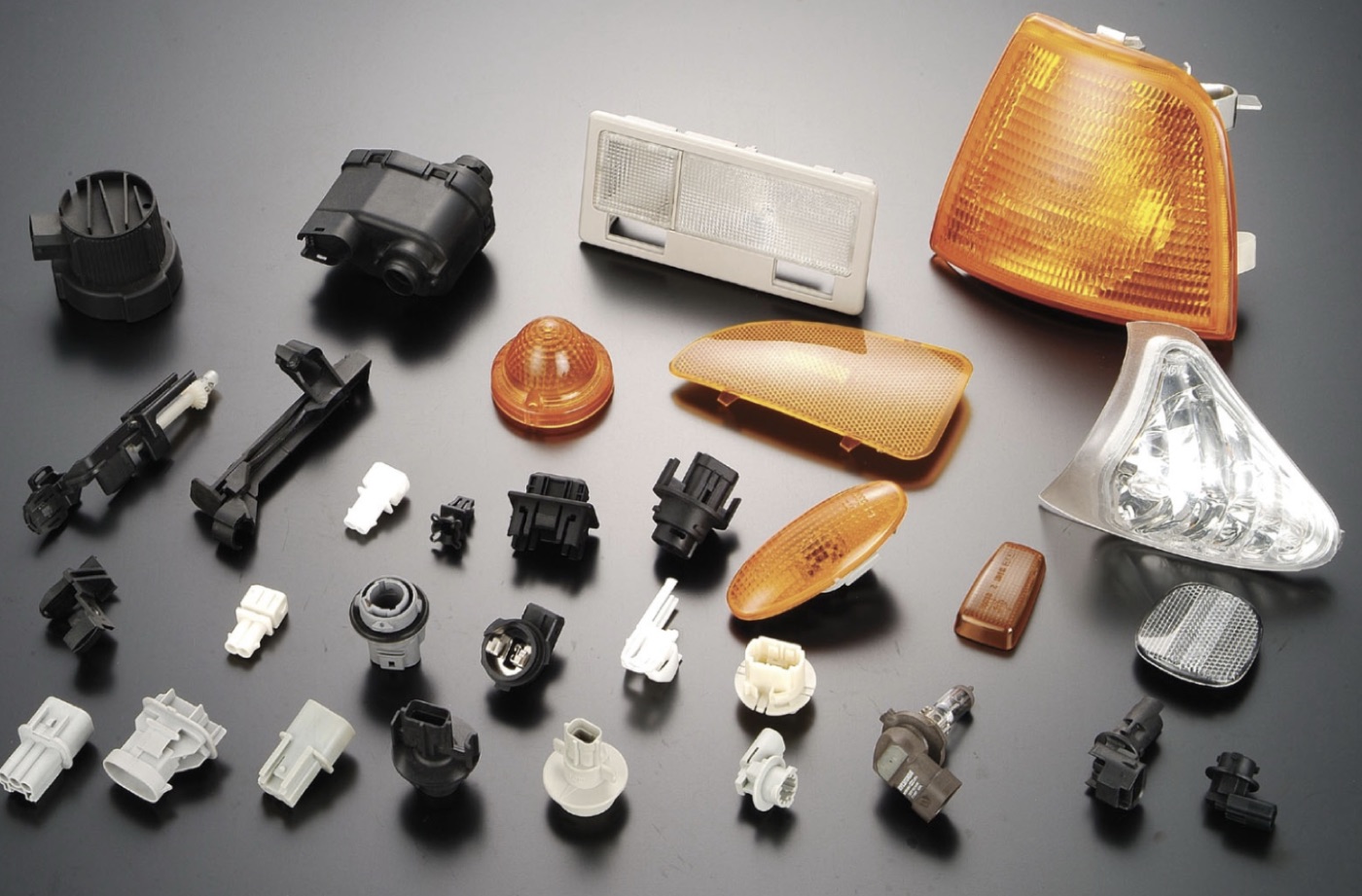
Automotive plastic injection molding produces the interior trim, functional housings, lighting components, and under-hood parts that vehicle programs depend on — at production volumes, with traceability and dimensional consistency that consumer-grade molding does not require. LongTeam serves automotive OEM and Tier 1 buyers as a one-stop OEM/ODM partner: mold design, in-house tooling, injection molding, finishing, and assembly under a single IATF 16949-certified quality system. The result is fewer supplier interfaces, one accountable partner from CAD file to shipped part, and documentation that is generated as a byproduct of production rather than reconstructed under deadline.
IATF 16949 Quality — Engineered In, Not Bolted On
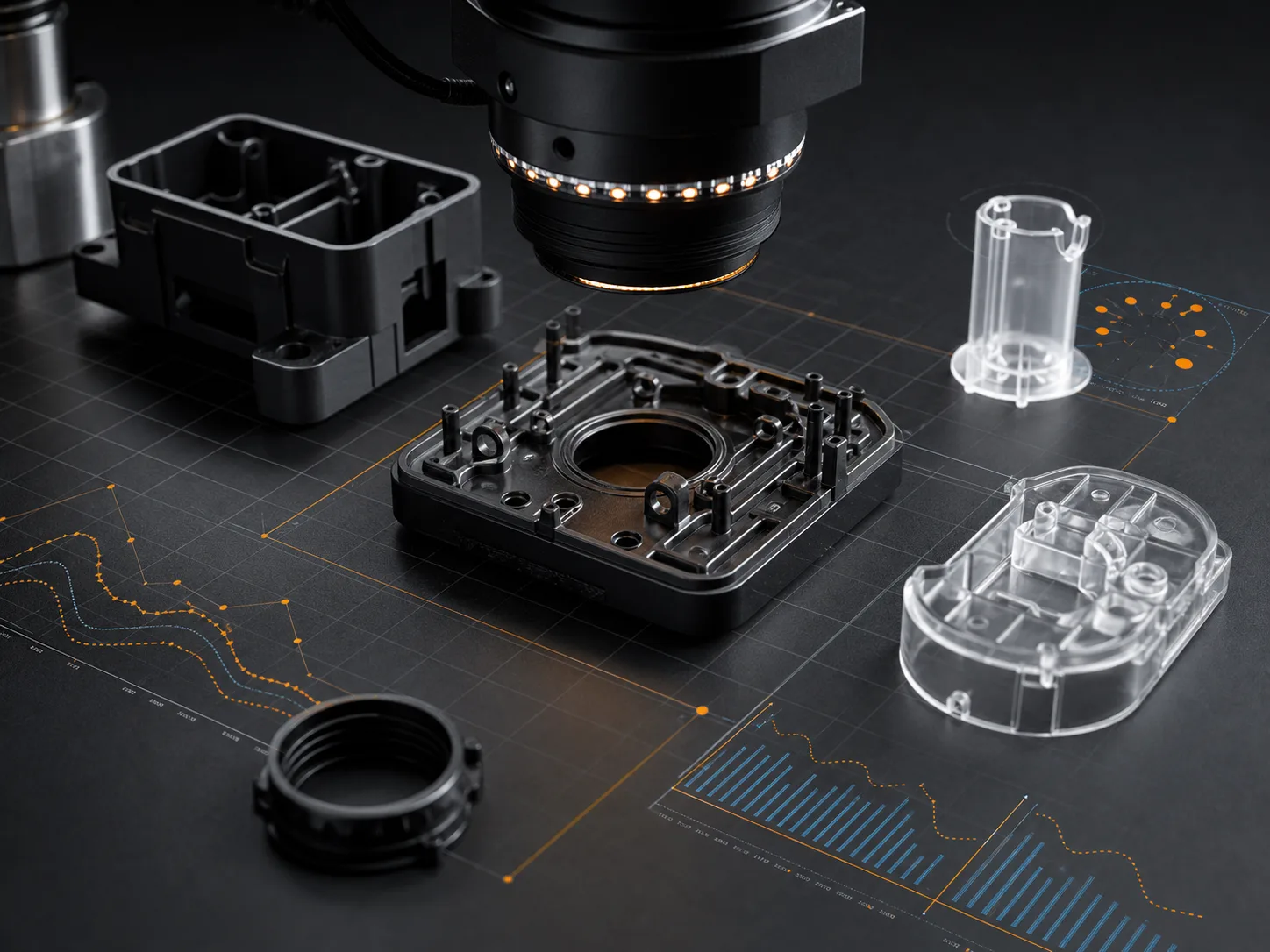
Sourcing decisions for automotive parts hinge on whether a molder's quality system can carry a program through supplier approval without resubmission cycles. LongTeam is certified to both ISO 9001 and IATF 16949 (automotive), so the AIAG core tools are standard procedure on every program, not exceptions requested per part. Our quality team runs APQP from program kick-off and treats PFMEA, Control Plan, MSA, SPC, and PPAP submission as standard deliverables.
- IATF 16949 (automotive) and ISO 9001 certified — verify site scope on the current certificate
- APQP-driven new-program management with PFMEA and Control Plan
- PPAP submission support, with the submission level aligned to your program
- In-process SPC and dimensional inspection for traceable production
Two-Shot (2K) Molding for Integrated Automotive Components
Many automotive parts that once required secondary assembly — soft-touch grips, sealed multi-material housings, multi-color interior trim, and combined rigid/elastomer components — can be molded as a single bonded part in one cycle. As a two-shot (2K) specialist, LongTeam molds two materials in one process with repeatable adhesion, removing an assembly step, a bonding operation, and a tolerance-stack risk from your bill of process. For design engineers, this consolidates part counts and improves the durability of multi-material interfaces over glued or clipped assemblies.
In-House Tooling and a Broad Press Range
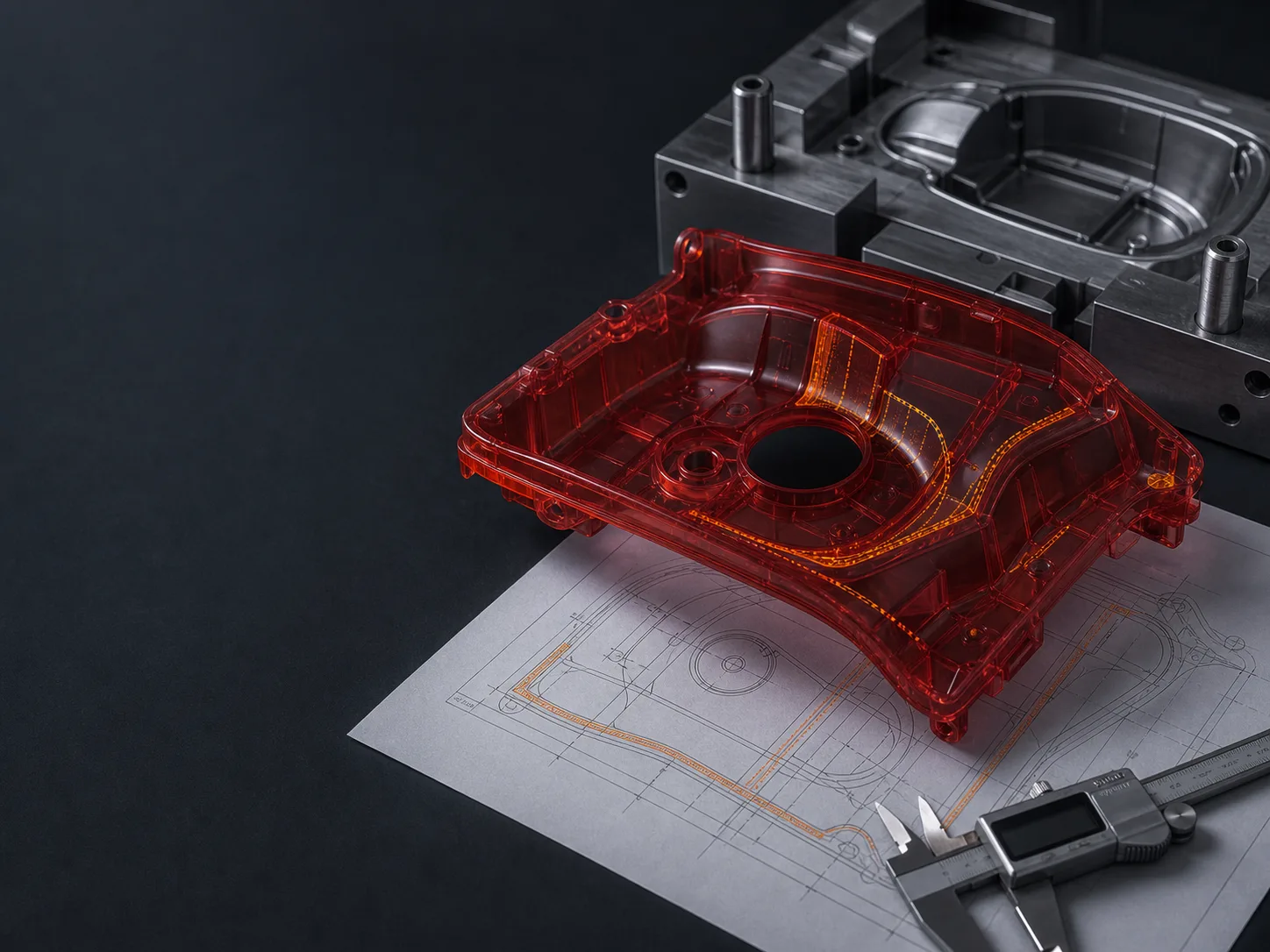
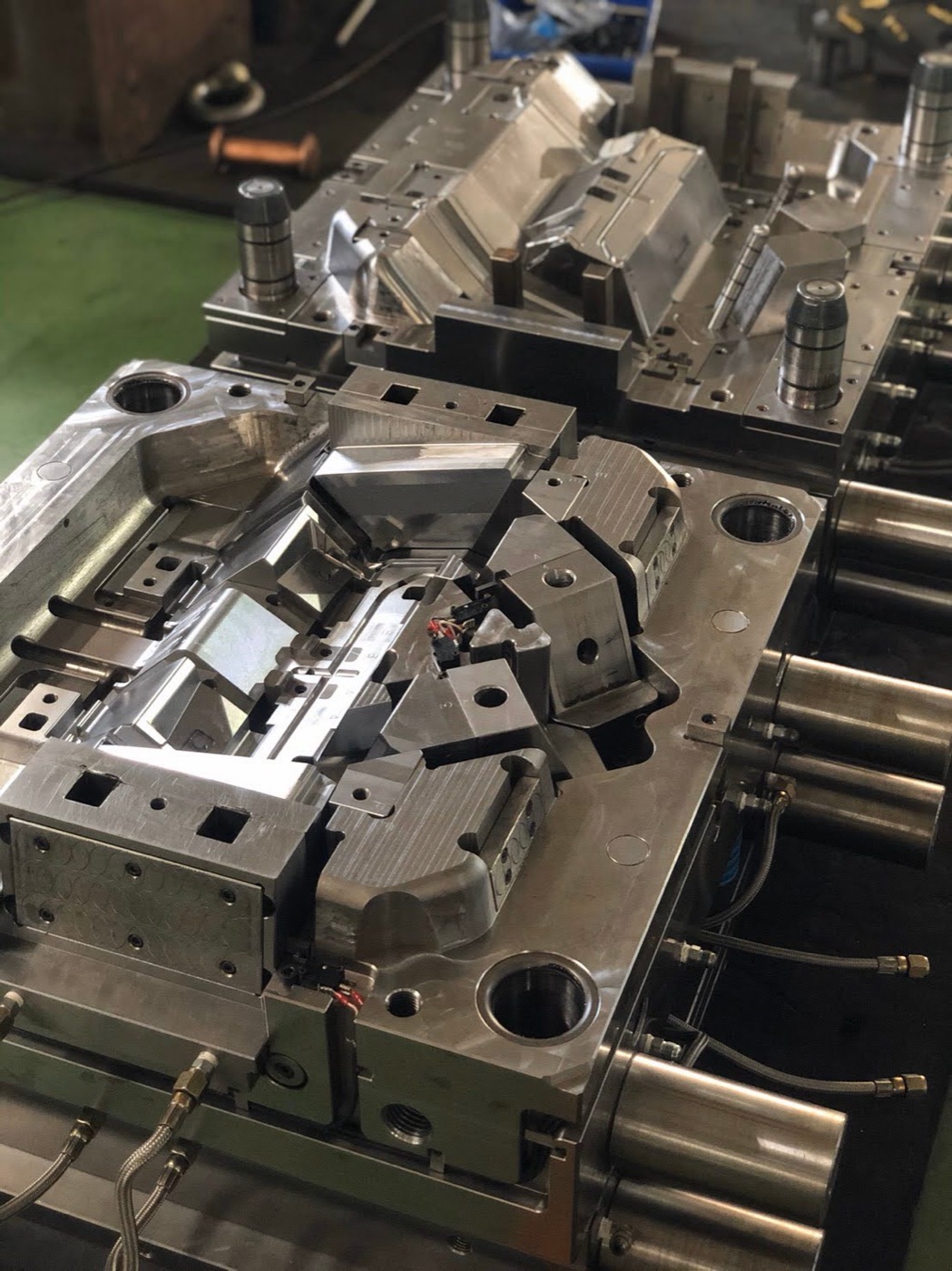
Automotive parts span small precision connectors to large interior and body panels, so tooling and press capacity have to flex with the program. LongTeam designs and builds molds in-house — running DFM review before steel is cut — and operates injection presses from 80 to 850 tonnes, covering small high-precision components through large structural parts. Keeping tooling under the same roof as molding shortens the design-to-validated-steel loop and keeps engineering-change response inside one organization rather than across a tooling vendor and a separate molder.
- In-house mold design and tooling with DFM review
- 80–850 tonne press range — small precision parts to large components
- Single-cavity and multi-cavity tooling
- Engineering and commodity resins across multiple material families (specify your grade per part)
Materials and Finishing for Vehicle Environments
Automotive parts must survive heat, UV, vibration, and chemical exposure, which makes material selection and finishing as critical as the mold itself. LongTeam molds across engineering and commodity resin families and adds in-house post-processing — polishing, printing, coating, and welding — so parts ship finished rather than as bare moldings. Confirm specific resin grades, additive packages (UV, flame-retardant, glass-fill), and finish specifications per part during DFM, as automotive material approvals are program- and OEM-specific.
Frequently asked questions
Related capabilities & industries
Get a free DFM review & quote in 24 hours.
Send a drawing or just describe the part — our engineers will review it and respond within one business day.