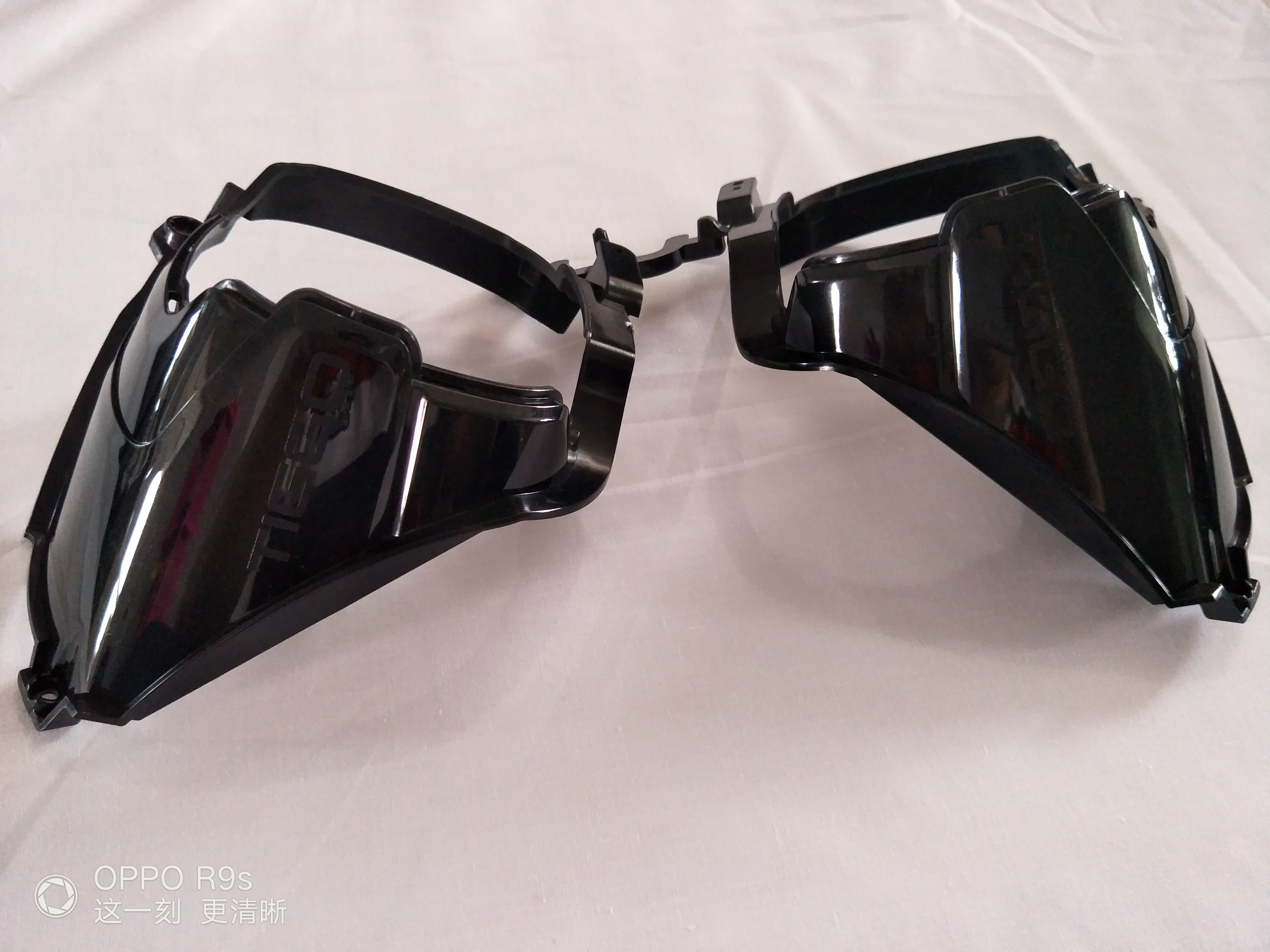
Fit and interfaces
PCB clearances, bosses, snaps, connector openings, seals, displays, or mating parts control acceptance.
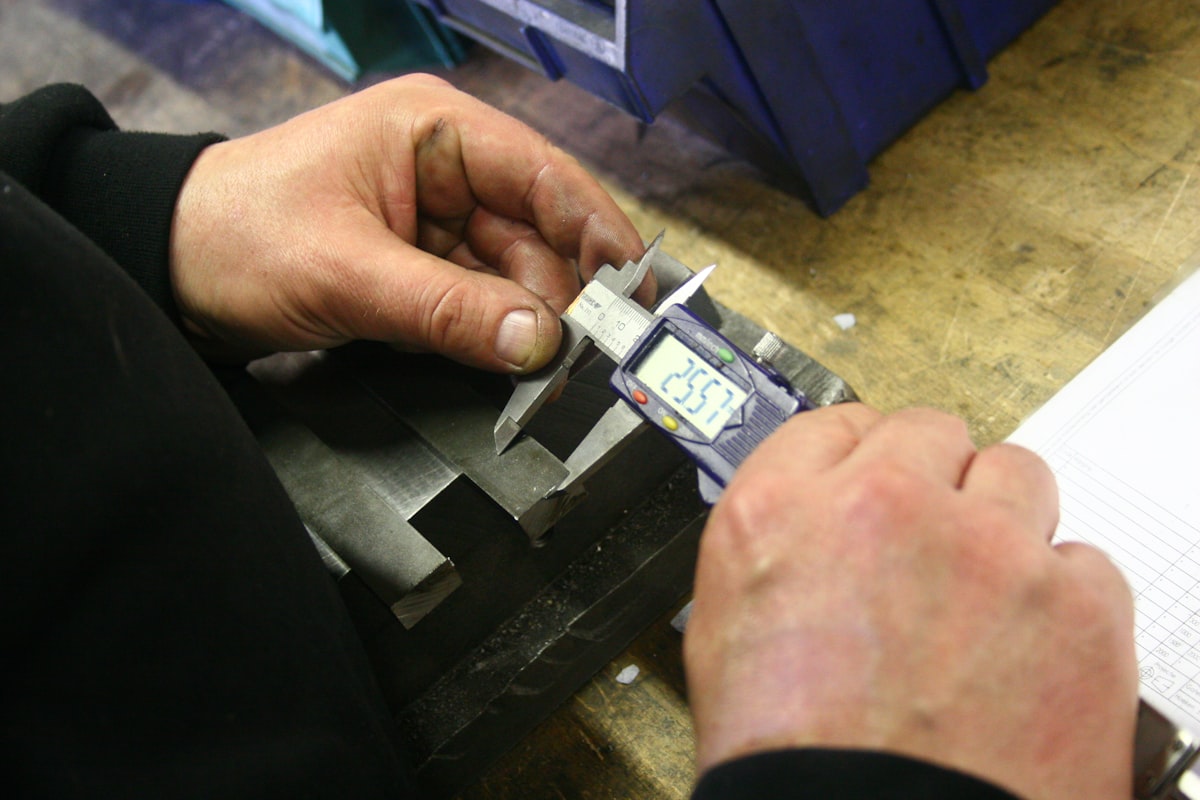
Confirm: Assembly datums, critical dimensions, tolerance stack, warpage limits, fixtures, and functional tests.
Custom injection molding for electronics enclosures, housings, connector components, and assembled plastic parts, with tooling, fit, material, heat, electrical, cosmetic, and qualification requirements reviewed together.
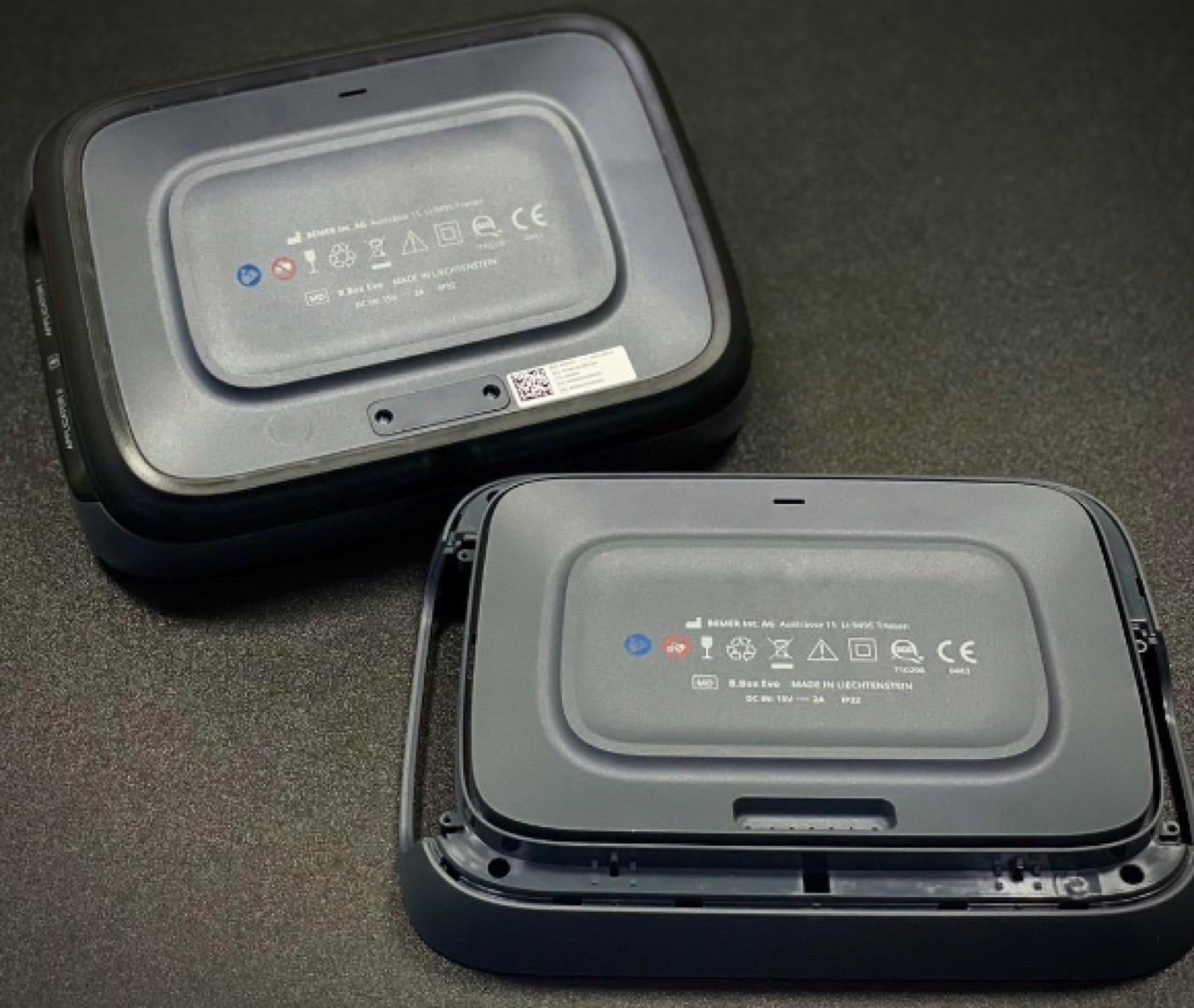
The mold, resin, dimensions, inserts, finish, and assembly plan should be reviewed against the board, connectors, seals, thermal environment, and visible product surfaces.
Share your enclosure and assembly requirementsPCB clearances, bosses, snaps, connector openings, seals, displays, or mating parts control acceptance.
Confirm: Assembly datums, critical dimensions, tolerance stack, warpage limits, fixtures, and functional tests.
Heat, impact, flame, electrical, UV, chemical, color, or shielding performance limits the resin choice.
Confirm: Exact grade, evidence, conditioning, agency requirements, substitution rules, and production handling.
The program includes inserts, decoration, shielding, joining, hardware, packaging, or sub-assembly.
Confirm: Process sequence, protected surfaces, locating features, inspection, traceability, and acceptance at each handoff.
Provide the PCB, mating parts, connectors, fasteners, seals, displays, antennas, thermal paths, and cosmetic requirements so bosses, snaps, openings, walls, and internal clearances can be reviewed in context.
Datums, bosses, snaps, inserts, connector openings, sealing surfaces, wall sections, warpage, and assembly loads should connect to a dimensional and functional test plan.
Heat, impact, electrical performance, flame rating, UV, chemicals, color, shielding, and regulatory requirements should be tied to a proposed grade and supporting evidence. Do not qualify a generic resin family when the program depends on grade-level performance.
Decoration, shielding, molded-in inserts, hardware, joining, inspection, cleaning, packaging, and sub-assembly influence tool design and production controls. Including them in the supplier review helps prevent fit and handling problems from appearing after the mold is approved.
See how analysis, tooling, and process learning stay connected from review through production. Findings and acceptance criteria are defined for each program.
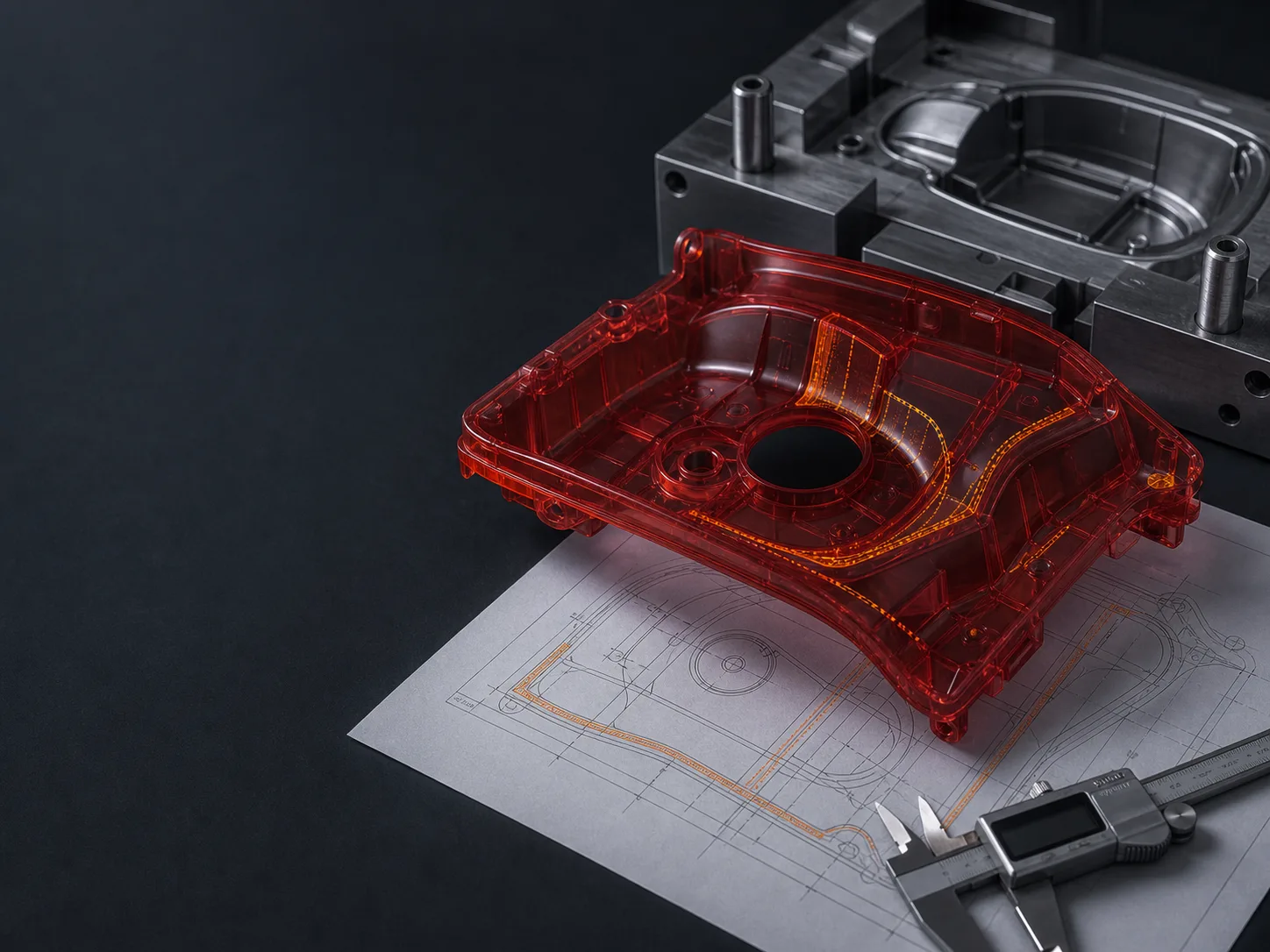
Review geometry, material, gates, ejection, and tooling risks before steel is cut.
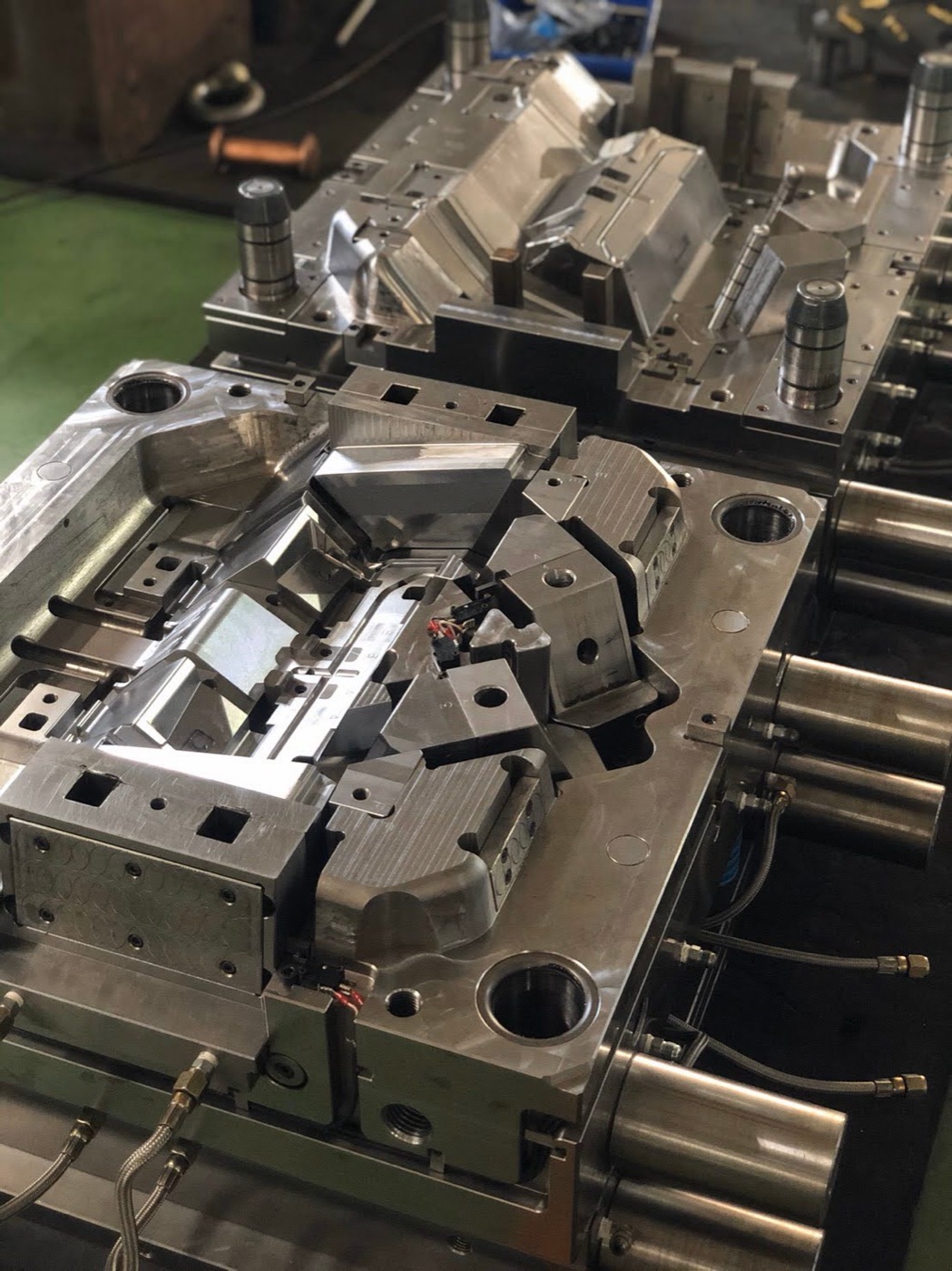
LongTeam injection mold tooling, built to carry engineering decisions into production.
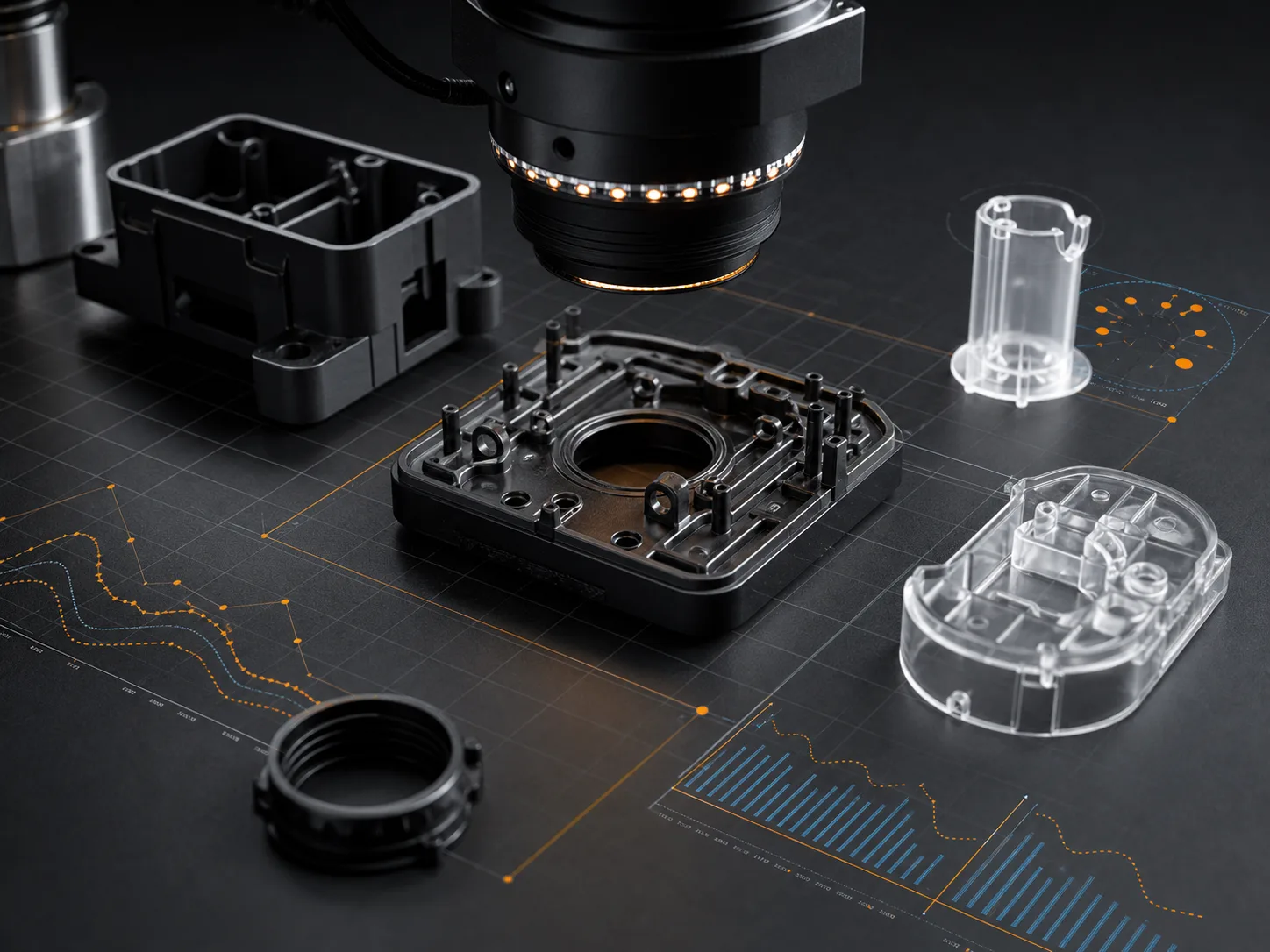
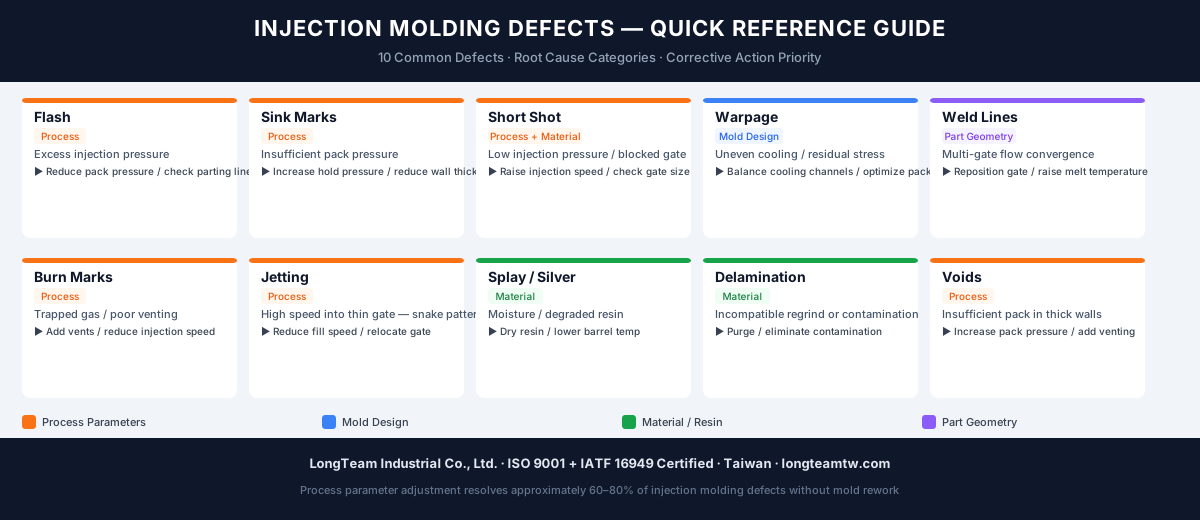
Use dimensional and process data to identify variation and guide engineering decisions.
Share the drawing, material, expected volume, and critical requirements so LongTeam can clarify the project and quotation scope.