What matters most
- Start with controlled files, resin, demand, appearance, critical dimensions, tests, and documentation.
- Agree on cavity count, parting line, actions, runner, cooling, ejection, steel, and replaceable components.
- Define trial objectives, sample quantities, inspection, process development, and change records.
Review the mold as a lifecycle investment
Evaluate the technical choice together with part requirements, tooling consequences, production controls, and the evidence required for approval.
Requirements
Start with controlled files, resin, demand, appearance, critical dimensions, tests, and documentation.
Architecture
Agree on cavity count, parting line, actions, runner, cooling, ejection, steel, and replaceable components.
Trials
Define trial objectives, sample quantities, inspection, process development, and change records.
Ownership
Document tool ownership, storage, maintenance, modifications, spares, and transfer rights.
Technical guide
The sections below retain the detailed design, tooling, process, and quality context needed to evaluate this topic beyond the summary.
Complete Teaching Manual for Companies Wanting to Understand Mold Manufacturing
This comprehensive guide will walk you through the 6 essential keys to successful mold development, helping you make informed decisions and avoid costly mistakes in your manufacturing journey.
1 Why is the Mold the Critical First Step to Product Success?
For any brand planning to develop plastic products, the mold is absolutely the cornerstone of the entire manufacturing process. A good mold ensures stable, precise, and high-quality finished products.
However, many companies often feel pressured when initially facing mold development—not just because of cost, but because the technical threshold seems high and the terminology is difficult to understand.
Key insight: Injection mold quality depends on connected design, tooling, process, and inspection decisions. Clarifying those decisions early supports a reviewable production-quality plan.
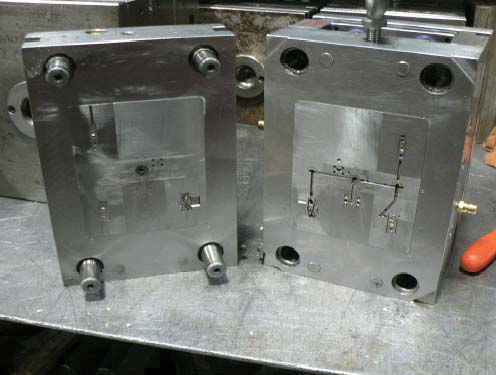
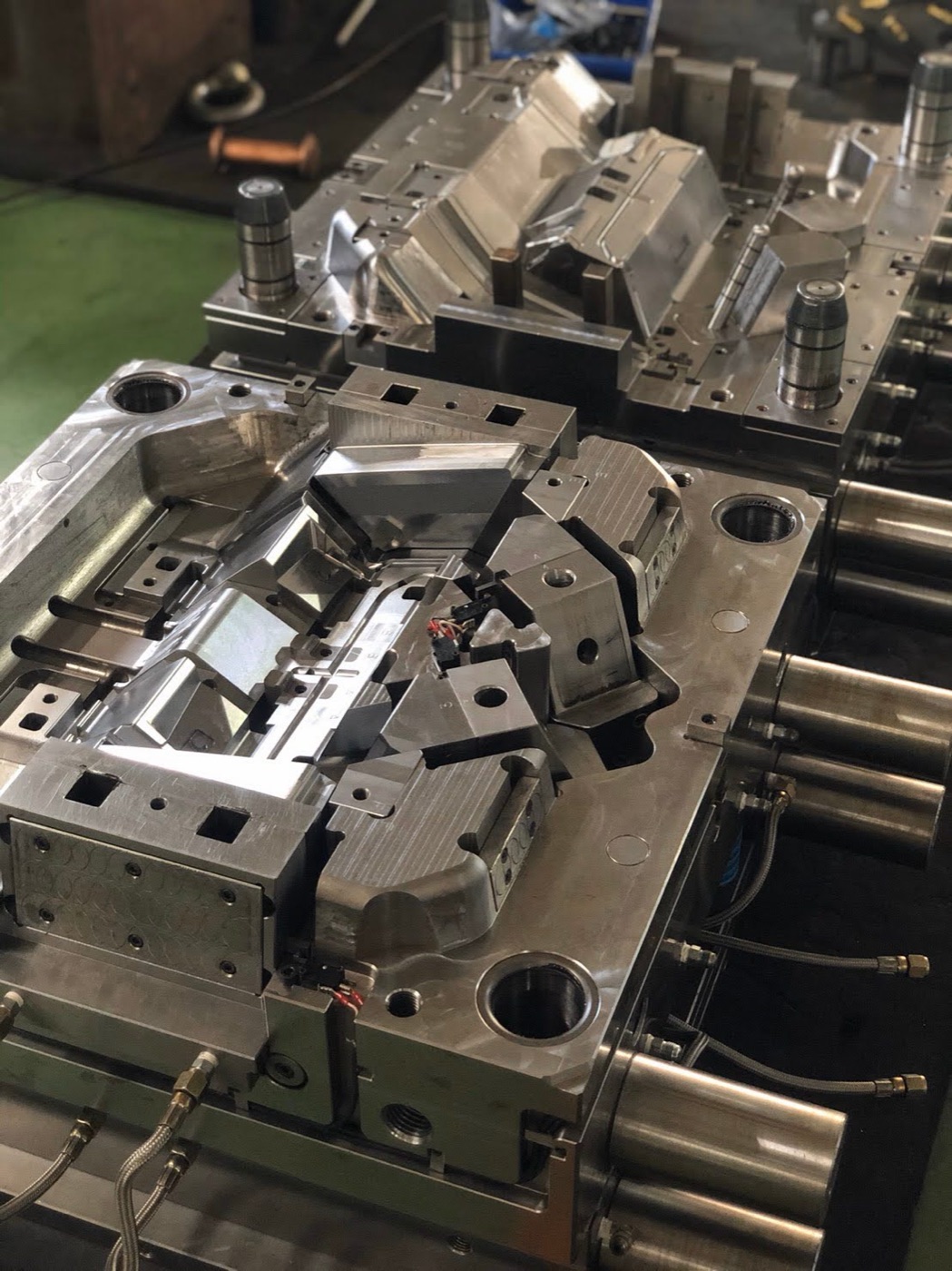
2 Understanding Injection Mold Structure: Core Components from Scratch
A good mold is not simply about "creating a shape." It's a sophisticated mechanical system that typically includes:
Core and Cavity
Shapes the most core form of the product, requiring precise design based on shrinkage rate and draft angles.
Cooling System
Key to mold temperature reduction, affecting molding cycle and dimensional stability.
Runner and Gate Design
Determines the efficiency of plastic flow and the position of weld lines.
Ejection Mechanism
(such as lifters, slides, ejector pins) Ensures smooth product ejection without white marks or deformation.
Important Warning
Many entry-level brands often overlook these details, leading to subsequent modification costs far exceeding expectations. Early communication with professional teams can prevent future problems.
3 Mold Cost and Transparent Pricing: What Lies Behind the Price?
Some companies are accustomed to "bargaining as soon as they open their mouths," but overlook that molds are not commodities but highly customized engineering projects.
Factors Affecting Mold Pricing:
Investment Insight
Each of these elements involves precision machining, wear resistance, and molding stability. Good molds, although requiring slightly higher initial investment, result in fewer repairs, lower scrap rates, and higher product consistency in long-term use, ultimately saving more money.
4 Preparation Before Design: The More Complete the Information, the Faster You Enter Implementation
If you're developing plastic products for the first time, here's a list of information you can prepare in advance to help with efficient communication with mold manufacturers:
3D/2D Files
STEP/IGS files or 2D engineering drawings
Production Volume
Product purpose and expected annual production volume
Material Type
Plastic material type for molding (ABS, PC, TPE)
Special Requirements
Appearance or fitting requirements (transparency, threads, fasteners)
Timeline
Expected delivery time and sample quote needs
Communication Tip
Clear communication will significantly shorten project initiation time and avoid the cost burden of repeated drawing modifications.
5 Behind High-Quality Molds: Key Choices in Steel and Processing Precision
Molds are one-time investments with long-term returns. Choosing appropriate mold steel directly affects mold lifespan and maintenance frequency.
S136 Steel
Best for: Transparent parts or high-mirror polishing requirements
Properties: Excellent surface finish, corrosion resistance
NAK80 Steel
Best for: General production molds
Properties: Excellent machinability, good wear resistance
H13 Steel
Best for: High-pressure injection parts
Properties: High temperature and wear resistance
Precision Requirements
Beyond steel, processing equipment and experience are factors that cannot be ignored. High-precision CNC, EDM processing, and quality control systems ensure mold errors are controlled within 0.01mm, guaranteeing product consistency and durability.
6 Choosing the Right Partner: Let Professional Teams Oversee Every Detail
Mold manufacturing shouldn't make you feel difficult and uneasy. As long as you choose the right partner, this is a path that can steadily grow brand value.
LongTeam Industrial Co., Ltd. - Your Trusted Partner
We understand the time, quality, and cost balance that brands care about most, and we're willing to use transparent and honest communication to help you confidently take the first step in product development.
Conclusion
Plastic injection mold manufacturing is no longer an obscure engineering discipline, but a strategic process that can be planned, controlled, and even create competitive advantages.
We hope this guide can unveil the outline of the mold world for you and help you find truly reliable partners. If you're looking for a trustworthy team, feel free to chat with us. We're happy to understand your product blueprint and turn creativity into reality together.
Ready to Start Your Mold Development Journey?
Don't let mold development challenges hold back your product success. Partner with LongTeam and work with an integrated tooling and molding team founded in 1989.
What to confirm before supplier review
Use the drawing, material specification, expected demand, application conditions, and acceptance requirements to turn a general process discussion into a program-specific review.
- Which program inputs control the tool design?
- What is included in the quoted mold scope?
- How are trials, changes, and acceptance documented?
- Who owns, maintains, and may transfer the tool?
Continue the engineering review
Use the related guides and capability pages to connect this topic to part geometry, tooling, molding, and qualification decisions.