What matters most
- Customer-specific requirements control the submission level, evidence, sample quantities, and approval path.
- Drawing characteristics should connect to PFMEA, the control plan, measurement methods, and production records.
- Documentation should be planned before tooling and trials rather than assembled after production is ready.
Build one traceable qualification path
The strongest program connects each requirement to a process risk, control, measurement method, responsible owner, and retained record.
Scope
Confirm the customer-specific submission requirements and the applicable drawing revision.
Risk
Link design and process risks to prevention, detection, and reaction controls.
Measurement
Agree on gages, methods, capability expectations, and data format for critical characteristics.
Change control
Define how material, tool, process, site, and supplier changes will be reviewed.
Technical guide
The sections below retain the detailed design, tooling, process, and quality context needed to evaluate this topic beyond the summary.
Key Takeaways
- 1 The PPAP reference identifies 18 potential elements across five submission levels. The customer defines the submission level, customer-specific requirements, and which records the supplier submits or retains.
- 2 Missing, inconsistent, or unapproved evidence can delay a Part Submission Warrant. The schedule and commercial impact are program-specific, so acceptance criteria should be agreed before tooling begins.
- 3 APQP organizes planning, product design, process design, validation, and feedback. PPAP evidence is assembled during product and process validation; timing depends on tooling, testing, customer review, and corrective-action scope.
- 4 IATF 16949 certification provides a quality-management framework; approval timing still depends on customer requirements, program risk, and the submitted evidence. Buyers should verify the certificate site and scope, then contract the required PPAP deliverables.
This guide explains how PPAP and APQP fit together, what evidence may be requested for an injection-molded automotive part, and which scope questions procurement and supplier-quality teams should settle before tooling begins. Customer-specific requirements always control the final submission.
What PPAP Is — and Why Evidence Completeness Matters
The Production Part Approval Process (PPAP) is used to show that the supplier understands the customer’s engineering requirements and that the planned production process can make conforming parts. The governing references and customer-specific requirements should be confirmed from the Automotive Industry Action Group (AIAG), the customer, and the applicable IATF oversight source.
The PPAP reference describes 18 potential elements, including design records, process-flow and risk-analysis documents, measurement-system studies, initial process studies, material or performance-test records, sample parts, and the Part Submission Warrant. Not every customer requests the same package. The practical risk is inconsistency: the drawing, PFMEA, control plan, measurement method, capability evidence, and warrant must describe the same approved product and process revision.

The five submission levels determine how much documentation a customer requires at initial sample approval:
| Level | What the Customer Receives | Typical Use Case |
|---|---|---|
| Level 1 | Part Submission Warrant (PSW) only | Low-risk, non-critical parts with established supplier history |
| Level 2 | PSW + product samples + limited supporting data | Standard commercial parts with moderate risk profile |
| Level 3 | PSW + samples + complete data package (all 18 elements) | Commonly requested for a complete initial submission; customer direction controls |
| Level 4 | PSW + customer-defined subset of elements | Specific OEM requirements outside standard levels |
| Level 5 | Complete data package reviewed at the supplier’s facility | Critical parts requiring on-site OEM SQE review |
APQP: The Five Phases That Lead to a Successful PPAP
Advanced Product Quality Planning (APQP) is a structured method for moving a program from customer requirements through product and process design, validation, launch, and feedback. PPAP is not a standalone document exercise: its evidence is built from the decisions and records created throughout APQP. A defensible schedule is program-specific and should account for tooling complexity, material and performance testing, measurement-system preparation, production trials, customer review, and corrective actions.
| Phase | Key Activities | Core Deliverables for Injection Molding |
|---|---|---|
| 1 — Planning | Review customer drawings; confirm feasibility; define quality targets | Feasibility commitment, preliminary BOM, customer-specific requirements matrix |
| 2 — Product Design | DFMEA; DFM review; mold design inputs; material qualification | Design FMEA, design records, engineering change documents |
| 3 — Process Design | Process flow diagram; PFMEA; control plan; work instructions | Process FMEA, Control Plan, process flow diagram, packaging specifications |
| 4 — Validation | T1/T2 mold trials; dimensional layout; SPC; Gage R&R; PPAP submission | Customer-required PPAP evidence, production sample parts, Part Submission Warrant |
| 5 — Launch & Support | Production monitoring; SPC charts; corrective actions; supplier scorecards | Updated control plan, ongoing SPC data, reaction plans |
For procurement teams, the useful question is not whether a supplier owns a template. Ask how the supplier links process flow, PFMEA, control-plan controls, work instructions, gauges, sampling, reaction plans, and revision control. IATF 16949 certification is relevant evidence of a quality-management framework, but the current certificate, manufacturing-site scope, customer-specific requirements, and program deliverables still need direct verification.
What IATF 16949 Certification Does — and Does Not — Prove
A current IATF 16949 certificate can support supplier qualification by showing that a named site and scope were audited against an automotive quality-management standard. It does not prove that a specific part is capable, that every requested PPAP record is included in the quotation, or that the customer will approve the first submission. Those conclusions require program-specific evidence.
| Evidence to Verify | Question to Ask | Program Decision |
|---|---|---|
| Current certificate | Does the certificate identify the manufacturing site and relevant scope? | Confirm validity and scope during supplier qualification |
| Customer-specific requirements | Which OEM or Tier requirements supplement the base PPAP reference? | List applicable requirements in the quotation and quality plan |
| Submission level and evidence | Which records are submitted, retained, or reviewed on site? | Agree the deliverable list and approval authority before tooling |
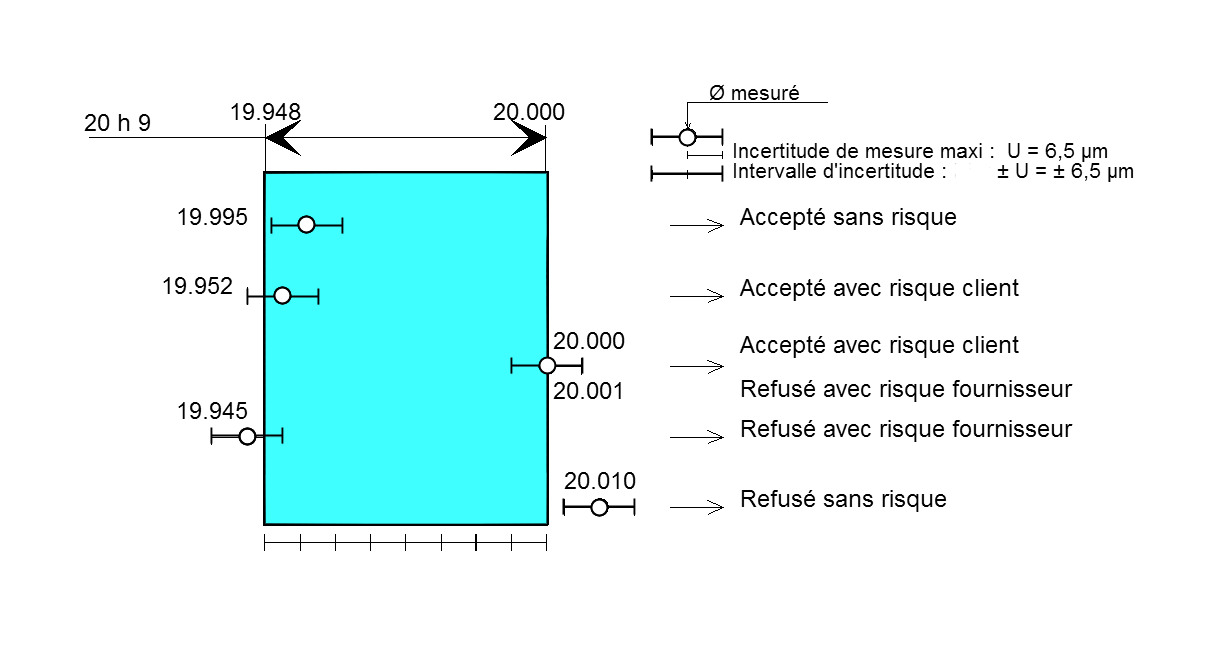
| Measurement and capability plan | Which characteristics, gauges, sample sizes, and acceptance criteria apply? | Document customer-approved methods and thresholds |
| Material and test records | Which resin, regulatory, laboratory, and performance records are required? | Assign sources, revision control, and approval timing |
| Change and resubmission rules | Which product or process changes require notification or resubmission? | Define change control, notification, and production-hold authority |
This evidence-based comparison avoids assuming that certification alone predicts approval speed. The buyer still needs a current certificate, a scoped deliverable matrix, and part-specific process evidence. The supplier should identify exclusions and dependencies before the purchase order, not during submission review.
Pre-PPAP Checklist: What to Ask Your Injection Molding Supplier
Before awarding a new injection-molded automotive part to a supplier, procurement and SQE teams should verify the following capabilities upfront rather than discovering gaps during the submission review:
- IATF 16949 certification scope — confirm the specific manufacturing site and product scope on the certificate, not just a parent-company holding
- PFMEA format compliance — does the supplier use the AIAG-VDA harmonized FMEA standard (mandatory since 2022 for many OEMs)?
- Live SPC capability — can the supplier provide Cp/Cpk data from T1 trials in real time, not just a point-in-time snapshot at submission?
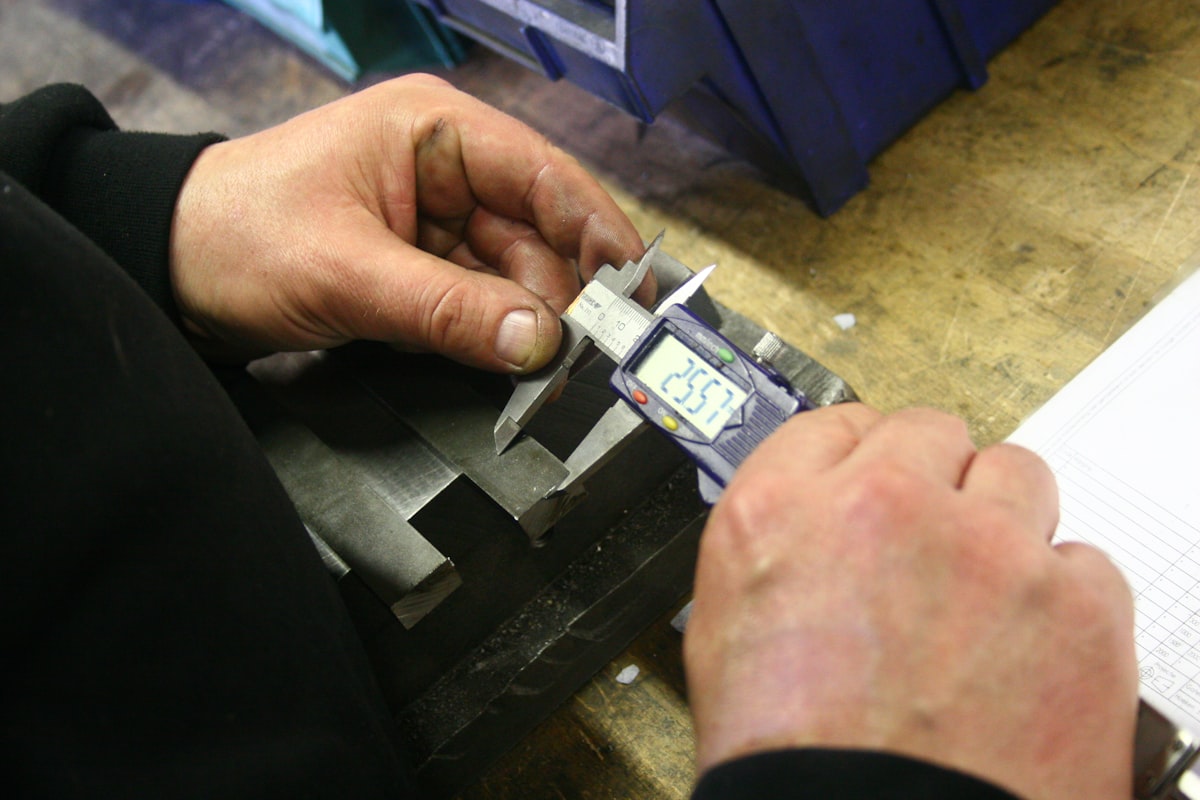
- MSA experience for plastics — has the supplier performed Gage R&R studies for injection-molded critical dimensions including weld line positions, sink marks, and gate-area measurements?
- PPAP submission history — request evidence of Level 3 PSW approvals from existing automotive customers in the same product family
- ECN change process — how does the supplier manage engineering change notices that trigger PPAP resubmissions without disrupting production shipments?
Documented answers make supplier comparisons more reliable and expose gaps before they affect tooling or validation. First-pass approval still depends on the customer’s requirements, the part risk, the production process, and the quality of the submitted evidence.
Need a PPAP-Capable Injection Mold Supplier?
LongTeam Industrial is IATF 16949 certified. During qualification, request the current certificate and confirm its site and scope. For a specific automotive program, LongTeam will review the customer requirements and identify the APQP and PPAP deliverables, responsibilities, timing, and exclusions in the agreed project scope.
Discuss Your PPAP Requirements →What to confirm before supplier review
Use the drawing, material specification, expected demand, application conditions, and acceptance requirements to turn a general process discussion into a program-specific review.
- Which PPAP elements and submission level does the customer require?
- Which characteristics are special, critical, or subject to capability reporting?
- What production run and sampling conditions will support approval?
- Who approves deviations and engineering changes?
Standards and source context
Confirm the current revision and the customer-specific requirements that apply to the program.
Continue the engineering review
Use the related guides and capability pages to connect this topic to part geometry, tooling, molding, and qualification decisions.