Automotive lighting guides.
Practical answers for design engineers and sourcing teams—from early DFM decisions to tooling, validation, and production readiness.
Use this library to
Compare options, identify manufacturing risk, and prepare a more useful supplier review.
Showing the automotive lighting guides. See them grouped by stage
All articles
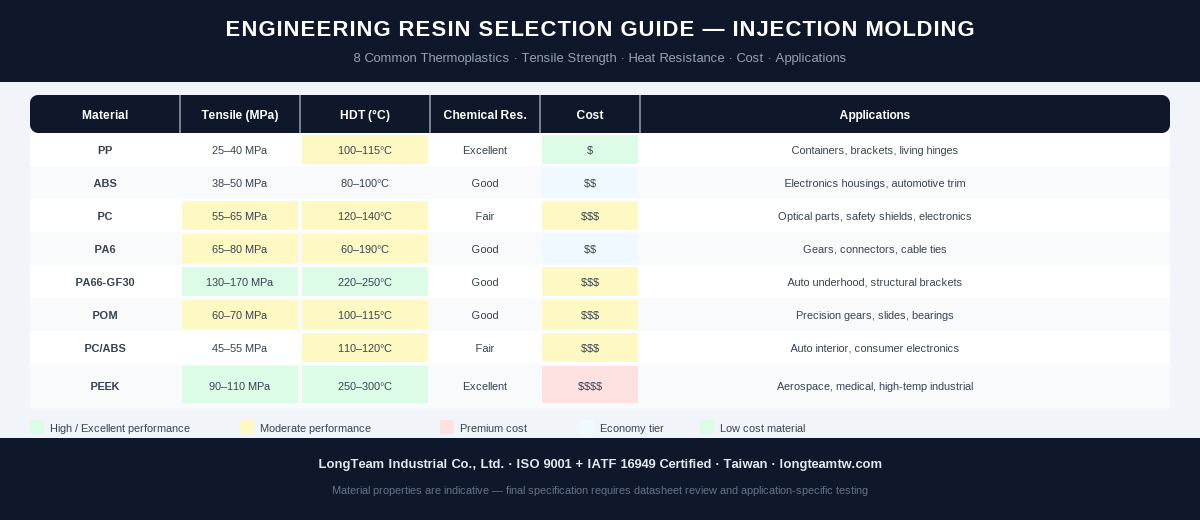
PC vs PMMA for Automotive Lighting Lenses: How to Choose
Pick PC or PMMA for each lamp part by the duty it must survive, then settle the pairing and the interface before tooling.
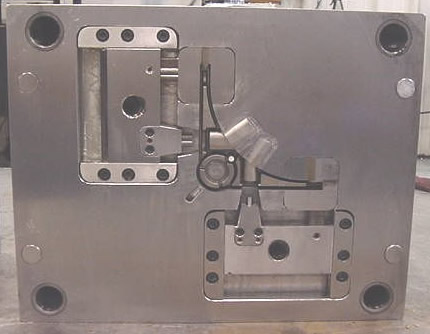
Automotive Lamp Mold Design: Lens, Reflector and Housing
Review lens, reflector and housing tools separately because each is judged by a different surface and function requirement.
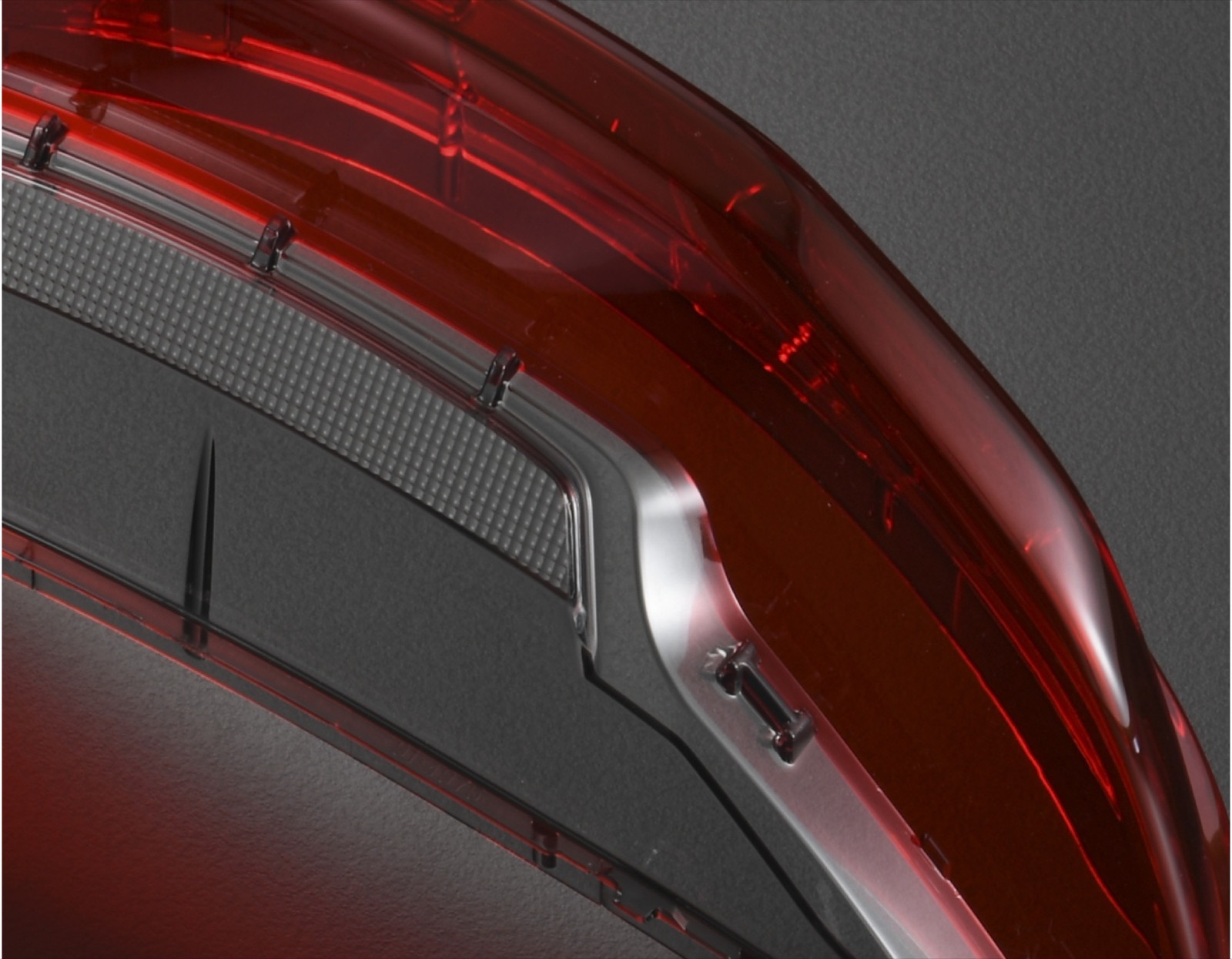
Two-Shot Tail Lamps: How 2K and 3K Lamp Parts Are Built
Choose a two-shot or three-shot route only when a molded boundary removes parts, joints or manual steps that matter to the lamp.
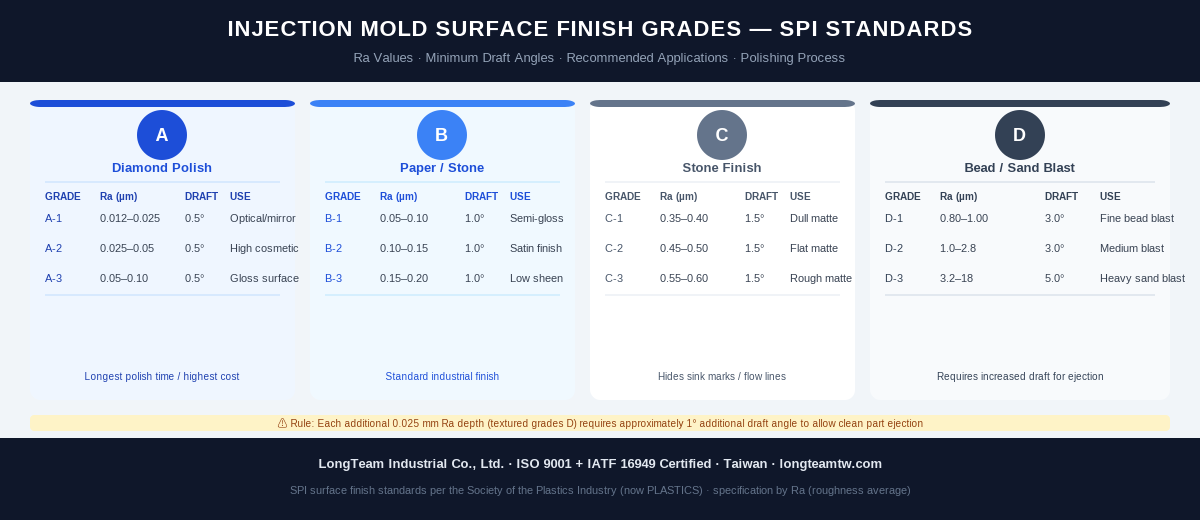
Draft Angle and Texture on Clear Lamp Surfaces
State the surface type and the required draft on every clear or cosmetic lamp face so the mold can release without marking it.
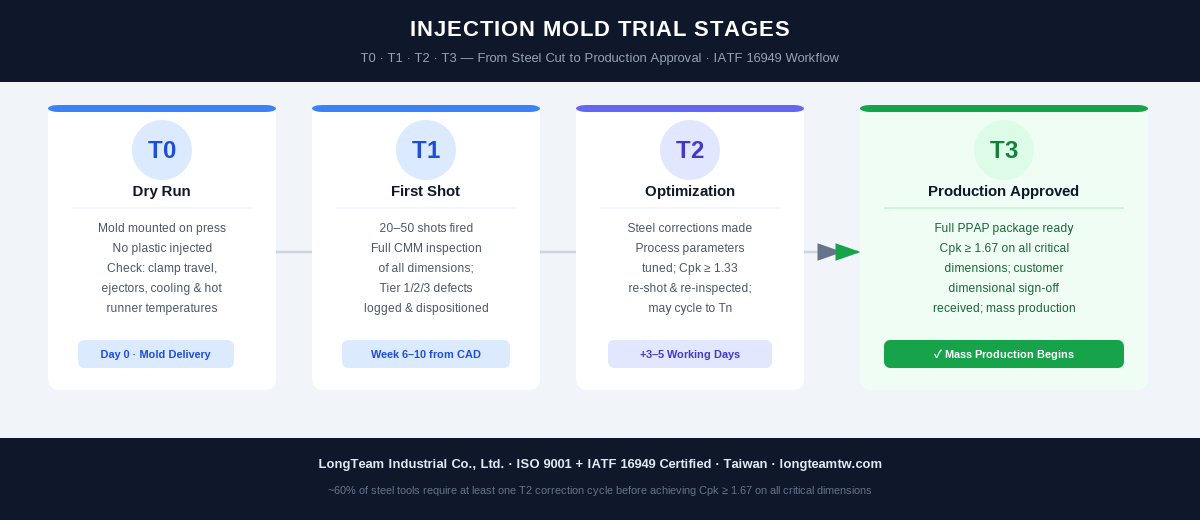
Lamp Mold Trials: A T0/T1 Sign-Off Checklist
Run lamp trials against a pre-agreed cosmetic and dimensional standard and finish each with a recorded decision and fix list.
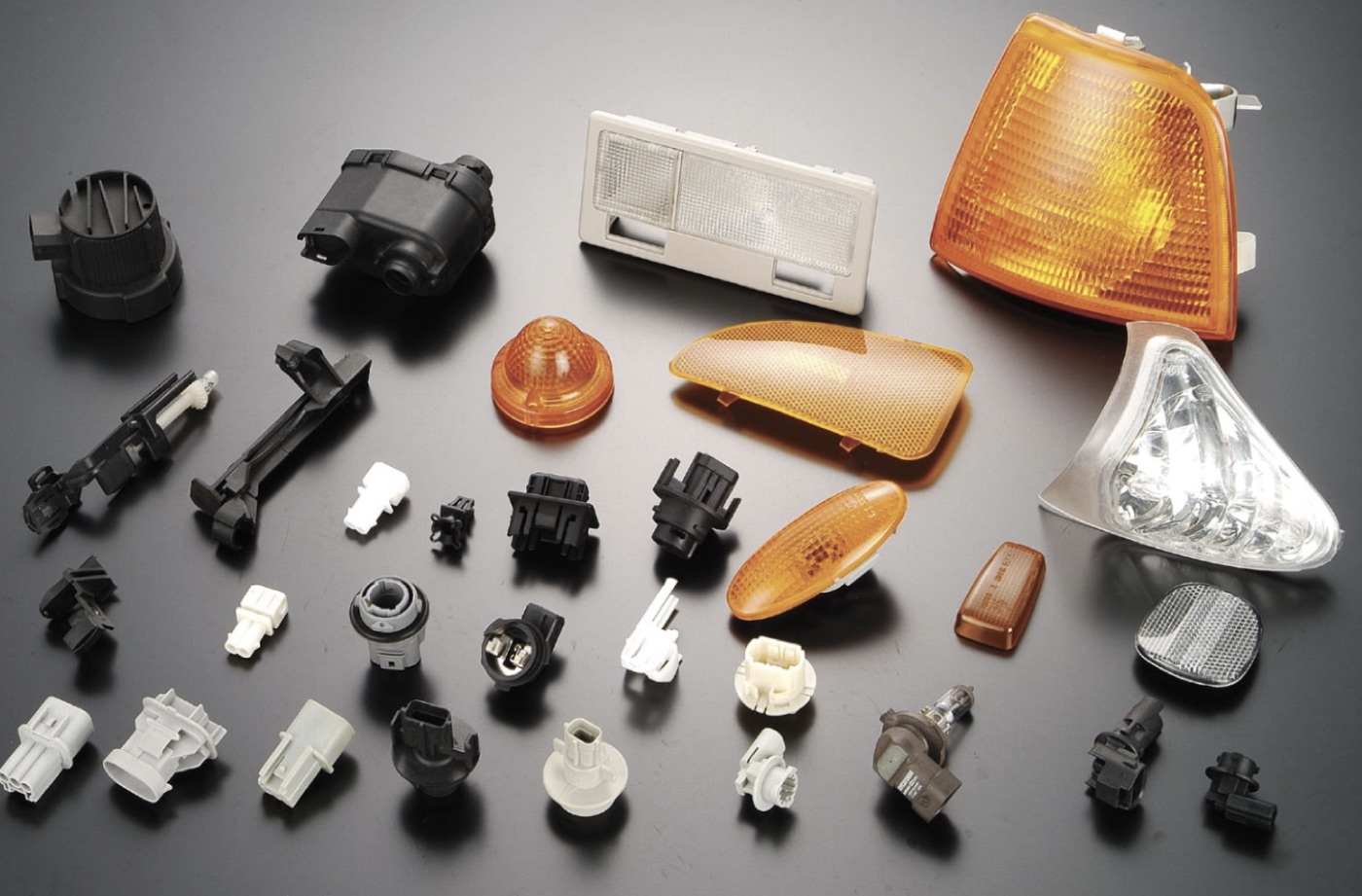
Lamp Mold RFQ Checklist: What a Drawing and Spec Must Show
Send geometry, material, surface classes, volume and approval standards together so lamp tool quotes are based on the real part.
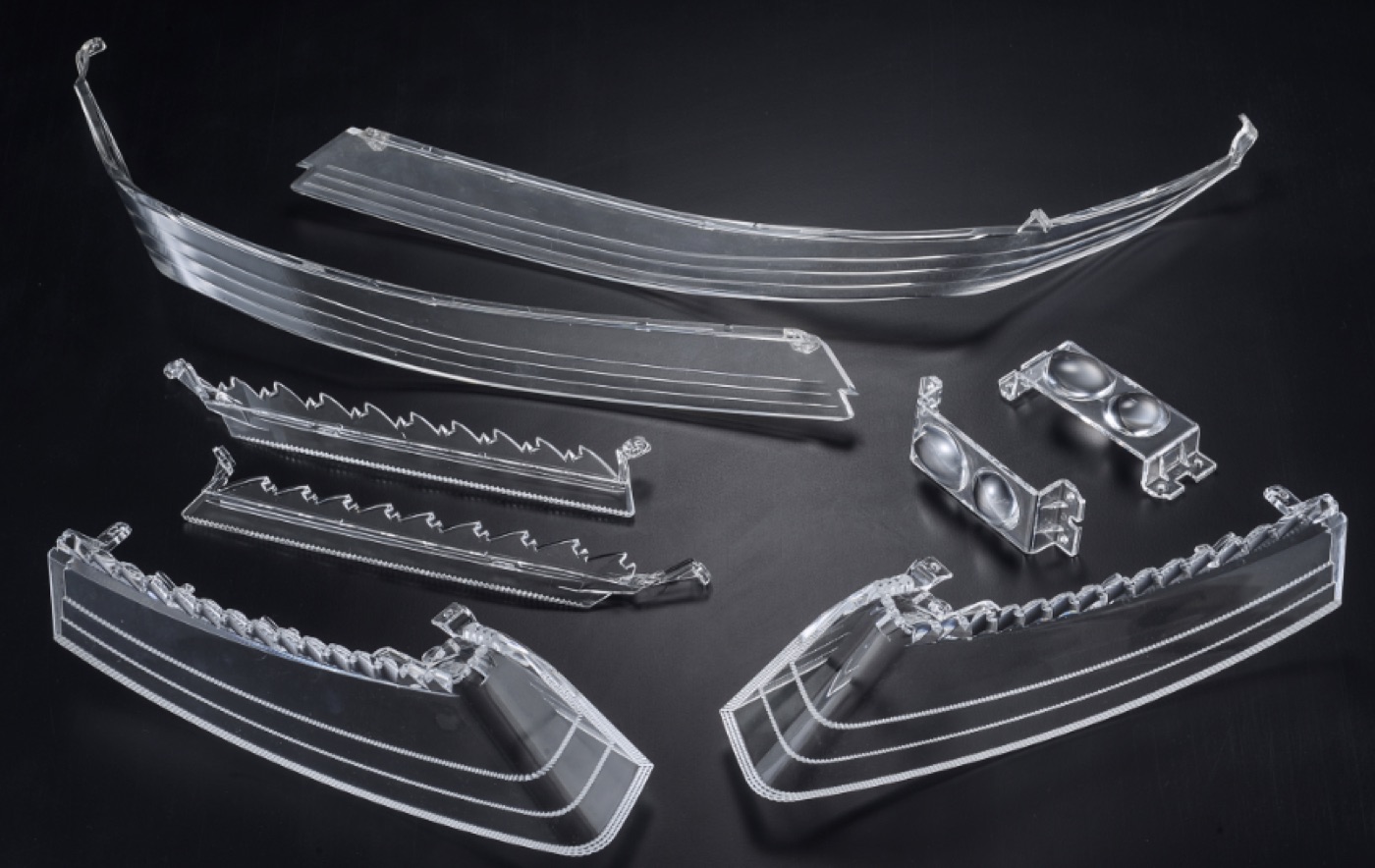
Light Guides and Light Pipes: Injection Molding Basics
Treat the molded body as the optic: keep light-carrying surfaces smooth and clean, feed thick sections properly and control stress.
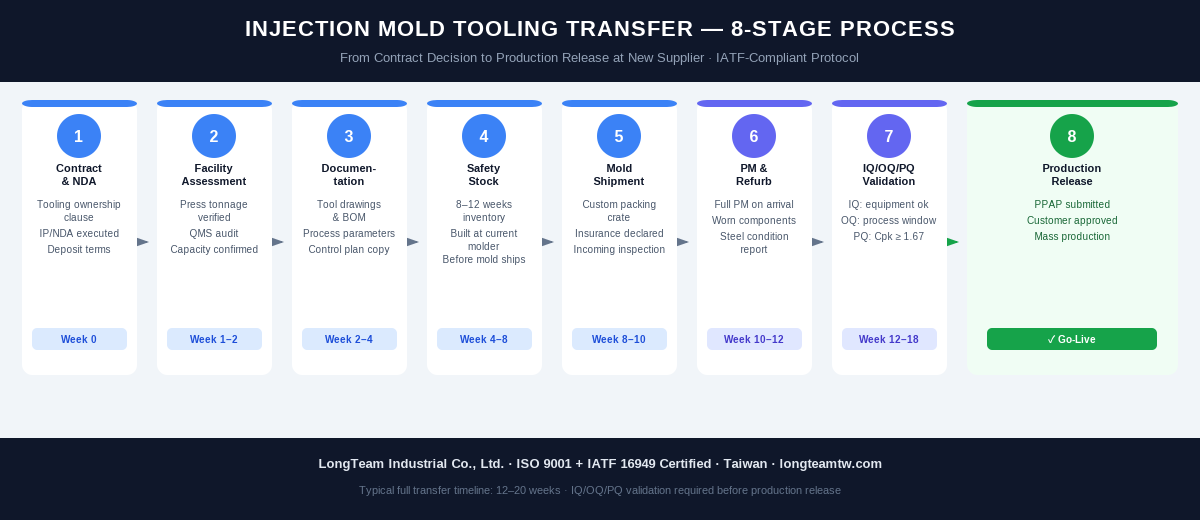
Aftermarket Lamp Tooling: From Sample to STEP to Mold
Treat sample-to-mold as five steps and spend the effort on capture and rebuild, where most of the risk sits.
PMMA Lens Injection Molding: A Process Guide for Thick-Wall Clear Parts
Mold PMMA lens and light-guide parts by controlling drying, staged packing, cooling, gate placement, and polish, and decide early whether the part also needs a second material.
Apply the guidance to your own part.
Send a drawing or describe the project. Our team will review the available files and clarify the quotation scope.